Solid Wood or Veneer? A 5-Year Cost Comparison for Singapore Bar Tables
A 120 cm veneer bar table may look expensive at SGD 680, while a 140 cm solid oak bar table may cost SGD 1,180. Over a short viewing period, the difference is easy to understand. Across 5 years, however, repair, refinishing, delivery and replacement can change the arithmetic. For homeowners furnishing HDB flats in Tampines, Bedok and Punggol, or considering a condo with tighter access and higher service charges, the purchase price is only one part of the ownership story.
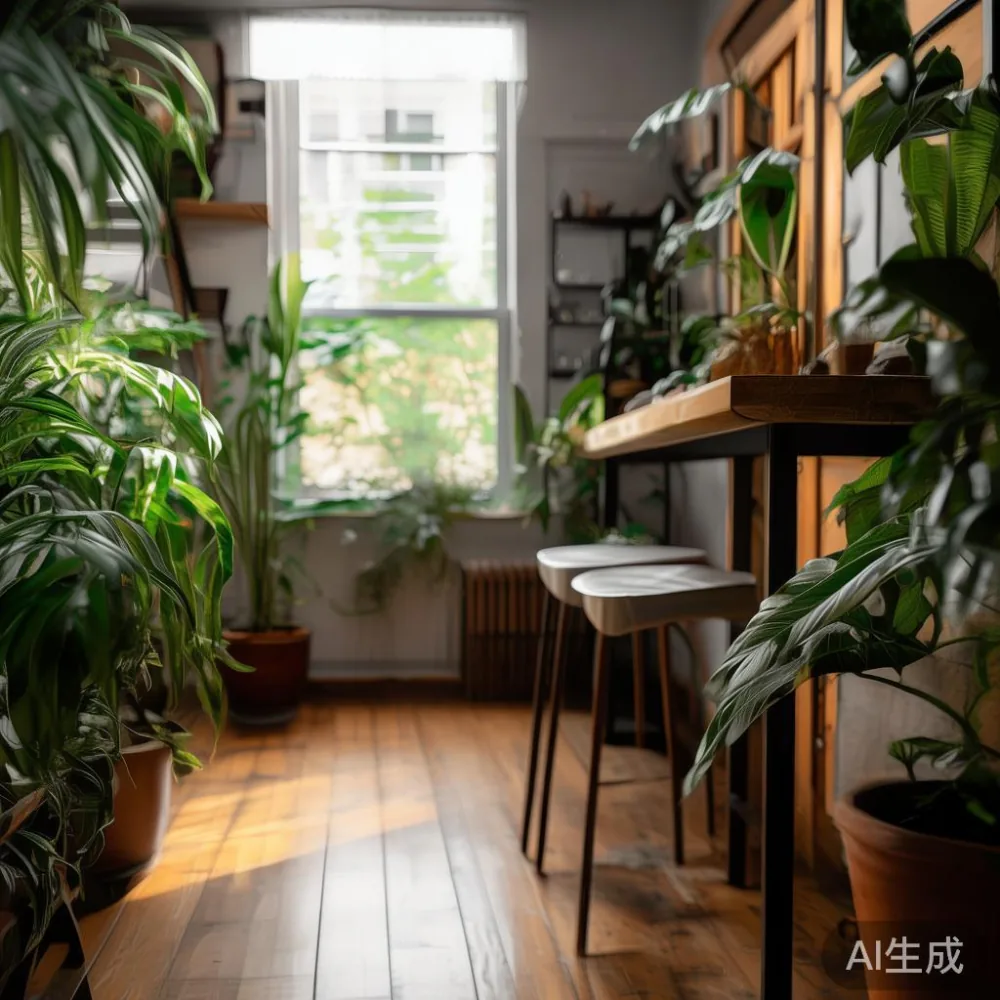
This comparison uses Singapore dollars, a 9% GST-inclusive pricing basis and one representative family scenario. The figures cover a home bar table measuring 120–140 cm wide, 70–75 cm deep and 105 cm high. They are planning estimates rather than quotations, so buyers should request written confirmation of dimensions, core material, finish and after-sales terms. MIDHILL, established in 2008 and exporting to more than 15 countries, can be one source for a project-specific quotation.
What Does a 5-Year Cost Comparison Actually Include?
The starting point is the invoice price. Our representative veneer bar table has an MDF or plywood core, a 0.6–1.0 mm walnut veneer and a clear protective finish. It weighs about 28 kg and costs SGD 680 including GST. The solid wood version uses kiln-dried oak, a 35–40 mm top and hardwood supports. It weighs roughly 42 kg and costs SGD 1,180 including GST. The initial solid wood premium is therefore SGD 500.
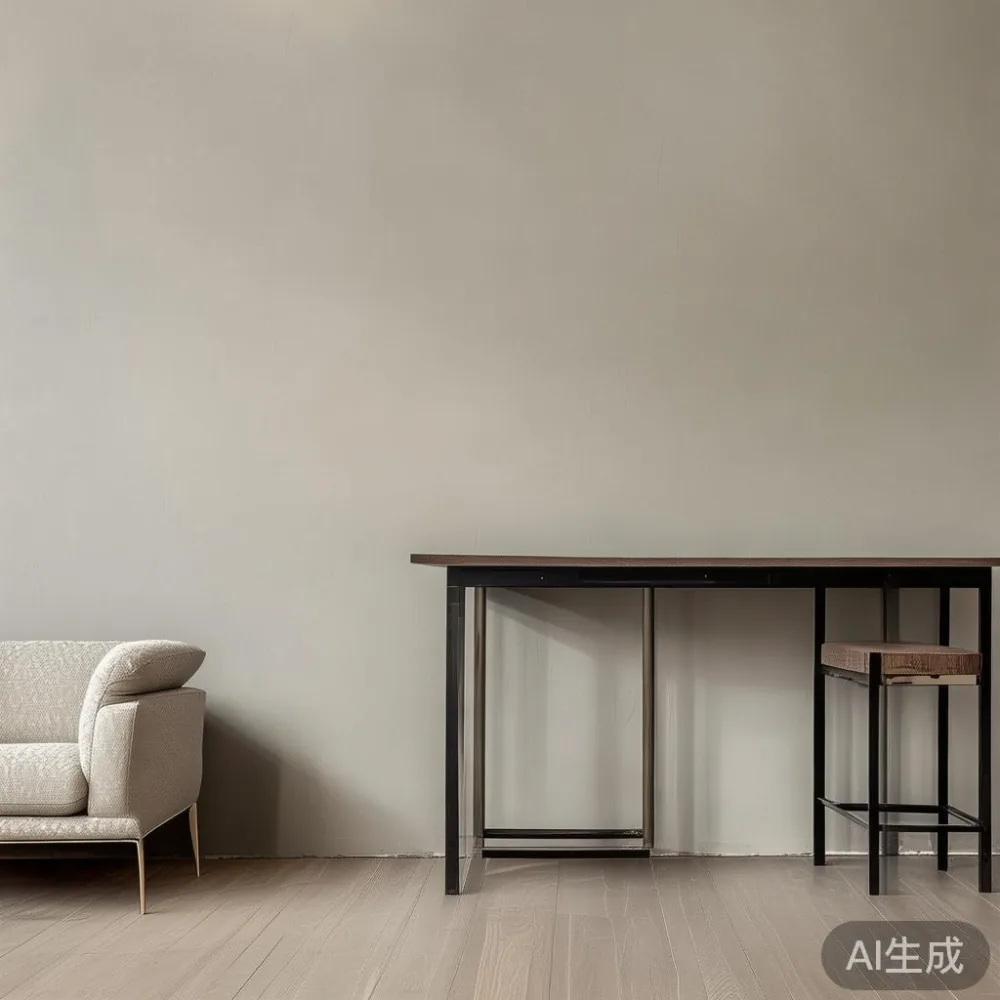
A realistic 5-year budget should include delivery, likely surface work and a reserve for component repair. Our base case assigns SGD 45 to ordinary Singapore delivery for the lighter veneer model and SGD 60 for the heavier solid wood model, including a second-person carry within the building. We allow SGD 120 for veneer repair or part replacement, SGD 60 for solid wood component repair and SGD 180 for two solid wood refinishing sessions at SGD 90 each, in years 2 and 5.
On that basis, the veneer bar table reaches SGD 845 over 5 years: SGD 680 for the table, SGD 45 for delivery and SGD 120 in repair provision. The solid wood bar table reaches SGD 1,480: SGD 1,180 for purchase, SGD 60 for delivery, SGD 180 for refinishing and SGD 60 in repair provision. The gross difference is SGD 635, or about SGD 10.58 per month across 60 months. It is not automatically a saving; it buys the capacity to repair the timber rather than replace a thin decorative layer.
How Much More Does a Solid Wood Bar Table Cost Over 5 Years?
The answer depends on whether the veneer table remains in service. If it survives all 5 years with no major failure, the gross outlay is SGD 845 against SGD 1,480 for solid wood. If a lifting service, water leak or repeated sun exposure causes the veneer table to fail in year 4, replacing it at the same SGD 680 price adds another SGD 680 and SGD 45 delivery fee. The veneer total then becomes SGD 1,570, which is SGD 90 more than the solid wood scenario.
That comparison changes if resale value is included. After 5 years, suppose the repaired veneer table can be sold for SGD 120 and the refinished solid oak table for SGD 500. Their net costs become SGD 725 and SGD 980 respectively, narrowing the gap to SGD 255. An owner who expects to move after 3 years may prefer the lower initial cost; an owner planning to keep the same bar table for 6, 8 or 10 years gains more protection from the repairable timber construction.
This model does not discount future money. Applying a 3% annual rate would reduce the present value of future refinishing and repair costs, but it would also complicate a comparison that is already affected by access and usage. For household budgeting, the simple nominal total is easier to verify against bank statements. Buyers should replace the illustrative repair allowance with their own realistic risks: a rented flat, a balcony and 2 children create a different profile from a quiet condo dining area used twice a week.
Why Veneer Can Lose Its Price Advantage
Veneer is thin. Depending on production quality, the decorative face may be only 0.6–1.0 mm thick. A dragged chair leg can scratch through that face and expose the MDF, plywood or particleboard below. Water can also lift edges, while heat and humidity can open joints. Because the damaged layer cannot be sanded back and refinished in the same way as solid timber, a serious defect may justify replacing the whole bar table.
Solid oak responds differently. Scratches can be abraded, the surface can be sealed again and a loose component can often be re-glued or replaced. These benefits are particularly relevant around a kitchen island, where a bar table receives more spills, hand contact and chair movement than a formal dining table. The greater weight also reduces casual dragging, although it makes the table less convenient for moving between a living room and balcony.
Quality control remains important. A low-cost solid wood product may use finger-jointed timber, thinner boards or unstable finishes, so “solid wood” alone is not a complete specification. Ask whether the top and legs are kiln-dried to approximately 8–12% moisture content for Singapore conditions, whether the construction is mortise-and-tenon or dowelled, and which components count as solid wood. A 10-year structural warranty can provide useful clarity, but the definition of “structural” should be recorded in the sales document.
Do HDB Lifts and Condo Corridors Change the Purchase Decision?
Yes, because a bar table has to reach its final position before its finish can be judged or protected. A standard HDB corridor may be only 90–120 cm wide, while the entrance door of many flats is about 80–90 cm. A common passenger lift might have an internal floor area around 110 cm by 140 cm, although older blocks and refurbished units vary. Buyers should measure the narrowest doorway, the turning radius at the staircase landing, the lift sill and the route from the car park to the unit.
In our examples, the veneer bar table is packed in a box measuring approximately 128 × 78 × 112 cm. Its carton has a space-diagonal length of about 187 cm, so it can often be tilted diagonally inside a suitable lift. The solid oak version may require a carton around 148 × 82 × 112 cm, with a diagonal near 201 cm. It may fit an open passenger lift at an angle, yet the fit should never be assumed. A condo service lift, loading bay and protected flooring route may be required.
For a unit above the 10th floor, request a lift booking at least 7 days before delivery. A local delivery window of 3–7 days is normal after the table is ready, while production may take another 15–25 days for a made-to-order finish. Add protection such as 2 mm felt pads, corner guards and a floor runner. A quoted SGD 60 carry-in fee is sensible for a 42 kg solid wood table, but a staircase carry or hoist should be agreed separately rather than discovered on the delivery day.
My Recent Visit to a Tampines HDB Flat
Last month I visited a renovated HDB flat in Tampines to examine a 140 cm bar table installed beside the kitchen counter. The family had measured a 90 cm corridor and a lift with a 140 cm internal depth, but not the 80 cm lift door. On the delivery morning, the 148 cm packed top could not turn through the doorway without touching the lift frame. The crew used a 3-metre protective board, moved 2 packing blankets and completed the transfer in 25 minutes without damaging the common corridor.
The resident had expected a short task and had not booked the exclusive use of the lift. That added about 40 minutes of waiting. The experience confirmed that the dimensions of the apartment affect cost just as much as the material. A wider solid wood bar table may require more delivery time, a second porter or a hoisted service lift, while a smaller veneer model can be carried by one person in roughly 15 minutes.
The same visit also showed the value of checking the wall before installation. The table was fixed against a tiled kitchen wall, with only 4 cm of clearance behind it. The solid wood top expanded slightly under air-conditioning and kitchen humidity, so the fitter used 2 concealed spacers rather than forcing it against the tile. In a Punggol or Bedok flat, the final 5 cm around a bar table can determine whether stools tuck in fully or protrude into a circulation route.
Which Material Is Better for a Light-Luxury Home?
“Light luxury” works best when materials, proportions and maintenance agree. A solid oak bar table in a pale natural finish supports French light luxury styling with linen curtains, cream plaster and restrained brass details. Post-modern light luxury can pair the same table with curved seating and one sculptural object, provided the timber remains visually quiet rather than heavily distressed. American light luxury often favours deeper walnut tones, which can be achieved through stain on solid oak or a carefully matched veneer.
The material choice around the bar table also affects the visual hierarchy. For a living area with a solid wood sofa, an American sofa vs French provincial sofa comparison is less important than matching the timber scale: broad, strongly grained oak suits one room, while fine oak veneer suits a compact one. A wardrobe, bed frame or nightstand in related wood can make the bar table feel intentional, although different veneer batches may not align perfectly across separate pieces.
For sale Nordic furniture enquiries, I would usually ask about the existing floor finish and room dimensions before suggesting a pale bar table. A 120 × 70 cm model fits a smaller dining nook, while a 140 × 75 cm model needs at least 1.4 m of clear wall length. The phrase Coastal for dining room can describe a pale oak bar table beside blue-grey walls, yet coastal interiors still need one harder material for contrast. A marble table may provide that contrast, but the marble surface should be treated as a separate cleaning and heat decision.
Other style comparisons should not distract from the bar table itself. A European bed vs Mid-century modern bed can inform the bedroom palette, and a Japanese bed vs Italian light luxury bed can introduce different levels of detail. At the table, a Mid-century modern dining table may have a narrower pedestal base that improves legroom, while a solid wood bar table with 4 corner legs gives a more architectural appearance. In every case, the practical measurements remain 105 cm table height, approximately 25–30 cm for a seated person’s knee space and at least 60 cm behind a seated diner.
What Does Finishing, Refinishing and Warranty Mean?
Finish is another material variable. A water-based matte coating in the home bar area may be easier to maintain than a high-gloss film, while oiled timber may need more frequent attention. Specify the exact finish, the number of coats, the expected maintenance interval and whether a full refinishing service is included. “Lifetime refinishing” should distinguish between a service benefit and unlimited free labour; consumables, transport and severe water damage may require a written quotation.
MIDHILL provides a 10-year structural warranty and lifetime refinishing for qualifying products, which can reduce uncertainty when a bar table is used daily. Its 14-day return policy gives buyers a defined period to check colour, fit and condition, but furniture returns should be handled before a non-returnable custom finish is applied. Photograph the packed table, lift protection and installation route on arrival. If a carton is punctured, record it before unpacking and photograph the timber beneath the packaging.
For a solid wood sofa, bed frame, dining table, wardrobe, nightstand or marble table in the same project, buyers can request one finish schedule across different pieces. That reduces colour variation and simplifies future care. A common maintenance plan could include wiping the bar table weekly with a damp cloth, avoiding silicone-based sprays, checking joints every 6 months and inspecting the finish every 12 months.
How Should a Singapore Buyer Set a 5-Year Budget?
Ask for the table price, delivery, installation, stair carry, lift booking, floor protection and GST as separate lines. For a budget model near SGD 680, a buyer might reserve SGD 800–900 over 5 years if the veneer table remains in use. For a solid oak bar table near SGD 1,180, a reserve of SGD 1,450–1,600 allows for one refinishing session and modest repairs. These ranges are more useful than comparing two showroom tickets because the delivery environment can add SGD 20–150 to a local installation.
The decision threshold is clear. If a replacement after 4 years is plausible, the veneer table’s gross 5-year cost can reach SGD 1,570, while a maintained solid wood table can remain around SGD 1,480. If replacement is unlikely and the bar table will be sold after 3 years, the lower purchase price may be more practical. Choose solid wood when the table will stay for at least 5 years, serve daily meals or withstand a move within the home. Choose veneer when space, weight and initial budget constrain the project and the finish can be