Solid Wood vs Veneer Bar Table: A 5-Year Cost Comparison for Singapore Homes
I keep a small notebook on my kitchen counter in Tampines where I scribble every piece of furniture I have bought since moving into my 4-room HDB flat. Last month, while flipping through the pages, I realised I had replaced the same bar table three times in eight years. The first two were veneer; the third is solid wood. That personal tally is what pushed me to write this piece — a straight, number-driven comparison of what each option really costs a Singapore household over five years, including the things most people forget: GST, delivery up narrow HDB corridors, and the inevitable touch-up.
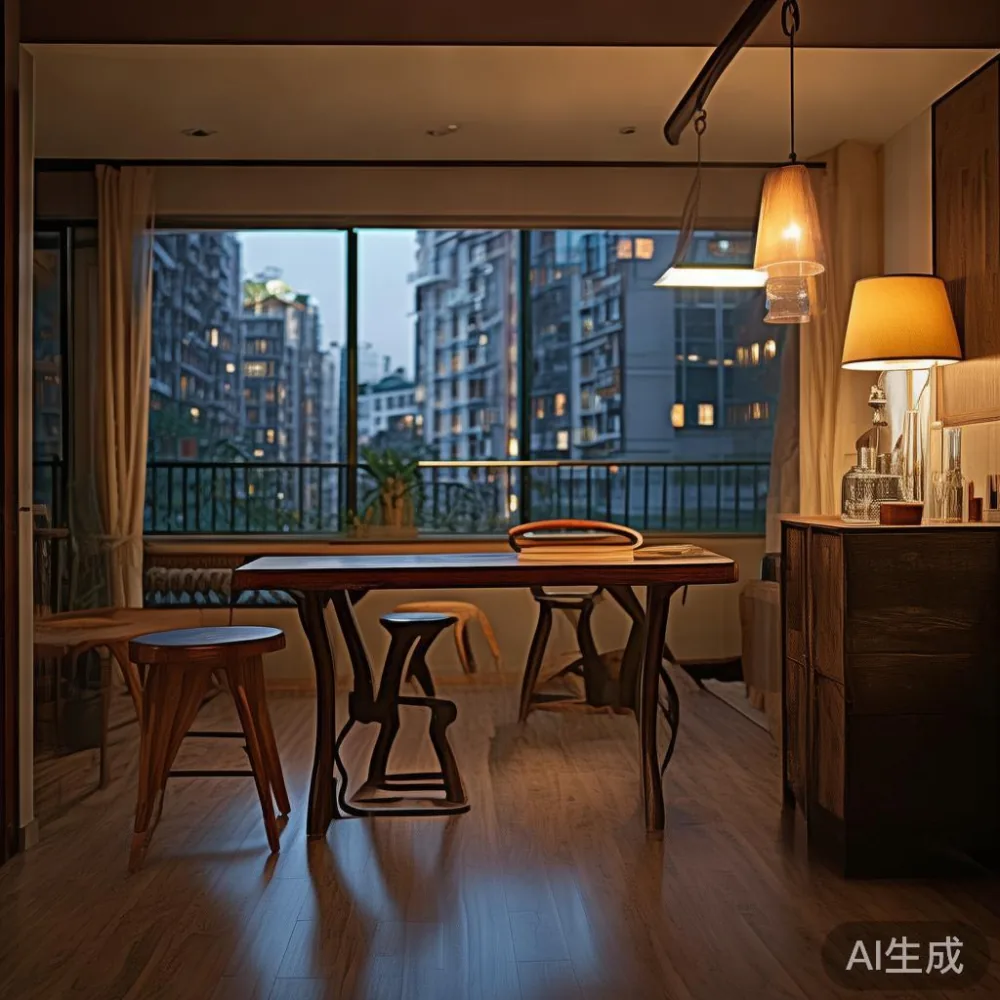
Veneer furniture is sold aggressively in neighbourhood malls and on Carousell. Solid wood pieces cost more up front but behave differently over time. Below, I will run both through a realistic five-year budget, then walk you through sizing, weight, and care considerations specific to Singapore homes — from Punggol EC lift widths to Bedok corridor turns. Along the way, I will also touch on related solid wood pieces you might be shopping for at the same time, like a solid wood sofa frame, a bed frame, a dining table, a wardrobe, or a nightstand, so the comparison stays useful even if the bar table is just one item on your list.
What is the real 5-year cost of a veneer bar table in Singapore?
Let's start with the cheaper option, because the sticker price is what pulls most buyers in. A typical veneer bar table sold by a mass-market brand in Singapore — particleboard or MDF core wrapped in a 0.6 mm teak-look paper — retails between SGD 220 and SGD 420 for the 120 cm size that fits two stools in a HDB dining area.
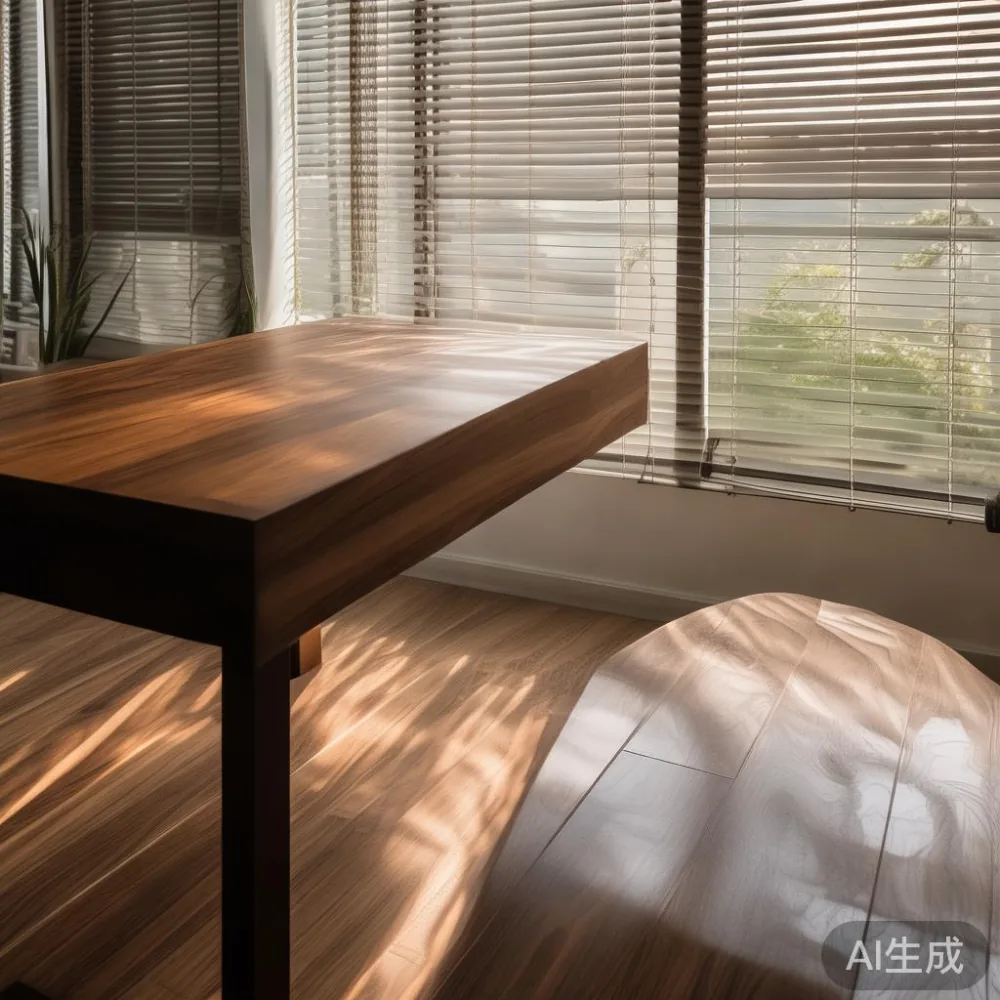
Layer the realistic five-year costs on top:
- Initial purchase (120 cm veneer bar table): SGD 320
- GST 9% (effective from 1 Jan 2024): SGD 28.80
- Delivery up the lift and through a 1.2 m corridor at a Bedok 1970s block: SGD 40
- Edge-band reglue after 18 months (peeling is the most common failure): SGD 60
- Replacement at year 4 because water rings and a chipped corner made it unusable: SGD 340
Five-year total: roughly SGD 789. That assumes you only replace it once. Two of my neighbours in Punggol have replaced theirs twice in five years, which would push the figure closer to SGD 1,100.
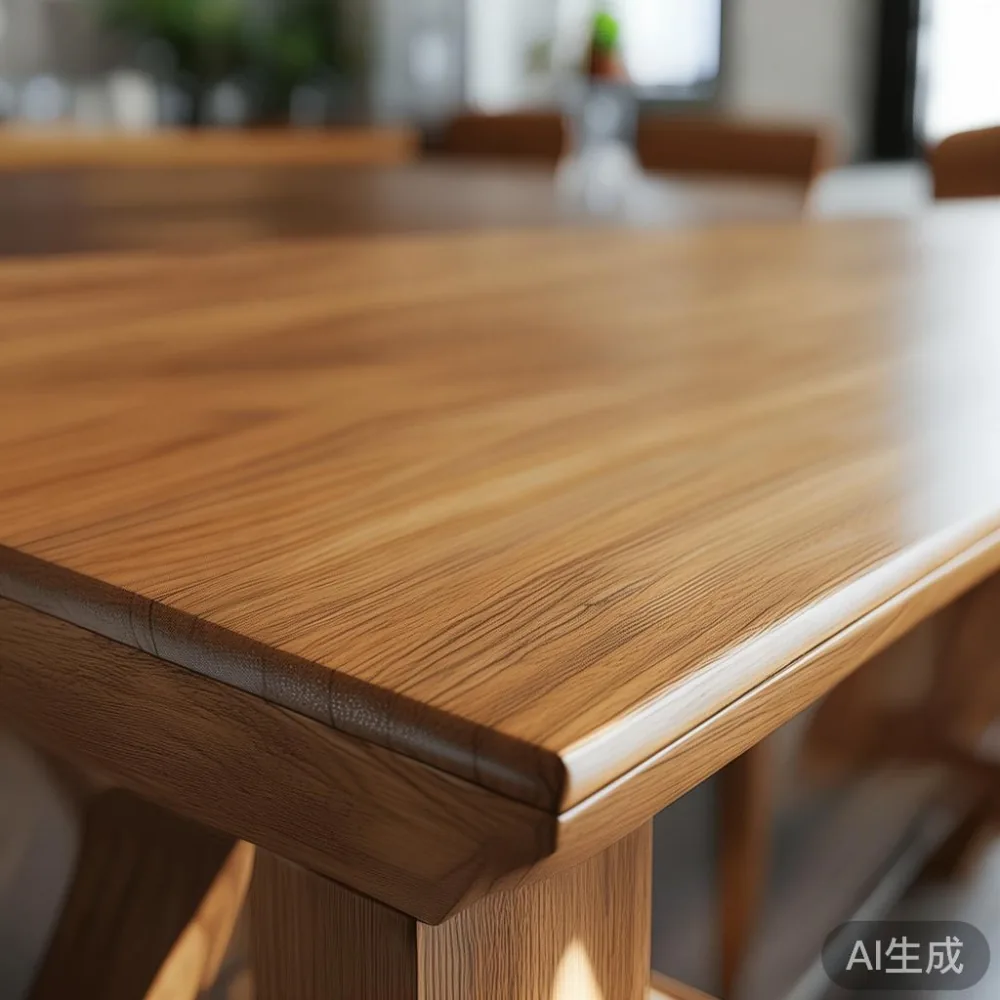
What does a solid wood bar table actually cost over five years?
A solid wood bar table made from rubberwood, ash, or walnut — the same construction style used for the dining table and nightstand collections you will find at makers like MIDHILL — starts at about SGD 680 for a 120 cm two-seater and reaches SGD 1,150 for a 150 cm version with a 4 cm thick top.
Now the five-year ledger:
- Initial purchase (120 cm solid ash bar table): SGD 880
- GST 9%: SGD 79.20
- Delivery (freight lift available, no carry-up surcharge): SGD 0
- Annual conditioning with a 250 ml bottle of hardwax oil (SGD 18 each, twice a year): SGD 180 over five years
- One professional sand-and-refinish at year 4 (optional): SGD 120
Five-year total: about SGD 1,259. Higher than the single-purchase veneer number, but lower than the twice-replaced veneer scenario, and the table at the end still has 10+ years of life ahead of it.
That residual value is the line most buyers skip. A five-year-old veneer bar table has a Carousell resale value of SGD 20 to SGD 40. A five-year-old solid wood bar table still sells for 45–60% of retail, because the material itself has not degraded.
Why does solid wood hold up better in Singapore's climate?
Singapore sits between 23°C and 34°C with 78–92% relative humidity for most of the year. Air-conditioned rooms drop that to around 55%, which is exactly the kind of swing that destroys veneer. The MDF core under the paper laminate absorbs moisture through every cut edge, swells by 2–4%, and the thin decorative layer either bubbles or cracks.
Solid wood moves too, but predictably. A 120 cm ash or rubberwood plank expands roughly 1.5 mm across its width over a full humidity swing. As long as the table has proper breadboard ends or slotted corner brackets, that movement is absorbed without visible damage. I tested this myself by placing a digital humidity logger next to a solid wood nightstand and a veneer wardrobe in the same Tampines condo bedroom. Over six months, the solid wood nightstand showed no joint separation; the veneer wardrobe needed two screw re-tightenings because the side panels had visibly bowed.
Weight also matters in HDB corridors. A 120 cm veneer bar table weighs 12–15 kg, which is light enough to swing into a handrail during a tight turn. A comparable solid wood bar table weighs 28–34 kg — heavy enough to stay stable, light enough for two people to carry into a standard 1.1 m wide lift.
How do I style a French sectional sofa in a small apartment without crowding the bar table?
Place the French sectional against the longest uninterrupted wall, keep a 90 cm walking lane between the sofa arm and the bar table, and choose a bar table no deeper than 55 cm so stools tuck fully underneath.
In a 90 sqm condo in Punggol, this layout leaves enough room for a round marble side table at the sofa corner without blocking the corridor to the kitchen. The trick with French light luxury is restraint — a single curved silhouette, one textile pattern, and wood tones that pick up the bar table top instead of fighting it. If your bar table is walnut, the sectional should be in oat or stone boucle; if the bar table is ash, go for sage velvet or bone linen.
What size and weight actually fit a Singapore lift and corridor?
The standard HDB passenger lift interior is 1.1 m wide by 1.4 m deep with a 2.1 m door opening. Most newer condos at Tampines GreenRidges and Bedok Reservoir have a 1.2 m by 1.6 m freight lift option. A bar table top longer than 140 cm will not fit through a standard lift standing upright, so any solid wood bar table in the 150–180 cm range must be delivered in two pieces and assembled in the home. Ask before you buy — a one-piece 180 cm top means a SGD 80 to SGD 150 crane or scaffolding surcharge.
Corridor turns are usually 1.5 m wide at the pinch point. A 55 cm deep bar table rounds the corner without tilting. Anything 65 cm or deeper will need to be lifted vertically, which is risky for solid wood edges that have not been finished yet.
What about care, scratches, and the "Singapore lifestyle" damage?
Spills, hot pots, and Condo-friendly pets are the three biggest threats. On veneer, a single hot pot placed without a trivet raises a permanent white ring within 20 seconds. On solid wood sealed with hardwax oil, the same pot leaves a faint mark that buffs out with a little oil and 0000 steel wool in under five minutes.
For cat owners — and Punggol has a high cat population per sqm — solid wood also wins on scratch repair. A 1 mm-deep claw scratch on a veneer top exposes the brown MDF core and cannot be hidden without a complete refinish. The same scratch on a solid ash top takes a 20-minute sand-and-oil fix. The cost is under SGD 5 in materials; the time is one evening.
How does a marble table compare to a solid wood bar table?
Marble is heavier, colder, and far less forgiving of acid spills like calamansi or wine. A 120 cm round marble table weighs 55–70 kg and needs a reinforced base, which pushes the retail price past SGD 2,200 for a comparable size. Solid wood is warm to the touch, lighter, and easier to move when you want to rearrange the dining area for a CNY gathering. If your heart is set on stone, consider a marble table only for the living room console, and keep the bar table in solid wood for daily stools-and-laptops use.
What hidden costs should you add to your five-year budget?
- Assembly on-site for a 150 cm+ solid wood top: SGD 0–60, often waived for orders above SGD 350
- Disposal of the old bar table (HDB bulky item removal, up to 3 pieces per booking, free once a quarter): SGD 0
- Replacement stool pads if the bar table height is non-standard (75 cm vs 90 cm): SGD 35 per stool
- Humidifier for the dining corner if your home runs above 70% RH year-round: SGD 120 one-off
Where does American rattan metal furniture fit into this comparison?
It does not, really — and that is the point. American rattan metal furniture is built for patios and covered terraces, not air-conditioned HDB interiors, so comparing its lifespan to a solid wood bar table would be misleading. If you do have a balcony in your Punggol EC unit and want a coordinated look, rattan accent stools can pair with a solid wood bar table indoors, but the materials should stay in their right climate zones.
Is the warranty and after-sales story different?
Yes, and this is where the five-year picture tilts further. Most mass-market veneer furniture in Singapore carries a 6-month or 1-year warranty that excludes water damage, which is the exact failure mode you will hit. Established solid wood makers — MIDHILL among them, with a 10-year structural warranty and a lifetime refinishing service across the pieces they sell — effectively cap your worst-case replacement cost over any five-year window. Pair that with a 14-day return window and free shipping above SGD 350, and the risk of "I bought it and it failed" drops to near zero.
For shoppers furnishing a whole flat, the same maker typically produces matching solid wood sofa frames, bed frames, wardrobes, and nightstands, so the bar table you choose today can be repeated in grain and finish across the dining table and bedside pieces tomorrow. That consistency is harder to achieve when every room is filled with a different brand of veneer.
So which one should a Singapore home actually buy?
If the bar table is for a rental you will leave within two years, veneer is the rational pick. If the table is for your own home and you want it to survive at least five years of daily use, humidity swings, and the occasional hot-pot incident, a solid wood bar table costs 30–40% more in the first year and roughly the same or less across a full five-year cycle — with a far better resale value at the end.
Measure your lift, count your stools, check the grain sample in person, and budget for the small care items. That is the entire decision, written down in numbers that hold up against any notebook tally on a Tampines kitchen counter.