How to Care for a Lacquered Bar Table in Singapore’s Tropical Climate
A lacquered bar table can look crisp and restrained in a Singapore home, but the country’s heat, humidity, UV exposure, and salty air can punish a surface that is treated carelessly. Singapore sits near the equator, with year-round temperatures commonly around 24–34°C and relative humidity often between 70–90%. A bar table near a HDB kitchen window, a condo balcony, or the dining area may also collect condensation, cooking vapour, fingerprints, and fine grit.
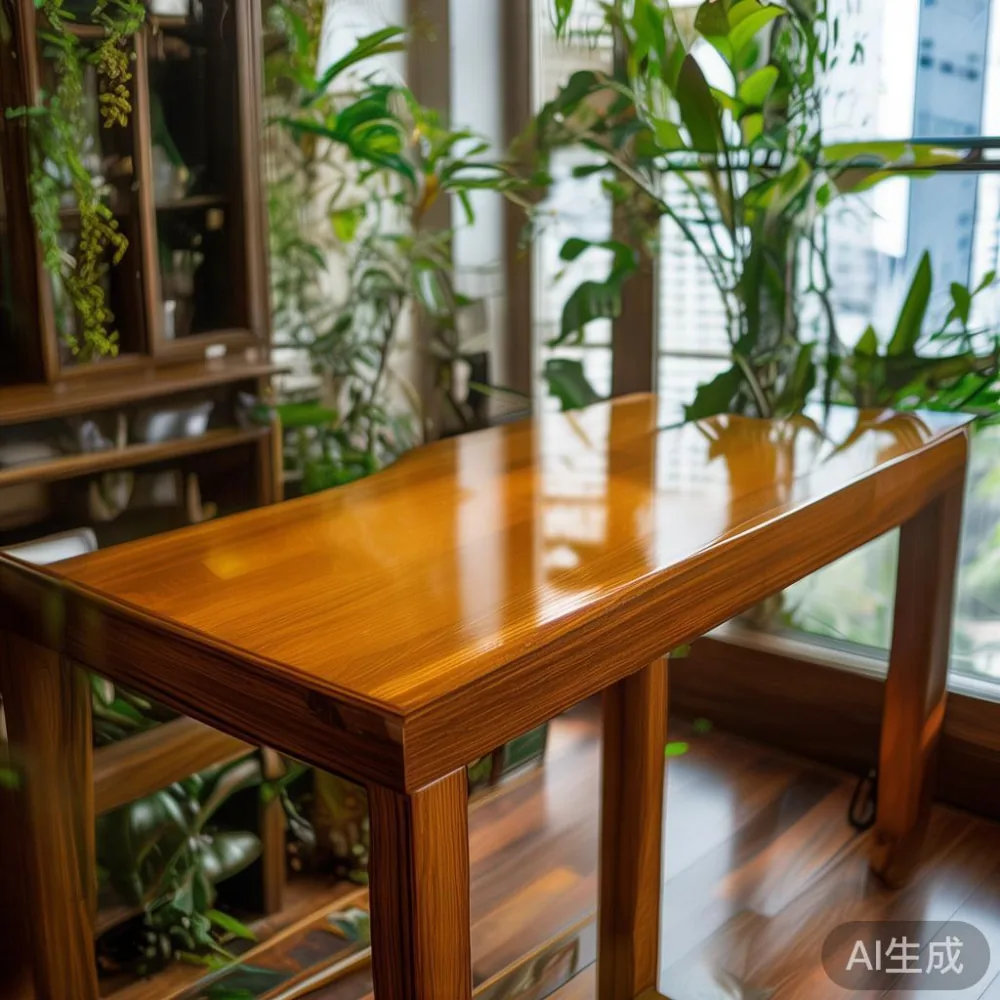
MIDHILL makes lacquered solid wood furniture for customers in more than 15 countries, supported by a 10-year structural warranty and lifetime refinishing service. Its bar table designs combine the scale of a dining table with the lighter footprint needed for an apartment, while the lacquer protects visible wood grain without hiding its character. For shoppers comparing collections, phrases such as top 10 Japanese furniture, top 10 Modern furniture, and french sofas for sale describe broader design preferences rather than a care protocol.
This guide focuses on one practical subject: preserving a lacquered bar table in Tampines, Bedok, Punggol, and other humid Singapore interiors. It also explains how to judge a finish, plan delivery through a lift and corridor, and maintain related pieces such as a solid wood sofa, bed frame, dining table, wardrobe, nightstand, or marble table.
What makes lacquer different from bare or oiled wood?
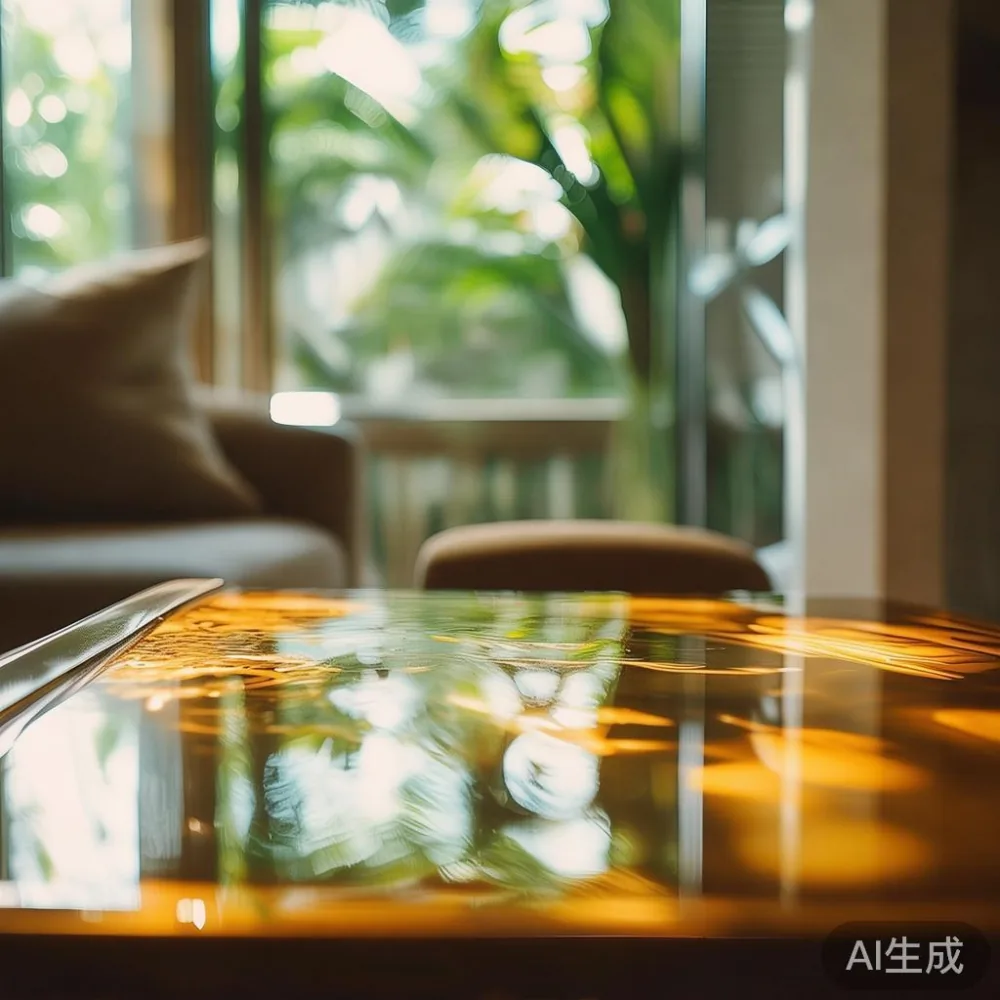
Lacquer is a cured surface coating. Unlike a simple wax or oil finish, it creates a wipeable layer that can handle frequent contact, provided the coating has not been scratched, softened, or chemically attacked. Its appearance may range from matte to high gloss, and its sheen can make dust, water marks, and fingerprints more visible.
Two details matter more than the word “lacquer” on a product page. Ask for the coating type, expected sheen, and cleaning instructions in writing. Some lacquer systems tolerate a damp cloth; others require a neutral pH cleaner. A dealer who cannot provide those instructions should still be able to explain the finish, maintenance schedule, and repair process.
Wood movement remains part of the furniture’s behaviour. In a room that shifts between 22°C at night and 31°C during the afternoon, a solid wood table can expand and contract by roughly 1–3 mm across a 100 cm width. Good joinery and a stable finish allow for that movement. Trying to seal a table against every climate change is less useful than controlling moisture around it.
Light-luxury design depends on material discipline. French light luxury often pairs pale woods with clean contours, American light luxury favours pale upholstery and calm proportions, and post-modern light luxury may mix lacquer, stone, and warm timber. The bar table should coordinate with these rooms rather than become a separate showcase piece.
How humid should a Singapore home be for a lacquered bar table?
Ideally, keep the immediate area between 40–65% relative humidity where possible, and never let the tabletop remain visibly wet. That range may be difficult in Singapore, so airflow, separation from walls, and careful spill control become important. A bar table should stand at least 5–10 cm from a wall or tiled splashback if space allows, allowing air to circulate behind it.
Do not install an air-conditioner directly above the surface if warm air repeatedly lands on it. The more practical arrangement is to use the dining table or bar table away from the cooking zone, with the nearest hotpot at least 90 cm away. Steam is a persistent problem because it carries fine oil and moisture into tiny surface marks. In a compact HDB kitchen, a bar table may therefore work better beside a living area or against a dry dining wall than immediately beside the stove.
For a condo near the sea, open windows can introduce humidity and airborne salt residue. Wipe the table after use, but avoid leaving a damp cloth on the lacquer for more than 2 minutes. A soft microfibre cloth can lift residue without abrading the coating. If the home lacks a dehumidifier, moving the table 20–30 cm away from glazing and using the air conditioner in the adjacent room during humid periods can reduce settling moisture.
One real test made the difference clear. Last month, I visited a colleague’s Bedok condo and left two 10 cm coasters on a lacquered bar table: one had been chilled for 4 hours, while the other had been warmed to 45°C. Condensation formed under the cold coaster within 20 minutes, yet a dry microfibre cloth removed the moisture and left no visible ring. The warm coaster caused no mark. The lesson was not that cold objects are always harmful, but that condensation should not be left to sit.
How should I clean a lacquered bar table daily?
Use a two-stage routine: remove loose matter first, then clean the surface with a suitable damp cloth. For daily care, this takes about 5 minutes for a 120 cm table. Vacuum or brush the underside and edges with a soft brush, then wipe the top with a clean microfibre cloth. Dry it immediately with a second cloth.
For marks, dilute a small amount of mild dish soap in approximately 500 ml of lukewarm water. The cloth should be damp, not dripping. Test it on a 5 cm area hidden beneath a coaster for 24 hours, especially if the finish is glossy and the supplier has issued specific instructions. Wipe in the direction of the grain, rinse with a second damp cloth, and dry.
Do not use vinegar, lemon juice, ammonia, bleach, abrasive powder, or “solvent” cleaner. Avoid alcohol unless the finish supplier explicitly approves it. Even on a lacquered surface, frequent use of an aggressive cleaner can dull the sheen over 6–12 months. Cigarette ash, nail polish, and paint need prompt attention because they can penetrate or stain rapidly.
Clean spills within 1 minute where possible. Blot rather than scrub, lift the liquid, and dry the whole area. A ring cup is not proof that the lacquer has failed; it may simply mean the drink sat for 20 minutes or the cloth deposited dirty residue. Buffing with a clean cloth for 30 seconds often removes a faint mark. If it remains, pause and inspect it under daylight rather than escalating to a harsher chemical.
Coasters and placemats are useful, but they should be flat, clean, and free of rough edges. Felt-backed coasters reduce scratches around glassware. Avoid rolling objects across the table, since a gritty ring can scratch a 1 m length in a single movement.
Can sunlight, heat, and cooking damage the lacquer?
Yes. UV light can fade both the lacquer and the underlying wood tone, while high heat can soften some coatings. Singapore’s noon sun can deliver more than 700 W/m² on a horizontal surface, so a bar table beside a west-facing window may need curtains during the brightest hours. A breathable curtain that reduces glare while allowing airflow is preferable to sealing the table in a dark corner.
Keep the surface at least 30 cm from a heat source and never place a hot pan directly on it. A cup of coffee at 60°C can leave a persistent ring if left for 30–60 minutes. Warmth also matters during delivery: allow the packaged bar table to acclimatise in its carton for 12–24 hours before opening it in an air-conditioned room. This helps the wood and finish adjust more gradually.
Balconies require extra caution. A bar table on a sheltered balcony in Punggol or Tampines may be exposed to rain, wind-driven grit, and direct sun. Check the product’s outdoor-use rating before placing it there. If no rating is available, treat the bar table as an indoor piece and bring it inside when the forecast indicates rain or when relative humidity exceeds 90% for several hours.
Outdoor furniture is different from a lacquered indoor bar table. A customer searching for Rustic for dining room ideas may find solid timber and textured finishes, but rustic styling does not change the cleaning chemistry. Conversely, a customer reading about Rustic for guest room should also check humidity near an ensuite and keep textiles dry.
What should I do if the lacquer gets scratched, stained, or cloudy?
Minor scratches can often be treated without replacing the furniture. Start with the mildest measure: wipe the area with a clean microfibre cloth and inspect it in indirect daylight. Next, use a finish-approved polishing product with a soft cloth, applying no more than a 5 cm circle. Work gently for 30–60 seconds, then remove residue. The goal is to level the surface, not grind through the coating into bare wood.
White haze may come from heat, mineral residue, or an incompatible cleaner. A damp cloth and mild soap may resolve it. If the haze remains, use a product specifically approved for that lacquer type. Never test an automotive compound, metal polish, or wax on a high-gloss bar table. Those products may produce a temporary shine followed by uneven gloss.
For a deeper gouge, photograph it in natural light and contact the manufacturer. MIDHILL’s lifetime refinishing policy can make this a managed process rather than a guessing exercise, although the customer should confirm the scope of refinishing for lacquered surfaces before purchase. If the damage exposes wood or creates a moisture trap, stop using that area heavily until it is assessed.
Marble table users face a related but different problem. Marble is less sensitive to water rings but reacts to acids, including vinegar and citrus. A lacquered solid wood bar table and a marble table should not share an acidic cleaner simply because both are “stone-effect” surfaces in a showroom.
How can I move and deliver a bar table through an HDB flat or condo?
Measure before ordering. A common HDB lift interior may be around 100–140 cm deep and 90–110 cm wide, while some condo service lifts are larger. Add the table’s diagonal, packaging thickness, trolley width, and turning space. A bar table that fits a room can still fail at the lift if its legs are not removable.
For example, a 120 × 60 cm bar table has a diagonal of about 134 cm. If its packaged depth is 145 cm, it will not pass through a 140 cm lift opening without tilting that the building management permits. A 60 × 45 cm boxed set of solid wood stools also needs to fit without blocking the fire door.
Check corridor widths from the lift lobby to the unit. Aim for at least 90 cm of clear passage where possible, with no sharp turns below 100 cm. If a condo requires a loading bay booking or a mover’s lift, arrange it at least 3 days ahead. MIDHILL’s free shipping threshold of US$350 simplifies cross-border purchasing, but customers in Singapore should still request a landed SGD quotation so GST, delivery, and any building charges are clear.
Ask whether the table arrives assembled. A bar table with a detachable 20 cm pedestal may be easier to carry than a fixed two-leg frame. Use moving blankets at least 5 mm thick and secure the top with straps that do not press into the finish. Do not drag the table on a corridor floor; a folded cloth under each leg can protect the joints and reduce noise.
At home, keep the bar table at least 60 cm from a bed, because people may use the edge as an improvised shelf. In compact layouts, a 100–120 cm table offers serving space for 2–4 stools without occupying the footprint of a 180 cm dining table.
How should a lacquered bar table fit with other MIDHILL furniture?
A coordinated room needs consistent scale, not identical materials. A solid wood sofa with a low 80–90 cm back can sit beside a bar table with a 105–110 cm counter height. Keep the sofa’s front edge at least 60–75 cm from the table so circulation remains comfortable. In a dining zone, a dining table generally requires more elbow room, so a bar table is useful as a supplementary surface in an open-plan living area.
Finish selection affects the visual effect. A pale lacquer can reflect 10–20% more light than a very dark finish, which helps in HDB interiors with limited windows. A satin surface may disguise small marks better than a mirror-gloss surface. Match the table to a wardrobe or nightstand through wood tone and edge detail, but use different textiles for contrast.
For bedroom searches, how to style Japandi sofa in bedroom is better answered with low visual clutter and 60–80 cm circulation gaps than with an oversized seating piece. A bar table could become a compact display surface beside a daybed, but it should not crowd the wardrobe doors. If the bedroom requires a dressing area, confirm that the wardrobe’s 60 cm door-opening zone is not obstructed by a stool.
French light luxury, American light luxury, and post-modern light luxury can all include a lacquered bar table. The styling cues are proportion, spacing, material quality, and lighting. For French light luxury, use slender profiles and cream upholstery; for American light luxury, create a relaxed resort-like atmosphere; for post-modern light luxury, pair the table with one geometric element and keep the rest calm.
How often should I maintain the lacquer, and when should I order refinishing?
Create a 3-level schedule. Daily, clear crumbs and wipe fingerprints. Weekly, clean the full surface with mild soap and inspect beneath coasters. Every 3–6 months, check the perimeter, underside, and areas around screws for swelling, lifting, or colour change. Record the condition with 2 photos, including one close-up under indirect light, so future comparisons are more accurate.
Refinishing becomes relevant when the lacquer no longer repairs locally, when a deep scratch exposes the wood, or when the coating has visibly separated. A minor water ring does not automatically require a full refinishing cycle. The correct response depends on the coating chemistry and the extent of the mark.
Use the 14-day return window to inspect the bar table in its intended position under normal household light. Check for colour variation, small dents, finish irregularities, and fit at the landing. Keep all packaging for at least 7 days because a return may require the table to be repacked. For a 120 cm bar table, confirm that the counter height suits the users: 100–105 cm suits many standard stools, while 110 cm may require taller seating and more knee clearance.
MIDHILL was established in 2008 and serves customers across more than 15 countries, with a 10-year structural warranty and lifetime refinishing support. Those long-term commitments are especially relevant in tropical conditions, where predictable care and repair can preserve a lacquered bar table for years rather than seasons. The manufacturer’s website, www.midhill.co, is the appropriate place to confirm current product dimensions, finish specifications, shipping terms, and GST-inclusive pricing in SGD before ordering.
The most effective care routine is also the simplest: keep liquids away, remove condensation promptly, use clean cloths, control direct sun, and inspect small marks before they become failures. A lacquered bar table can retain the crisp character expected of light-luxury furniture while fitting the practical rhythm of a Singapore apartment.