How Southeast Asian Humidity Affects Wood Furniture
Singapore’s warm, humid climate can change the dimensions, finish and appearance of solid wood furniture, including a bar table, dining table or wardrobe. The effect is not limited to outdoor furniture. A bar table carried into an air-conditioned condo may lose moisture after passing through a humid loading area, a narrow corridor and a lift. Air movement alone does not always remove the moisture trapped inside thicker timber components.
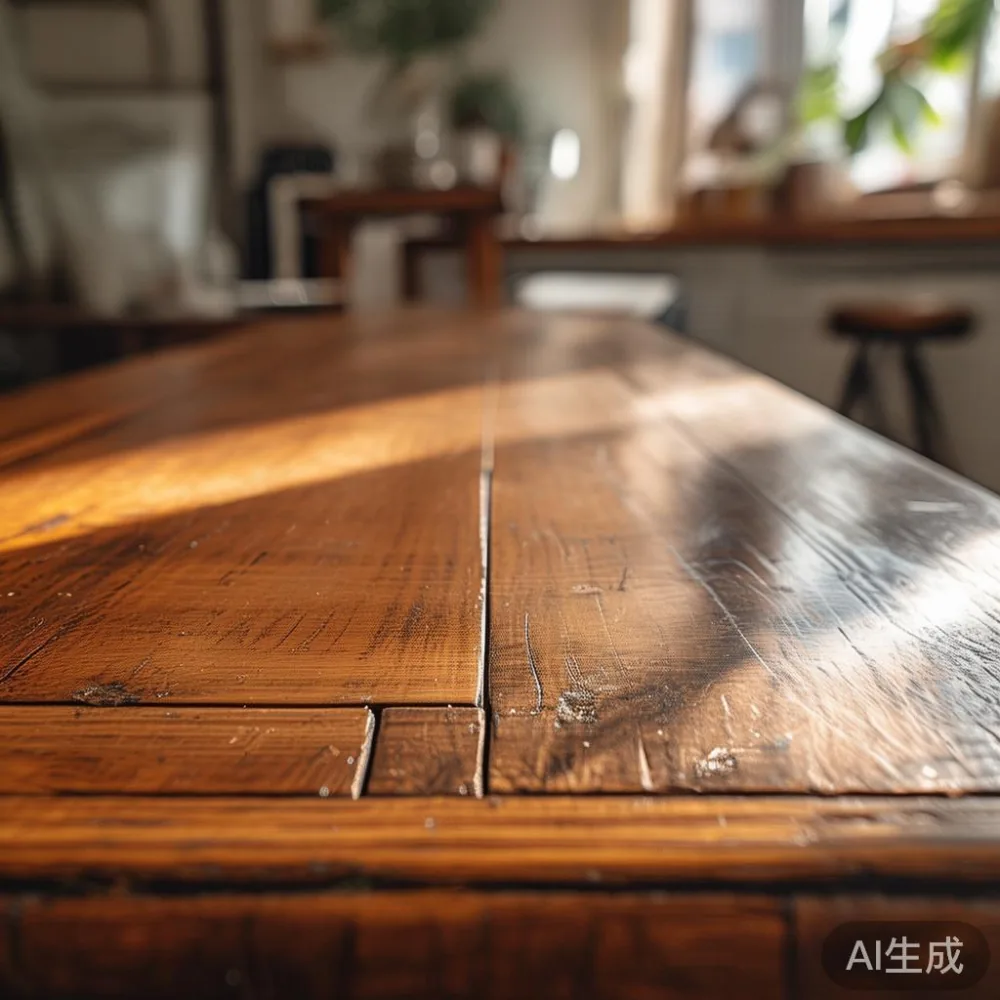
MIDHILL designs solid wood furniture for export markets, including Singapore, where customers regularly need pieces suited to HDB flats and condos in Tampines, Bedok and Punggol. Furniture performance depends on wood selection, construction, finish, acclimatisation and placement. This guide explains how humidity affects wood and what practical checks to make before accepting delivery.
Why does humidity change solid wood furniture in Singapore?
Wood is hygroscopic: it absorbs moisture when the surrounding air is humid and releases it when the air becomes drier. High relative humidity can cause swelling, while low relative humidity can cause shrinkage. Movement occurs along the grain rather than as equal expansion in every direction. A solid timber tabletop may therefore widen slightly across its grain while changing very little along its length.
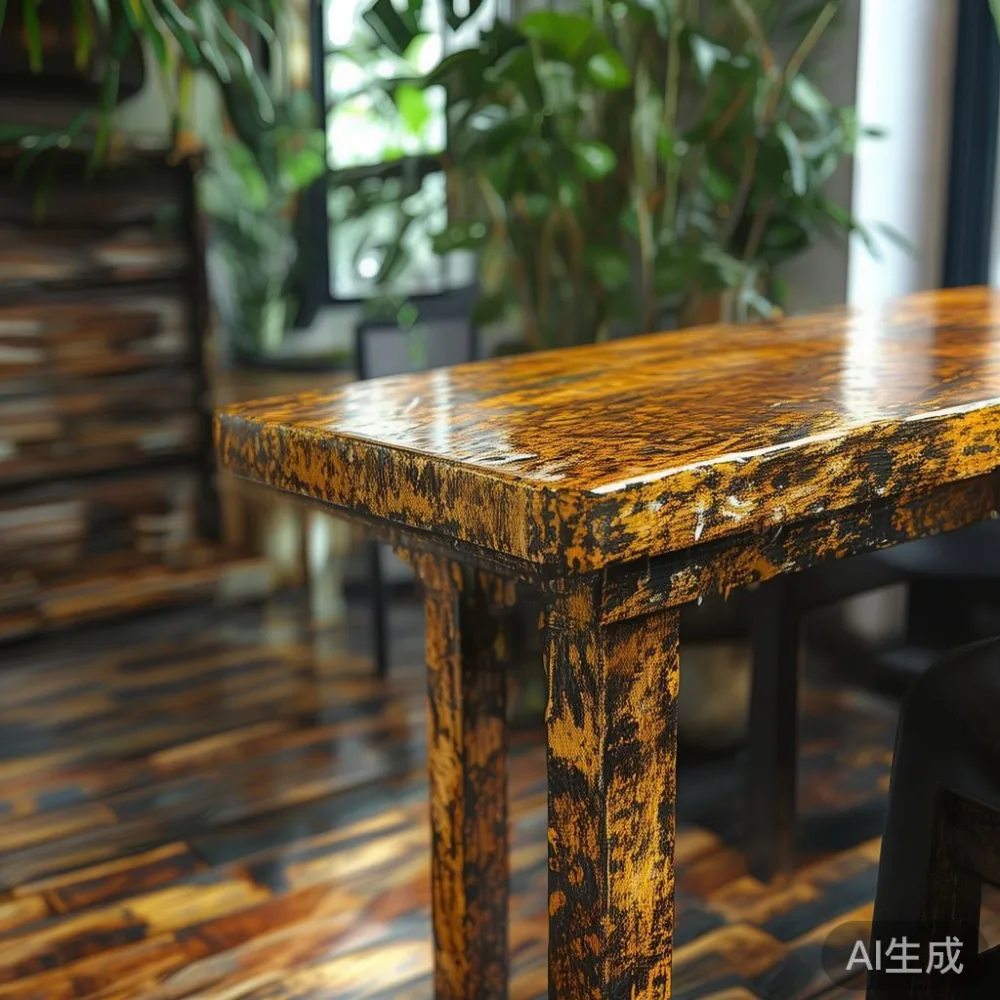
Singapore’s outdoor relative humidity often reaches roughly 80% during rainy periods, even though indoor conditions are usually more controlled. Coastal air, monsoon rain and temperature changes can affect a bar table placed near a window, balcony or air-conditioning unit. A recommended indoor range is about 40% to 60% relative humidity, with stable room temperature around 22°C to 26°C.
The real danger is repeated cycling rather than one damp day. Consider a 120 cm by 70 cm oak bar table in a Bedok condo. If its timber fluctuates by 0.5% in moisture content, the width can move by approximately 0.6 mm. A larger 180 cm table can develop a slightly more noticeable bow over repeated cycles, especially if the top is supported by an unsuitable frame.
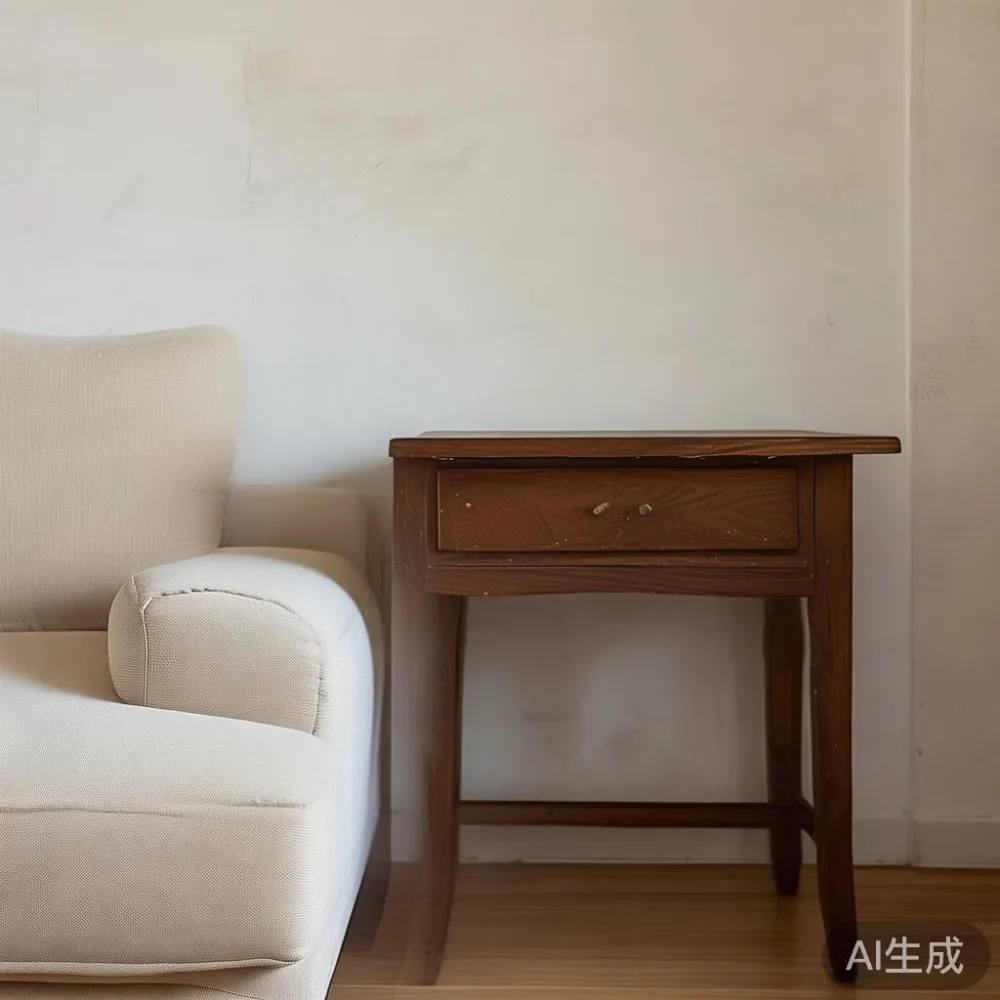
Engineered panels are not immune. A plywood wardrobe may show edge swelling, while a veneered dining table can reveal seams if its veneer is thin or its substrate is poorly sealed. Solid wood often has a more forgiving appearance because its grain can move, but quality joinery and an appropriate finish still matter.
How much should a bar table move after delivery?
Ask the supplier for clear care and acclimatisation instructions before a bar table is dispatched. A responsible manufacturer should explain the expected timber moisture range, finish type, recommended room humidity and warranty coverage. MIDHILL provides a 10-year structural warranty and lifetime refinishing on eligible furniture, with those terms confirmed in the sales documentation.
Acclimatise the table inside the home for 5 to 7 days before tightening frames, levelling feet or placing heavy objects on the top. During that period, keep it away from direct air-conditioning vents and windows. Increase the distance from a balcony door to at least 1 metre where possible. In a typical Tampines HDB flat, place the bar table against a dry interior wall rather than in a laundry or bathroom corridor.
Check movement with a straightedge across the top and a spirit level along both edges. Do not judge a large table solely by placing it on an uneven floor; a 5 mm gap under one leg can create a visible bow unrelated to timber moisture. Once stable, tighten fixings according to the maker’s instructions. Over-tightening can restrict natural seasonal movement and damage threads or joints.
Use a digital hygrometer rather than guessing. Place one near, not directly against, the bar table for 24 hours. Readings of 40% to 60% indicate a suitable indoor environment. Avoid sudden changes such as moving a table from an air-conditioned bedroom to a humid balcony area within 1 hour.
Can condensation damage a bar table or marble table?
Condensation is liquid water, and it can affect finishes, adhesives and stone surfaces. Singapore buildings generally do not experience frost, but chilled drink vessels can still create a damp ring. Use a coaster with a raised edge, and remove spills within 10 minutes. Wipe with a soft cloth rather than flooding the surface.
A marble table needs a slightly different care routine. Marble is less sensitive to humidity than wood, but acidic liquids can etch its surface. Clean a marble top with pH-neutral detergent, then dry it. Keep acidic drinks such as wine, citrus juice and vinegar away from the edge. For a bar table with a marble insert, check the stone thickness, support points and silicone joints every 6 months.
Humidity can also loosen metal hardware as corrosion develops beneath a plated finish. Inspect screws and brackets every 6 to 12 months. A minor squeak at the joint is a signal to check the fixing, not to pour oil into the joint. If the frame flexes when a 25 kg load is placed near the edge, contact the maker before using the table as a work surface.
What should I check when furniture reaches a Singapore flat?
Inspect the package before signing. Photograph the bar table on all sides, including the underside, corners and hardware. Note any split, mould stain, softened particleboard edge or swollen joint. Keep the protective packaging until the furniture has acclimatised and the delivery team has completed the handover.
Measure access routes before the furniture is built or shipped. Common HDB lift internal dimensions can be around 100 cm wide and 120 cm deep, but older blocks vary. Door and corridor clearances may be only 80 to 90 cm. A flat-pack bar table with two sections is often easier to transport than a single 180 cm top. Check turning clearances at 45-degree angles and the lift door opening, not only its cabin dimensions.
MIDHILL’s delivery terms should state the service scope, assembly requirements and timing. Allow 7 to 14 delivery days for Singapore orders, subject to stock and the chosen configuration. Delivery over US$350 is free under the stated offer, while GST is added to Singapore purchases at the prevailing rate. Confirm the final SGD total, including GST, before payment.
After arrival, check the table within 48 hours. Look for lifted veneer, white haze, finish blooming or hardware movement. A solid wood sofa, bed frame, dining table, wardrobe or nightstand should have flush joints and clean panel alignment. A minor colour difference between boards is natural in solid timber; a wet-looking patch or open seam deserves investigation.
How do I style a bar table in an HDB kitchen or condo?
A bar table works well where a kitchen meets a dining or living zone, but it must leave practical circulation space. In a compact HDB kitchen, allow at least 90 cm between the table edge and an opposing counter. In a larger condo, allow 100 to 120 cm so people can pass behind seated guests. Avoid positioning a 40 cm-deep bar table directly in front of a doorway.
For visual consistency, match the bar table’s wood tone with the dining table rather than forcing every piece to be identical. Oak and walnut each have distinct grain and colour variation. French light luxury often pairs pale timber, cream upholstery and restrained metal details. American light luxury leans toward generous proportions, warm woods and plush seating. Post-modern light luxury can use a geometric bar table, sculptural lighting and one carefully controlled accent colour.
Styling depends on accurate dimensions. A bar table 120 cm long can seat 2 people comfortably, while a 160 cm version may suit 4. A counter-height top around 105 to 110 cm suits most dining stools; a 100 cm table may suit a slightly lower seat. Check the manufacturer’s recommended stool clearance before ordering.
Some customers search for a European light luxury dining table, Vintage for dining room ideas or under 2000 European furniture labels while planning an open-plan home. Those broad searches can be misleading because local storage, humidity and delivery access determine whether a large imported piece is practical. A dining table with a 180 cm top may need a separate top section for a narrow lift. A bar table with a 60 to 70 cm depth can create a clearer serving zone without closing the entire kitchen.
What furniture-care routine protects wood in a humid climate?
Dust weekly with a soft, dry microfibre cloth. Vacuum underneath using a low-suction attachment so the vacuum head does not scratch the timber. Clean spills promptly, and avoid silicone-based furniture sprays unless the finish maker approves them. For routine care, use a lightly damp cloth and dry the surface immediately.
Re-oil or renew the finish only according to the product specification. Some hardwax oils may need refreshing every 12 to 24 months in a humid home; a factory lacquer should not be treated like an oil finish. Test any product on an inconspicuous 10 cm square and wait 24 hours. Do not sand or strip a table without confirming the original finish and construction.
Keep potted plants on trays and move them if the soil stays wet for days. Maintain 30 to 50 cm of airflow around a bar table where possible. In rooms that are consistently above 65% relative humidity, use a dehumidifier and monitor the result for 7 days. Do not place furniture against an exterior wall that remains cool and damp; 5 to 10 cm of spacing can improve airflow.
Check moving parts and fixings every 6 months. Inspect the wall fixings if children use the bar table, and replace damaged plugs with the correct load-rated type. Avoid hanging heavy objects from a bar table apron. A 120 cm model should carry a distributed load of about 40 to 60 kg if approved by the maker, but concentrated point loads should remain well below that limit.
Which wood and finish are more suitable for Singapore?
No timber is completely maintenance-free in a humid climate. Dense hardwoods can be durable, while softer woods can be more sensitive to dents and movement. The species alone does not decide performance; stable stock, kiln conditioning, joinery and sealing all affect behaviour. For indoor use, ask for timber conditioned for the destination’s expected moisture range rather than stock stored at an unusually dry moisture content.
A hardwax oil gives a tactile finish and can often be maintained locally, while lacquer offers a different repair profile. Both need protection from standing water. For pale woods, a UV-filtered finish helps in rooms with strong daylight, although UV film on windows can reduce fading without affecting humidity. For darker walnut, compare colour samples under the actual evening lighting, as a 3000 K lamp can make brown tones appear redder.
Design matters as much as species. A solid wood dining table with a well-braced frame and breadboard ends can accommodate seasonal movement better than a thin top held by a rigid perimeter. A bar table should use cross-bracing, secure corner blocks and fixings that allow controlled movement. A wardrobe needs sealed edges and adjustable hinges that can follow changes in the carcass.
How do I choose a supplier that understands Southeast Asian conditions?
Ask specific questions. “Will the furniture warp in Singapore?” is less useful than asking what moisture range applies to the shipped timber, which finish is used, how long acclimatisation takes, and what happens if a joint moves during the warranty period. A supplier should provide dimensions in centimetres, weight in kilograms and clear delivery terms.
Experience in the local market helps. MIDHILL has exported to more than 15 countries since 2008 and can coordinate compact parcel delivery for Singapore homes. A 10-year structural warranty provides defined recourse for manufacturing issues, while lifetime refinishing covers eligible surface renewal under its published terms. The 14-day returns policy gives customers time to assess an item, subject to the stated condition requirements.
Customers researching a solid wood sofa or bed frame should request the same material details used for case goods. Confirm whether “solid wood” refers to the visible frame, legs, back panels, drawer boxes and internal components, or only selected parts. For a nightstand, check the drawer runner material and whether the back panel is solid timber. For a marble table, request care instructions and details of the stone and support structure.
Those working out how to style Japanese bed in apartment layouts, or wondering is Japandi bed worth it for a small flat, should measure the room before choosing a large frame. A Japanese-style platform bed may suit a 3 m by 3 m bedroom better than a bulky upholstered model, and a slim nightstand can preserve circulation. People comparing the best Rustic sofa for 2026 should check seat depth, fabric humidity tolerance and lift access rather than relying on a trend label.
The practical approach is simple: buy accurate information, allow the wood to acclimatise, control indoor humidity and inspect the furniture regularly. A bar table that arrives dry, is installed in a stable location and receives careful care can remain functional and attractive for many years in Singapore’s demanding climate.