Styling a Small HDB or Condo With a Slim Bar Table
A narrow bar table can give a compact Singapore home a useful place to eat, work, and socialise without occupying the footprint of a full dining table. In a Tampines HDB flat, a Bedok condo, or a Punggol apartment where the dining zone shares space with the kitchen, the right height, depth, material, and placement can make circulation calmer and the room feel more intentional. This guide explains how to choose, position, and style one for sale through MIDHILL’s compact furniture range.
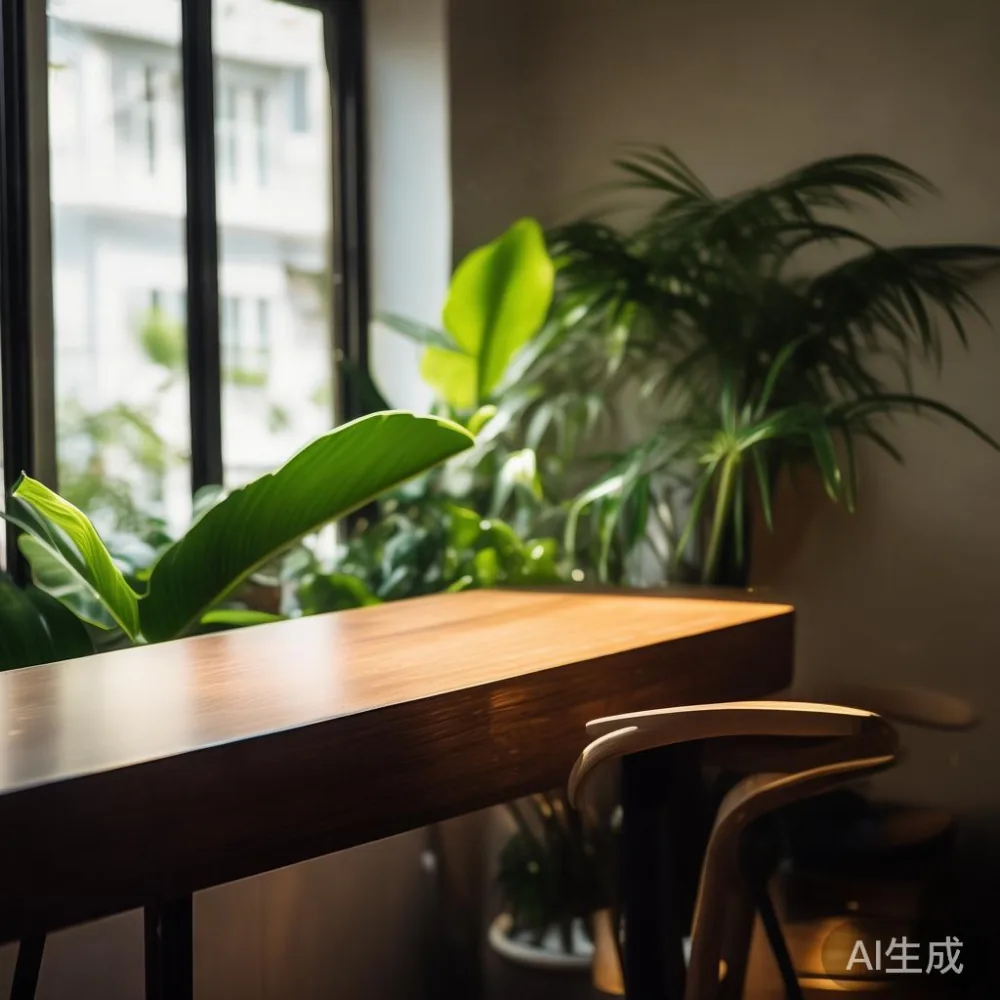
Most Singapore interiors need flexible zoning rather than more furniture. A standard dining table may measure 140–180 cm long and 80–90 cm wide, which can choke a narrow living-dining area. A slim bar table can be only 90–130 cm long and 35–45 cm deep, while still providing a surface for 2–4 people. Before ordering, check the clear route from the entrance to the kitchen, the width needed to pull out a chair, and the distance from your lift or staircase. Allow at least 75 cm of comfortable passage around the main side of the table; 90 cm is preferable when two people pass regularly.
What Size Bar Table Fits a Small Apartment?
Choose the room before choosing the dimensions. Measure the available wall or peninsula in centimetres, then subtract 5–10 cm for visual breathing room. A table set too tightly against a wall can look heavy, while one with a generous gap may float awkwardly in a compact plan. For a typical Singapore kitchen peninsula, a 100–120 cm bar table with a 40 cm depth is practical. For a living-room corner, a circular or oval bar table between 80–100 cm across may preserve movement better than a rectangular model.
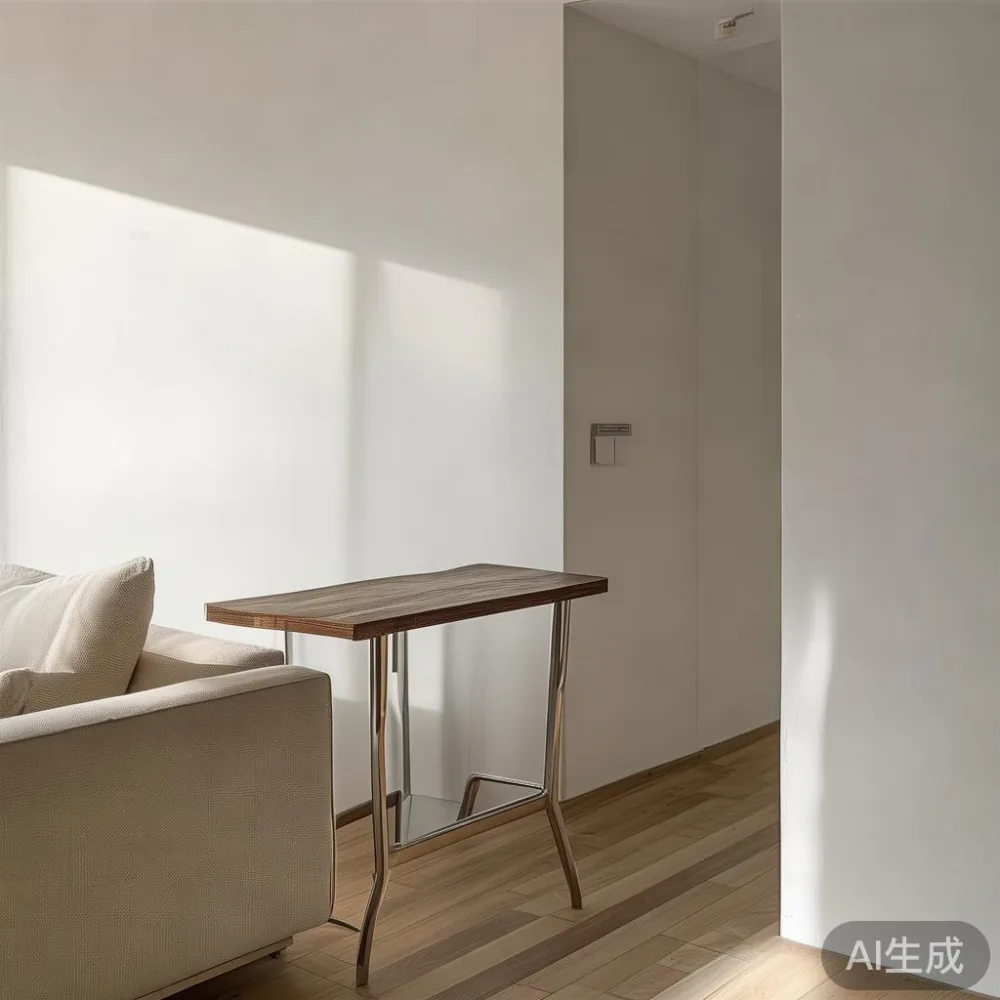
Height affects comfort. A 105–110 cm counter-height bar table pairs naturally with 65–75 cm bar stools, while a 90–95 cm table suits standard 45–55 cm chairs. Check the underside of the tabletop before selecting stools: a solid wood apron or drawer should not collide with your knees. If the table will serve as a work surface, 105 cm is often more comfortable than 115 cm. Keep at least 20–30 cm between the table edge and a nearby wall cabinet when using stools.
Weight matters too. A compact solid oak or ash bar table may weigh 25–45 kg, so it should not be moved every day. Ask for the packed weight and delivery specifications. Singapore lift doors commonly measure about 90 cm wide, while many HDB corridors and lift lobbies offer less turning space than showrooms suggest. A flat-packed or disassembled table with removable legs can make access easier; confirm that the package fits the lift car and turning area before delivery.
Can a Bar Table Replace a Dining Table in an HDB Flat?
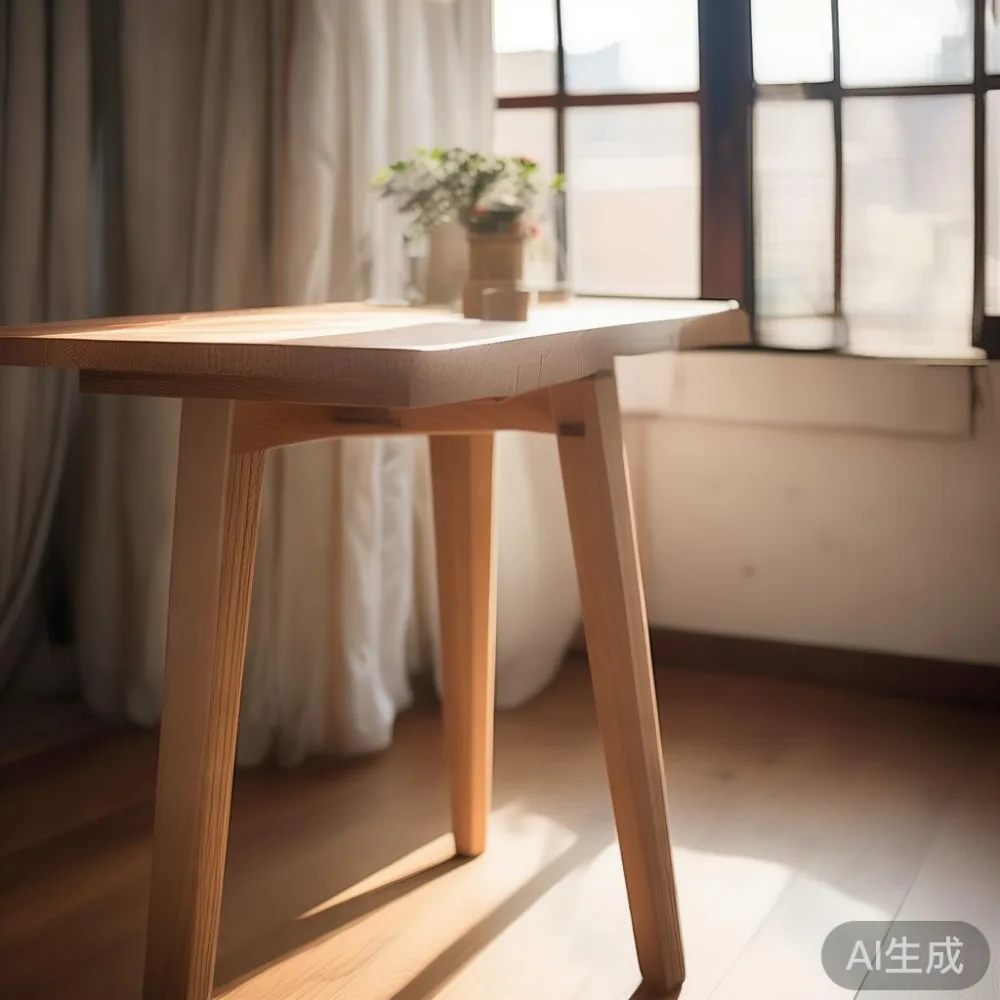
It can replace a dining table for an everyday household of 2–3 people, but not for every meal. A 120 cm bar table may seat 4 people along one side or 2 on each long side if space allows. It is useful for breakfast, lunch, laptop work, and casual evening meals, yet serving a large roast chicken or several hotpots may require a temporary extension. A 60–75 cm leaf can increase the surface to 150–180 cm when needed, then fold away.
Plan the seating direction carefully. Two stools on the long side leave the opposite side free for a walkway, which is usually the smarter arrangement in a Singapore condo. In a very narrow kitchen, place one stool at each short end, but maintain enough room to open the fridge and dishwasher doors. A bar table placed beside the dining area can create a second, lighter zone without removing the kitchen’s function.
For a living room, use a 90–110 cm high table with 2–4 stools. It can become a coffee table during the day and a supper surface later, provided the stools tuck underneath. Choose a lower model if your sofa is a compact solid wood sofa and the room already feels busy. A 100–105 cm table can work beside a sofa, but leave 40–50 cm between the sofa arm and table edge so people can sit down without bumping the timber frame.
Which Wood and Finish Suit a Light-Luxury Interior?
Light oak, pale ash, and warm walnut suit many East Asian homes because they reflect daylight and pair easily with neutral walls. French light luxury often balances pale timber with cream upholstery, slim black metal, and restrained ornament. Post-modern light luxury can mix one solid wood bar table with a sculptural chair, while American light luxury favours a substantial wood tone, comfortable proportions, and fewer decorative objects.
Finish selection should account for Singapore humidity, sunlight, and cleaning habits. A matte water-based finish is forgiving around a kitchen or dining zone, while a deeper satin finish may show fingerprints more readily. Ask about the coating system, expected care, and whether refinishing is available. MIDHILL provides a 10-year structural warranty and lifetime refinishing, which can be helpful if a bar table needs colour maintenance after years of use.
Compare material against weight and stability. Solid wood is durable but heavier than engineered board; a 35 cm-deep table needs a well-joined base to prevent wobble. Look for visible joinery, even grain, and a top thick enough not to flex when supported at one end. If the table is for sale as part of a coordinated package, inspect the edges and hardware as carefully as the top.
How Do You Style European Light Luxury in a Small Living Room?
People often search for how to style European light luxury sofa in room guides, but the styling principle is similar for any compact seating arrangement: reduce visual bulk, then add one deliberate focal point. A low-backed solid wood sofa with a 78–90 cm width can anchor a small living room, while a bar table near the kitchen keeps the dining function separate. Keep the palette to 3 colours—for example, warm oak, ivory, and charcoal—and avoid crowding the floor with more than 3 visible accessories.
Use vertical storage above or beside the bar table, not directly in front of the main route. A shallow shelf 15–25 cm deep can hold 2–3 plants, cups, and cookbooks without becoming a visual block. Hang one pendant 60–80 cm above the tabletop, but check head clearance and whether it interferes with a nearby ceiling fan. In a 3.0–3.5 m wide room, a single 60–100 cm light often gives enough illumination; in a darker kitchen corner, add a 300–500 lumen task lamp.
For compact seating, choose bar stools with a narrow footprint and backs that fit beneath the overhang. A 35–40 cm wide stool is easier to move than a 45 cm model, though it may feel less stable for heavier users. Leave 55–65 cm between stool centres. A table height of 105 cm and stool seat height of 65 cm creates a workable 40 cm difference, provided the table apron does not reduce legroom.
Where Should the Bar Table Go in a Tampines, Bedok, or Punggol Home?
Begin at the circulation route. Walk from the flat entrance to the kitchen, then from the kitchen to the bathroom and bedroom. Mark any route narrower than 75 cm. Place the bar table outside those paths, preferably against a wall, peninsula, or window. A window-side position can make a narrow table feel lighter, although direct afternoon sun may affect the finish; use blinds or sheer curtains to soften glare.
In a Tampines HDB kitchen-dining room, a 100 cm solid wood bar table can sit parallel to an island or cabinet run. In a Bedok condo with an open kitchen, align the table with the countertop to create a clean line. In a Punggol apartment with a balcony entrance, leave the balcony threshold clear and keep at least 60 cm beside the table for chairs. These measurements are practical guides, so adjust them to your household and access route.
Do not block a corridor just because the table has a slim base. The lifting and landing space outside your unit may be tight, and a polished chair leg can be hazardous near a door swing. Ask the supplier for an access check, and measure the narrowest point before placing an order. If a table cannot be moved easily, consider a lighter model or one with detachable legs.
How Much Should You Budget for a Compact Bar Table?
A practical solid wood bar table in Singapore may range from about SGD 700 to SGD 2,200, depending on timber, size, joinery, and finish. A small 90–100 cm model may sit below SGD 1,200, while a 120–140 cm table with a thicker top and more elaborate base can reach SGD 1,800–2,200. Stools may add SGD 120–350 each. Compare the delivered cost, warranty, and care provisions rather than judging by the catalogue price alone.
Search terms such as under 2000 Minimalist furniture can help you compare complete room packages, while a query for for sale Minimalist furniture should reveal whether the price includes delivery or only the table. Singapore orders show 8% GST when applicable to the final taxable amount; ask for the full invoice so the calculation is clear.
Budget for delivery protection and installation in high-rise buildings. A 1-person delivery service may cost about SGD 40–80 within a standard Singapore zone, while a 2-person service for stairs or a bulky table may cost SGD 90–180. Confirm whether the elevator reservation, unpacking, and assembly are included. Allow roughly 7–14 delivery days for a locally fulfilled item, but check the supplier’s current production window before committing.
What Are the Alternatives If a Bar Table Still Feels Crowded?
Choose a drop-leaf dining table, a nesting table, or a console-style bar table that can fold against the wall. A console may measure 90–120 cm long and 30–40 cm deep, making it suitable for a living room or study, but it is less stable for full meals. A wall-mounted drop-leaf can release floor space when closed, yet installation requires sound fixing and careful measurement.
Some apartment residents prefer a dining table with benches that slide fully underneath. A 100–120 cm table may seat 2–4 people and function as a desk by day. If you need storage more than dining capacity, a narrow dining table can include 1 drawer up to 45 cm deep, but avoid overfilling it with heavy objects. If the space is primarily a study, pair a slim bar table with a compact chair instead of buying several categories at once.
Shopping for top 10 Industrial furniture lists can be useful for checking construction, but style should follow the room. Industrial pieces pair well with metal and darker timber, while they may overpower a pale French light luxury scheme. Likewise, search results for Scandinavian for small living room suggest pale timber and simple forms, which suit a bar table but should be balanced with warmer lighting and 1–2 textured pieces.
How Do You Check Delivery, Returns, and Long-Term Care?
Before payment, confirm the table’s exact dimensions, packed size, weight, finish, and delivery lead time. Check whether the warranty covers structural failure rather than every surface scratch, and ask how to arrange refinishing after the first 5–10 years. For a compact apartment, a clear return policy is valuable because a bar table can look different in a small room than it did in a showroom.
Singapore shoppers should compare local delivery promises and the supplier’s export experience. MIDHILL has supplied furniture since 2008, exports to more than 15 countries, offers free shipping on orders above US$350, and provides a 14-day return window. International shipping terms do not automatically match a Singapore address, so request the local quotation and confirm how GST, access charges, and returns are handled.
I tested this planning method last month while visiting a colleague’s 3-room Bedok unit. We placed a 110 × 40 cm bar table beside a 95 cm-high peninsula, used 2 stools, and kept a 78 cm passage toward the corridor. The table made breakfast and laptop work more practical, but we moved the stools to the long side after noticing that the original 60 cm gap felt tight. Measuring the room twice prevented a purchase that looked right on paper but crowded the real route.
A well-proportioned bar table should support your daily routines, not become another obstacle. Choose a size that leaves at least 75 cm of movement, test the stool and table height together, and keep the finish light enough to suit the room. For related pieces, compare a solid wood sofa, bed frame, dining table, wardrobe, nightstand, or marble table by footprint first, then by appearance and price.