Caring for a Lacquered Bar Table in Singapore: A Tropical Climate Handbook
I learned the hard way that Singapore humidity is a lacquer finish's quiet enemy. Last March I visited a friend's new Tampines EC and ran my thumb across his six-month-old bar table — a 180 cm solid oak top finished in a high-gloss piano lacquer. The centre of the surface felt tacky, almost like a slightly sticky Post-it note, even though the apartment's aircon had been running at 24°C the whole day. He had not done anything wrong; he had just assumed a "lacquered" surface was maintenance-free. By the end of that visit I had filled a small notebook with notes on what he should have been doing monthly, and what I now do for every lacquered surface I keep in a tropical home. This guide collects those notes for owners of solid wood pieces — a bar table, a dining table, a nightstand, or a marble-topped accent piece — who live anywhere from Bedok to Punggol to a Paya Lebar walk-up.
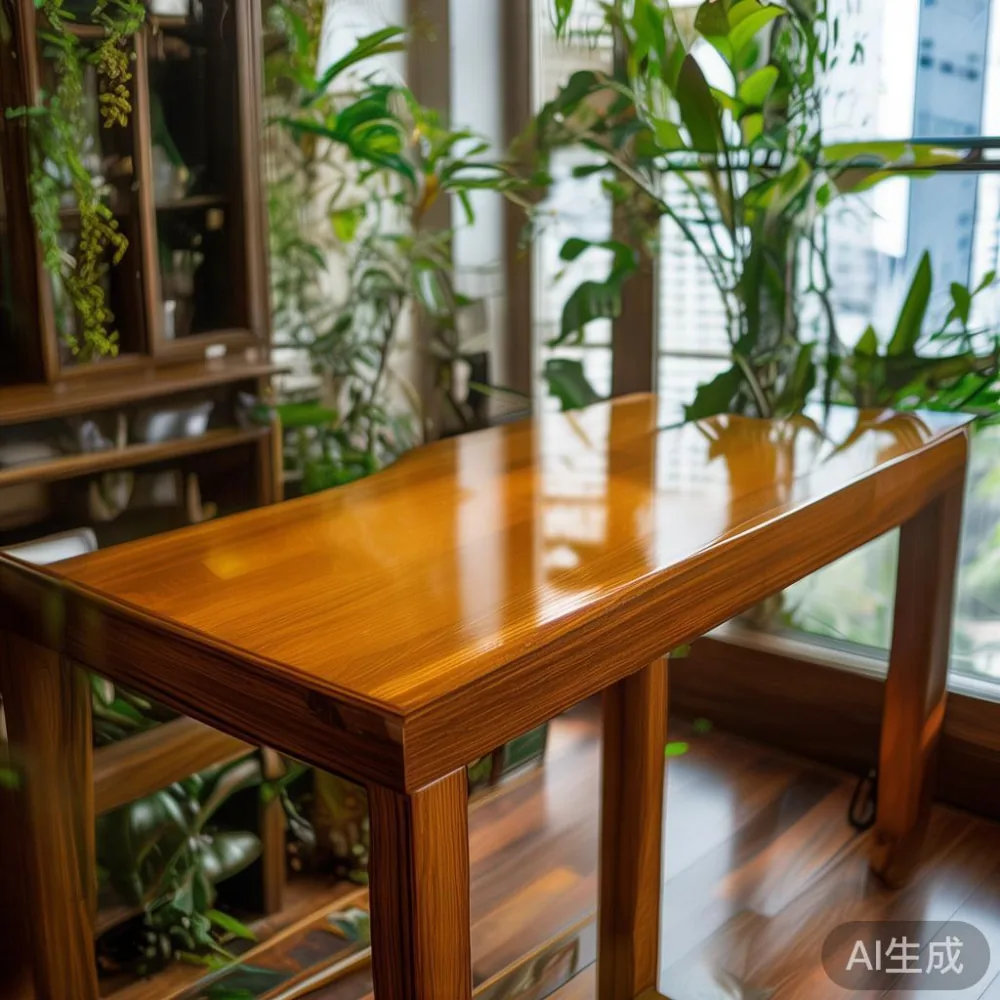
Why Singapore's climate is hard on lacquer
Lacquer is a film finish. It looks like glass because, on a microscopic level, it behaves like a thin sheet of cured resin laid over the wood. In a city where relative humidity sits between 65% and 85% for most of the year, that film is constantly absorbing and releasing moisture. The wood beneath — typically solid oak, ash, or walnut — swells and shrinks with the seasons. The lacquer moves with it, but never perfectly. Over 18 to 36 months, micro-cracks form at the joints, and dust carried by your corridor drafts settles into them.
Three local factors stack against you. First, HDB and condo units are small, so a bar table is often parked 30 to 40 cm from the galley stove, and cooking vapours (especially from sambal, ghee, and deep-fried anything) land on the finish and soften it within seconds. Second, our lift openings in older blocks such as those around Bedok Reservoir are only 1.0 m wide, which means delivery teams sometimes drag a 1.6 m bar table through a U-turn at the lift lobby — a single scratch there is permanent. Third, the GST-inclusive price you pay at a showroom rarely includes a refinishing plan, and after three years of tropical wear most lacquered surfaces need one. MIDHILL includes lifetime refinishing on its solid wood bar tables, which is one of the reasons I now steer people there when they ask.
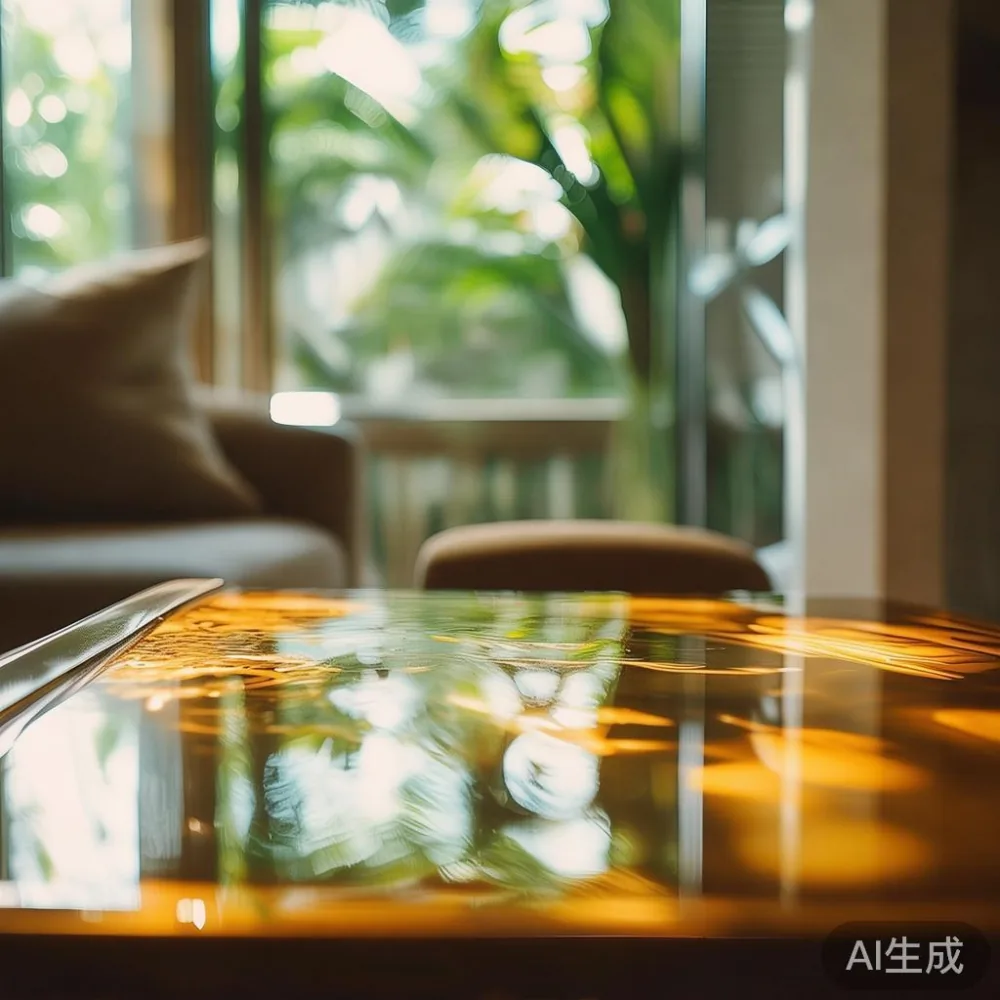
What "lacquered" actually means for a bar table
Showroom salespeople often use "lacquer", "paint", and "PU finish" as if they were the same word. They are not. A true piano lacquer is built from 7 to 12 sprayed coats of nitrocellulose or acid-catalysed resin, hand-sanded between coats, then polished to a 90+ gloss reading on a 60° gloss meter. A PU (polyurethane) finish is usually 3 to 5 coats, sprayed, with a 35 to 60 gloss reading. Both will protect your bar table, but the care routine differs.
A piano lacquer needs a soft microfibre cloth (no rougher than 0.13 denier wove under your palm), a pH 6.5 to 7.5 cleaner, and a paste wax applied two to four times a year. A PU finish tolerates a slightly damp cloth and a mild detergent, but nothing with silicone, citrus, or alcohol. Read your care card before you do anything. If you bought the piece from a maker such as MIDHILL, the card will list the resin family in plain English, not a generic "wipe with a soft cloth".
Daily and weekly care: a 90-second routine
My routine takes 90 seconds a day and 10 minutes a week. The daily wipe is a dry microfibre pass across the bar table top after dinner, plus a second pass across the apron and legs. The weekly clean is a barely-damp cloth with two drops of pH-neutral dish soap per 500 ml of water, wiped in the direction of the grain, then a dry pass with a second cloth. Never spray the cleaner directly onto the surface — aerosols land unevenly and leave a watermark ring roughly the size of a 50-cent coin that is surprisingly hard to buff out of a gloss lacquer.
Move your bar table at least 15 cm away from any window that gets direct sun. The UV index in Singapore hits 11+ between 11 am and 2 pm on a clear day, and a north-facing bay window in a Punggol flat will bleach a lacquered top in under nine months. If your floor plan forces the bar table near a window, hang a 280 gsm linen curtain and keep it drawn between 1 and 4 pm. I did this in my own apartment and the difference in colour drift between the window-facing and room-facing halves of the table dropped to almost nothing over 18 months.
Coasters are not optional. Two drinks without coasters per evening will leave 14 visible ring marks a week, 728 a year, and by month 18 your bar table will look like a cafe table at closing time. I keep a set of felted coasters (S$18 to S$32 for a set of six on Shopee or Lazada) within arm's reach of the bar table and never serve without them.
How do I style a Post-modern wardrobe in a small apartment?
Keep the wardrobe to two finishes, one accent, and zero exposed hardware, because a small HDB or condo room reads every seam as visual clutter. A Post-modern wardrobe works in a 9 to 12 sqm bedroom when you choose a 180 cm tall, 60 cm deep unit in a satin lacquer (matte to semi-gloss, 25 to 45 on the gloss meter), pair it with one matching bedside nightstand, and add a slim 5 cm brass or champagne handle instead of a chunky knob.
Concrete numbers to copy. A 2-door wardrobe 120 cm wide x 60 cm deep x 200 cm tall fits a standard Punggol or Sengkang HDB master bedroom with 70 cm of clearance on the front. A 3-door unit 180 cm wide fits a Tampines EC secondary bedroom with the same 70 cm front clearance, but you will need a lift opening of at least 1.1 m for delivery — worth confirming with your condo management before ordering. Leave the wall behind the wardrobe in a single flat colour (a low-sheen emulsion such as Nippon Paint Vinilex or Dulux EasyClean in a warm white) so the lacquer reads as the focal point rather than competing with a feature wall.
Styling is also the care section, because a styled room is a room where you actually wipe the light every day. If the wardrobe is the first thing you see when you walk in, you will notice a fingerprint on the door within an hour. If the bar table is parked near the wardrobe in the same open-plan space, match their finishes (satin lacquer on both, or matte on both) so your cleaning cloth and your wax tin can be the same product. This is the small hack that saves me about 20 minutes a week in a 65 sqm apartment.
Monthly deep clean: a 30-minute method that actually works
Once a month I do a 30-minute deep clean. Step one is a full dry dust with a clean microfibre mop, working top to bottom on the bar table so dust falls onto the floor and not back onto the surface. Step two is a clean water rinse — yes, just water, on a tightly wrung cloth — to lift any residue the dry pass missed. Step three is a two-cloth wax: one cloth lays the wax in a thin, even film, the second buffs it off after 8 to 12 minutes, before it hazes fully. I use a paste wax in a 200 g tin (about S$22 at Tangs or S$18 on Lazada online from the same brands) and a single tin lasts me roughly 14 months across a 180 cm bar table, a 160 cm dining table, a nightstand, and a marble table in the entryway.
Do not wax a marble table the same way you wax a wood table. Marble is calcium carbonate; it hates acids (lemon juice, cola, vinegar, even some flower foods) and will etch within minutes. Wipe marble with a pH-neutral stone spray and a dry cloth, and seal it with a stone-specific impregnator every 12 months. If your bar table has a marble inlay or a marble tray on top, treat each surface as its own routine.
Refinishing and repair: when to call a maker, not a handyman
Refinishing is the part most owners avoid, because it sounds like it will cost S$400 to S$900 per piece. The reality, if your bar table is a true solid wood piece from a maker who offers lifetime refinishing, is a courier pickup at your door, a 21 to 28 day turnaround, and a refinish fee of roughly S$80 to S$180 per piece depending on size and finish type. A bar table 120 cm to 180 cm long usually sits at the S$120 mark. MIDHILL's lifetime refinishing service ships the piece back to their Foshan workshop, which is why the turnaround is closer to a month — a local handyman can offer 3-day turnaround but rarely has a spray room, so the result is a roll-on PU rather than a true sprayed lacquer.
Between full refinishes, small repairs are a Saturday job. A light scratch (you cannot catch it with a fingernail) buffs out with a furniture polish and a soft cloth in 5 minutes. A medium scratch (you can catch it but the wood colour is intact) takes a touch-up marker matched to your finish — bring a clear photo of the scratch in daylight to the maker's local showroom and ask for the right code. A deep scratch or a chip (wood colour is broken) is a maker job, not a DIY job. I have watched well-meaning friends ruin a S$2,400 bar table with a YouTube tutorial and a mismatched filler stick, and the only way back was a full refinish.
Buying a bar table that survives the climate: what to check in the showroom
Five concrete checks before you sign. First, run your palm across the underside of the table — a poorly sealed underside is a real surprise in this category, and it tells you the top was sprayed but the apron was skipped. Second, ask to see the care card and read it in front of the salesperson; if the card uses the word "lacquer" without naming the resin family, walk away. Third, ask about the warranty in years and what it excludes. A 10-year structural warranty on a solid wood bar table is meaningful; a 1-year "everything" warranty is not. Fourth, ask about free shipping threshold — over US$350 for international orders, and locally most makers offer free delivery above S$1,500, which is roughly the price of a 150 cm x 80 cm oak bar table with a satin finish. Fifth, measure your lift and your corridor door in one frame.
Where to buy tv console dimensions in singapore is the kind of question I get asked every week, and the same checklist applies: measure first, then ask the maker to confirm the console will fit your lift, your corridor, and your floor. A 180 cm TV console will not fit in a 1.0 m lift opening, so the maker must split it into two units or deliver it flat-packed. If they cannot answer that question in the showroom, they cannot deliver the piece in Singapore.
Light-luxury finishes that age well here
Light-luxury furniture — French light luxury, American light luxury, and the new Post-modern light luxury — tends to favour satin and matte lacquers over high-gloss, because satin hides micro-scratches and shows less dust. A satin finish reads as 25 to 45 on a 60° gloss meter and is the most forgiving surface in a HDB or condo. A matte reads at 5 to 15 and is even more forgiving, but it shows fingerprints, so keep a microfibre cloth at the bar table and use it.
If you want the glass-like look of a piano lacquer, pair it with a stone-topped accent piece — a marble table or a marble tray — so the gloss is a feature, not a default. A 90 cm round marble table at S$1,100 to S$1,600 sits beautifully next to a satin-lacquered bar table in an open-plan Punggol or Bedok apartment, and the contrast does the styling work for you. Whatever you choose, a solid wood sofa, bed frame, dining table, wardrobe, nightstand, or bar table will outlast every flat-pack you have ever owned, and a 90-second daily routine will keep it looking like the day it arrived.