The 5-Year Financial Reality Check: Veneer vs. Solid Wood Bar Tables in Singapore
For residents of Singapore, from the compact HDB flats in Tampines to the sprawling condominiums in Punggol, the home is a sanctuary. It's a space that must be both functional and reflective of personal style. When furnishing a smaller living area, a bar table often becomes the centrepiece—a spot for morning coffee, a quick lunch, or an evening drink with friends. But this seemingly simple piece of furniture presents a common dilemma: veneer or solid wood? The choice is often framed as a matter of immediate cost, but a true evaluation requires looking at the full 5-year picture. This analysis breaks down the real, long-term financial and experiential differences between these two materials, using concrete figures and local context to guide your decision.
What Exactly Are You Paying For? Understanding the Materials
Before comparing costs, it's important to understand the fundamental difference between the two materials. A veneer bar table consists of a thin layer of wood, often just 0.3 to 0.6 millimetres thick, applied over a composite core like MDF (Medium-Density Fibreboard) or plywood. The visible surface is real wood, but the structure beneath is engineered. A solid wood bar table, conversely, is crafted from a single piece or multiple solid pieces of hardwood like oak, walnut, or mango wood. The entire structure, from the tabletop to the legs, is made from this solid material. This distinction is the root of all subsequent differences in cost, durability, and maintenance over a five-year period.
The Initial Purchase Price: A Singaporean Perspective
The most obvious difference is the upfront price. In Singapore, a veneer bar table typically starts from a lower price point. A standard 80cm x 80cm bar table with a veneer finish might cost between SGD 450 and SGD 800. For example, a simple design from a local furniture retailer could be priced at SGD 550. Delivery within Singapore usually takes 7 to 14 business days, with a standard delivery fee of SGD 50 for most postal codes, including areas like Bedok and Tampines. For purchases over SGD 350, this fee is often waived, making the final outlay SGD 550.
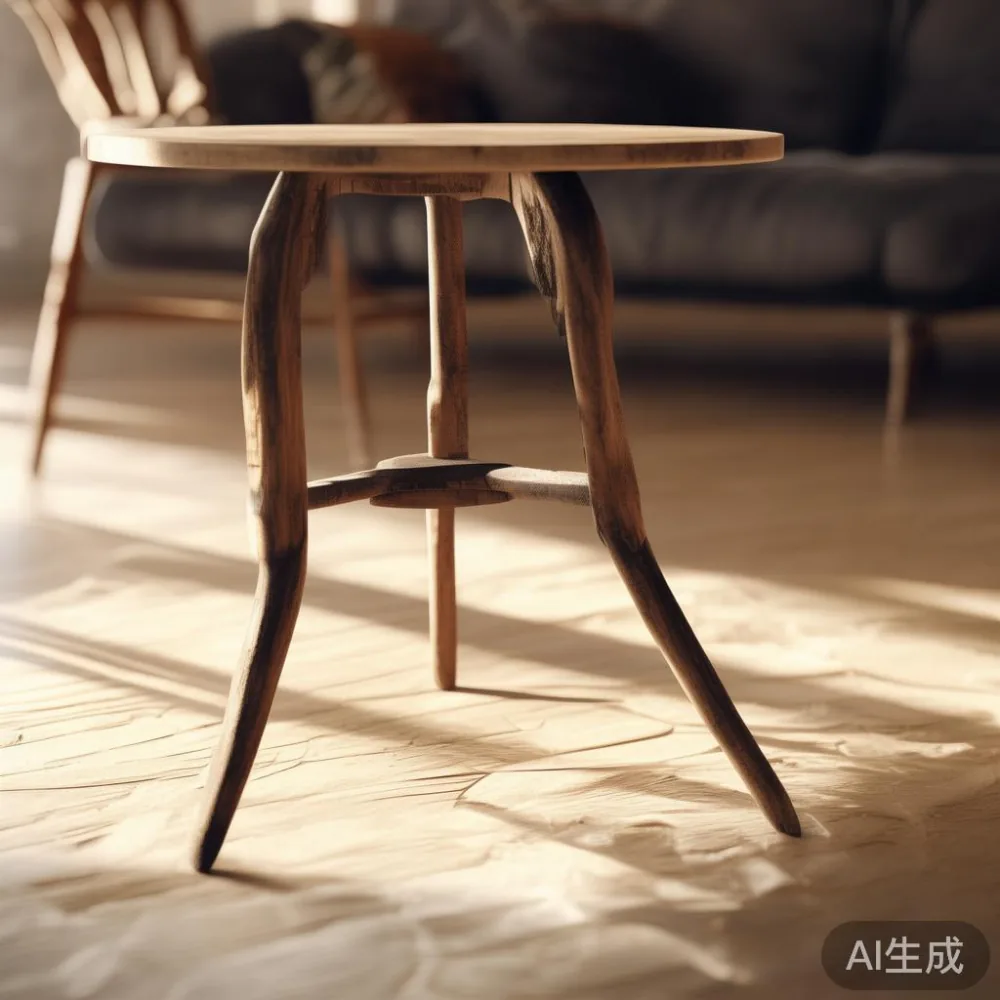
A solid wood bar table commands a higher initial price. The same dimensions and style in solid mango or oak wood would typically range from SGD 1,200 to SGD 2,500. A solid mango wood bar table from a reputable maker like MIDHILL might be priced at SGD 1,800. This reflects the cost of premium, sustainably sourced hardwood and the skilled labour required for construction. Delivery for a heavier solid wood piece might take 10 to 18 business days due to its weight and fragility, but the free shipping threshold still applies. The initial investment is clearly higher for solid wood, with a difference of approximately SGD 1,250 in this example.
Wear and Tear Over 5 Years: A Tale of Two Tables
The true cost difference emerges over time. A veneer bar table's Achilles' heel is its susceptibility to moisture and impact. The thin wood layer can bubble or peel if a wet glass is left on it without a coaster. The MDF core, once exposed to moisture, will swell and lose its structural integrity. Minor bumps and scratches can easily chip the veneer, revealing the composite material underneath. In the high-humidity environment of Singapore, this is a significant concern. After three to four years, a veneer table might show noticeable signs of wear, with a bubbled finish near the sink or a chipped corner from a clumsy moment.

A solid wood bar table behaves differently. Solid wood is naturally more resistant to moisture and impact. It may show scratches, but these can often be sanded out and the piece refinished. The wood itself can develop a beautiful patina over time, a character that many homeowners appreciate. Last month, I visited a client in a Punggol condo who had purchased a solid wood bar table from MIDHILL five years ago. The table had a few light scratches but retained its structural integrity and rich colour. She mentioned that the table had become a beloved part of her home, its imperfections telling a story. This long-term resilience is a key factor in the 5-year cost analysis.
Repair and Replacement Costs: The Hidden Expenses
When a veneer bar table starts to fail, repair options are limited and often expensive. Fixing a bubble or a chip is a temporary fix at best. If the MDF core swells, the entire tabletop may need to be replaced. Replacing a 80cm x 80cm veneer top could cost SGD 400 to SGD 600, not including labour. By year five, if the table has significant damage, the owner might face a choice: spend SGD 500 to repair a compromised piece or replace it entirely for another SGD 550. This brings the potential 5-year cost to over SGD 1,100.
With solid wood, the repair story is different. The primary maintenance is occasional oiling or waxing to keep the wood nourished, a simple task that costs SGD 30 for a good quality wood oil. For deeper scratches, a professional refinishing service can sand and re-coat the entire table. This service, performed every 5-7 years, costs between SGD 200 and SGD 400. This is a preservation cost, not a repair cost. It's the difference between fixing a broken item and maintaining a cherished one. Over five years, the solid wood owner might spend SGD 30 on oil and nothing else, while the veneer owner might be facing a full replacement.
How Much Space Does Your Bar Table Actually Need?
Considering the physical dimensions is also part of the long-term value. Singapore homes, especially HDB flats, have specific space constraints. A standard bar table is typically 75cm to 85cm in height. The width and depth are more critical. A veneer table is often lighter and can be made with thinner legs to save on material, sometimes as narrow as 40cm deep. A solid wood table, due to the nature of the material, will have more substantial legs for support, often taking up 45cm to 50cm in depth. This 5 to 10cm difference might not seem like much, but in a narrow corridor or a small kitchenette in a Bedok HDB flat, it can affect walkability and the feel of the space. The sturdiness of a solid wood piece also means it's less likely to wobble, a common issue with cheaper veneer tables that can lead to spills and accidents.
Are Cheaper Bar Tables Really a Better Value in Singapore?
This is the question every homeowner in Singapore should ask themselves. A lower initial price tag is tempting, especially with the 9% Goods and Services Tax (GST) applied to all furniture purchases. A SGD 550 veneer table becomes SGD 599.50 with GST, while the SGD 1,800 solid wood table becomes SGD 1,962. The immediate savings of over SGD 1,300 is substantial. However, value is not just about the initial outlay. It's about the total cost of ownership and the satisfaction derived from the product. When you factor in the potential for repair, replacement, and the shorter lifespan, the veneer table's economic advantage quickly diminishes. The solid wood table, with its potential for a lifetime of refinishing, offers a value proposition that extends far beyond five years. It’s an investment in a piece of furniture that can adapt to your home, unlike a disposable item that will need replacing. For those exploring options like under 2000 Italian light luxury furniture, the principle of long-term value over short-term cost is even more pronounced.
Matching Your Bar Table to a Broader Home Aesthetic
A bar table does not exist in a vacuum. It must complement the other furniture in your home, such as your solid wood sofa, dining table, and wardrobe. The material consistency and finish create a cohesive design language. A veneer bar table might have a finish that attempts to mimic a specific style, like French light luxury, but it often lacks the depth and texture of real wood. A solid wood piece, with its natural grain and authentic feel, integrates smoothly. The warmth of a solid oak bar table can beautifully anchor a living space that features a light-coloured solid wood sofa and a minimalist marble table. This harmony is difficult to achieve with mixed materials. For example, understanding how to choose a French bed involves appreciating the natural materials and craftsmanship that define the style; a veneer piece would feel out of place in a room designed around such principles.
The Verdict on a 5-Year Investment
Let's put the numbers side-by-side based on our example:
Veneer Bar Table (5-Year Projection):
Initial Cost (incl. GST): SGD 599.50
Potential Repair/Replacement (Year 4-5): SGD 500 - SGD 600
Total 5-Year Cost: SGD 1,099.50 - SGD 1,199.50
Solid Wood Bar Table (5-Year Projection):
Initial Cost (incl. GST): SGD 1,962.00
Maintenance (Wood Oil): SGD 30
Total 5-Year Cost: SGD 1,992.00
At first glance, the numbers seem close. However, the solid wood table is still intact, structurally sound, and potentially more beautiful than when it was new. The veneer table, on the other hand, is likely at the end of its useful life, requiring a significant additional investment just to remain functional. The solid wood table has also retained a much higher percentage of its original value. The choice, therefore, is between a depreciating asset that needs replacing and a lasting piece that holds its value and beauty. For those who appreciate the finer details in home decor, such as the difference between a Japanese sofa and a Japandi sofa, the choice of a solid wood bar table becomes an extension of that discerning taste. It's a piece that contributes to a home's character rather than simply filling a space.