Optimizing Space with Singapore HDB Bar Tables: A Styling Guide
Choosing a bar table for a Singapore HDB living room is less about matching a showroom photograph and more about fitting the real dimensions of your home. The dining recess may look generous when empty, yet the table still has to leave a workable route from the lift, through the corridor, and into the living area. Bar stools, a sofa, television console, air-conditioning grilles, and windows all compete for the same space. A measured decision prevents the familiar problem of buying a handsome table that leaves only 38 cm between a seat and the sofa.

Singapore makes this especially practical because most HDB and condo residents understand the value of centimetres. Standard HDB lift cars are commonly around 90–100 cm wide internally, while residential corridors and some older building approaches can be narrower. A bar table that cannot be manoeuvred through those access points is not a suitable purchase, regardless of its finish or price. The figures below cover measurement, access, seating, delivery, and care for a solid wood bar table, with examples suited to homes in Tampines, Bedok, and Punggol.
How large should a bar table be for a small HDB living room?
Start with the space available beside the sofa, not the footprint you would like to own. For 2 people, allow at least 70 cm of usable table width per diner. A 100–120 cm bar table usually accommodates two people comfortably, while a 140–160 cm model can serve three, provided each person has about 45–55 cm of elbow room. Four diners need approximately 180–200 cm, which may consume too much of a compact HDB living room.
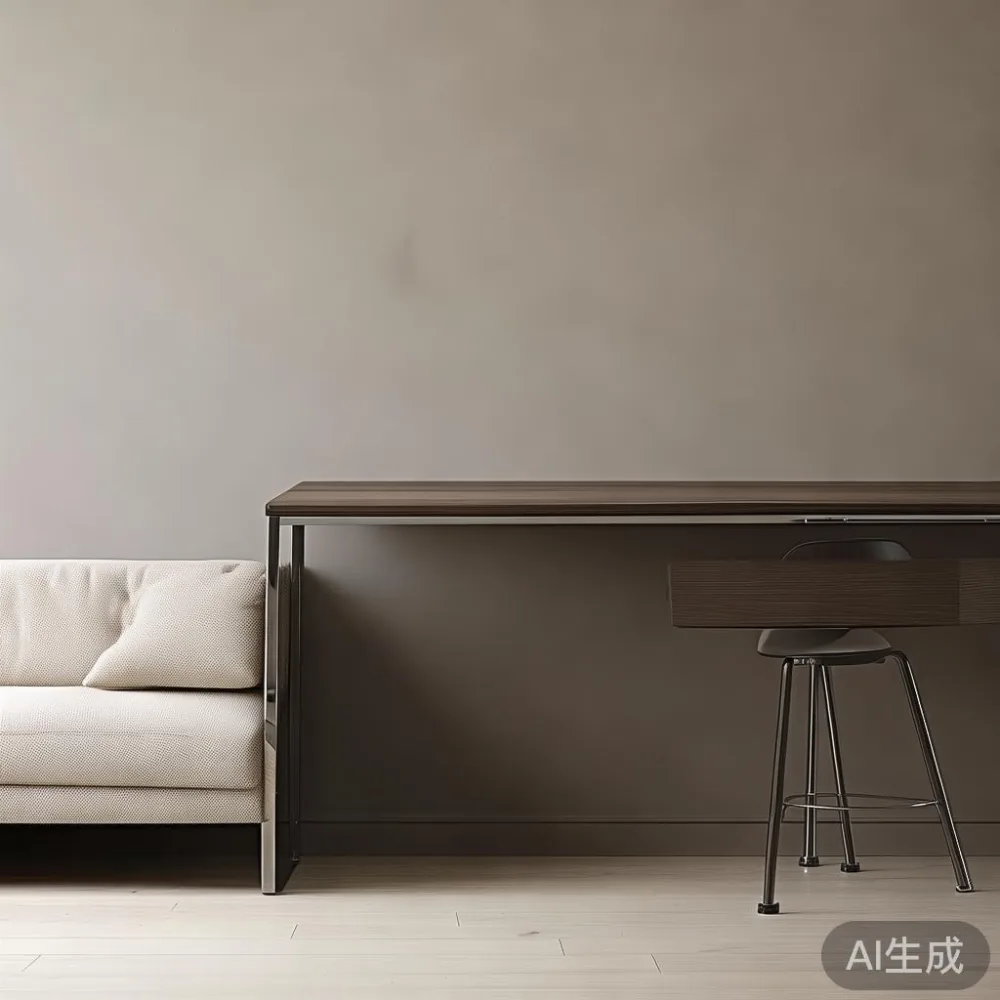
Height changes how the table functions. A conventional dining table generally stands at 72–76 cm high, whereas a bar table usually measures 95–110 cm. This extra height makes it suitable for quick meals, coffee, and standing use at a kitchen pass-through, but it requires taller stools. If the intended use is mainly dining with a sofa or dining chairs whose seat height is around 45 cm, a 95 cm bar table is easier to manage. For standing drinks at a 100 cm kitchen counter, a 105–110 cm bar table feels more natural.
Depth matters too. A 45–50 cm deep bar table offers space for plates and cups without becoming a peninsula in the room. A 35–40 cm depth can work against a wall, while a 55–60 cm depth supports two people sitting opposite each other. Keep at least 75–90 cm clear beside the long side for pull-out movement, and preserve 90–110 cm of circulation behind seated diners where possible.
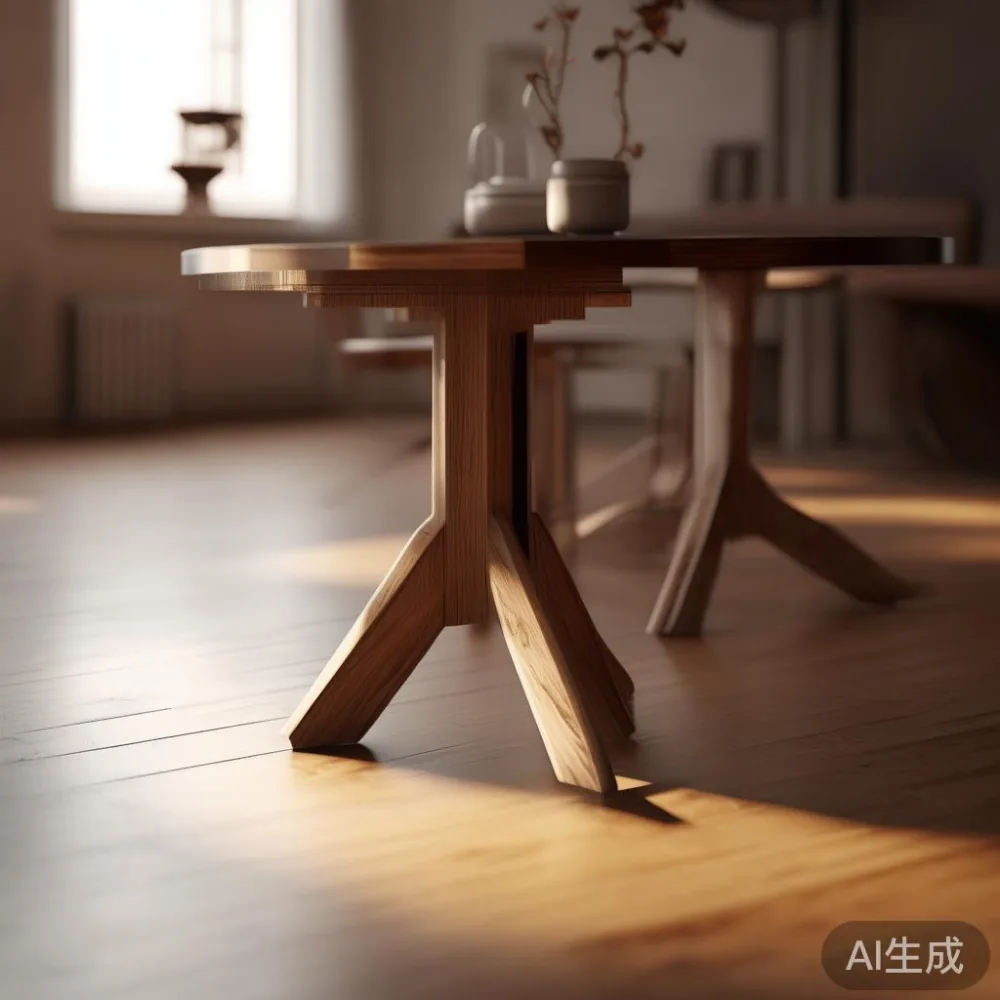
A useful layout rule is to leave 60 cm between the bar table and the nearest major obstruction for a seated diner to pull out. A gap of only 40 cm may look acceptable in an empty room but becomes uncomfortable when someone stands up. Against a sofa, aim for 75–90 cm from the sofa front to the bar table edge. This gives room to sit, place a tray, and move through without constantly negotiating with cushions.
My colleague measured a client's 3-room BTO living area in Punggol last month before ordering. The photograph suggested 155 cm of free length, but the actual usable run was only 124 cm because of a projecting air-conditioning ledge and the sofa arm. We shifted to a 120 × 50 cm bar table and placed it parallel to the sofa. It seated two people, preserved an 82 cm passage, and passed through the building's 82 cm wide corridor corner without scraping the frame.
What size bar table will fit through the lift and corridor?
Measure the narrowest point of the entire route: the lift doorway, lift car, corridor turns, apartment door, and hallway. A table may fit in the lift car but still fail at the doorway angle. For a compact HDB block, the lift car interior is often approximately 90–100 cm wide and 100–130 cm deep, although individual blocks differ. Older or refurbished lift entrances can have narrower clear openings. Do not rely on nominal building information; check the lift plate and ask the property office if the measurements are unclear.
The most reliable method is to compare the table's longest removable component with the shortest clear diagonal or width available. A solid wood bar table with detachable legs can enter more easily than a fixed-base model. Keep the frame at least 5 cm narrower than the narrowest doorway or lift entrance, and account for the trolley thickness, protective wrapping, and the angle required to turn it.
For example, a 120 × 50 cm bar table with removable legs may reach the lift as two 120 cm rails and a 50 cm frame section. If the lift car is 95 cm wide internally, the table can be rotated lengthwise even though its 120 cm length exceeds the car width. A 150 × 60 cm marble table, by contrast, may present a much heavier handling problem. A marble table may weigh 70–120 kg, whereas a comparable solid oak or ash bar table may weigh approximately 28–45 kg. Those figures affect both access and installation.
Protect the route with felt pads on the corners and keep the original packaging. Solid wood can be scratched by lift metal rails, and corners can chip during turns. If the frame cannot be disassembled, use two people and a furniture dolly rated above the piece's weight. Do not attempt to carry a 60 kg stone top upstairs alone.
Should I choose a round, rectangular, or extendable bar table?
A rectangular bar table suits a straight wall or the long side of a sofa. It provides good plate capacity and makes place settings orderly. Choose a model with softened corners if family members will pass close to it. A round bar table, typically 80–100 cm in diameter, is useful in an open-plan condo living area or beside a window, but it can be less efficient against a narrow wall. At 90 cm, a round table offers a sociable footprint for two people; at 60–70 cm, it works more as an occasional side surface with one stool.
An extendable bar table gives a measured HDB resident more control. A 90–110 cm closed length can expand to 130–160 cm when guests arrive. The mechanism should be rated for repeated use, and the extension should sit flush with the main top. Check whether leaves are stored separately; a drawer inside a solid wood dining table is convenient, while stacked leaves under a console may consume valuable floor space.
Shape also affects circulation. A rectangular table placed parallel to a sofa usually preserves a direct walking route. A round table can create a gentle flow around the room, but the chairs project farther than the central pedestal suggests. Include the stool diameter, usually 35–45 cm, in the visual plan. Swivel stools with a 30–38 cm base can save space, and counter stools with a low back may look less bulky than high-backed dining chairs.
Finish should suit the room's light rather than follow a trend without restraint. Pale natural oak and ash can make a darker HDB living area feel more open, while walnut or stained oak gives a compact flat a grounded focal point. French light luxury often combines pale woods, creamy upholstery, and restrained metal details. Post-modern light luxury may pair a solid wood frame with curved edges and simpler profiles. In either case, keep the table visually lighter than the sofa so the eye reads the room as layered rather than crowded.
How do I calculate the space needed for bar stools?
Allow about 60 cm of width per stool at a rectangular table. For a 120 cm table, two stools fit comfortably with 50–60 cm of table edge per person. Three stools may fit physically, but 40 cm per person becomes tight once napkins, phone chargers, and serving dishes are added. If the table has an overhang, stools can tuck in partly, reducing visual clutter.
Seat height is the decisive ergonomic number. A person sitting at a 100 cm high table generally needs a stool seat around 65–70 cm high, leaving 30–35 cm for the thighs. For a 105–110 cm bar table, a 70–75 cm seat is more suitable. If the nearest sofa seat is 43–48 cm high, a 95–100 cm table creates a comfortable 47–52 cm difference. A much greater difference can make the table feel detached from the sofa, especially in a family home where both spaces are used together.
Backrest clearance is another measurement people miss. Leave 20–30 cm behind the stool back to the wall or window if the stool must be pulled out. A window immediately behind a high stool can restrict movement, so position the table with at least 60 cm between the seating side and the glass where possible. Blinds or curtains should open away from the stools.
Look for stable stools with footrests, a weight rating of at least 100–120 kg, and floor glides that protect timber flooring. Backless stools are compact, but a low curved back offers support for longer meals. In a busy household, wipeable upholstery is useful. If the bar table is mainly for coffee and quick dining, a 55–65 cm wide padded seat offers comfort without turning the area into a second dining zone.
What should I look for in a solid wood bar table?
Look for solid wood on the visible and structural parts, not merely a veneer-covered top with a solid wood frame. Ask whether the material is oak, ash, rubberwood, or another species, and whether the top is solid, veneered, or engineered. A 2–3 cm solid wood top feels substantial and can usually be sanded and refinished. Veneer may be perfectly suitable for a stable interior, but its repair cycle differs from solid timber.
Joinery tells a clearer story than decorative labelling. Look for mortise-and-tenon joints, dowels, or confirmations under the table top, and avoid relying on short screws alone at high-stress joints. Check that the apron sits below the user's knees with adequate clearance. A table with a narrow central pedestal frees leg space, while a four-leg frame uses more visual space but may feel more familiar in a dining setting.
Surface finish should be appropriate for Singapore's humid conditions. Water-based polyurethane, hardwax oil, or a similarly sealed coating can be maintained, although each requires its own cleaning method. Ask for the finish specification and a sample if possible. Wipe spills promptly and use coasters, trivets, and felt pads under devices. Avoid leaving damp rings or cleaning the surface with a wet abrasive cloth.
Design references can help create a coherent home. The phrase designer French provincial furniture may bring to mind carved edges and warm timber, but a compact HDB room often benefits from fewer curves and lighter silhouettes. A solid wood sofa in oatmeal, taupe, or pale grey can ground a bar table without overwhelming the seating area. When comparing a French sofa vs Modern sofa, focus on depth and proportion rather than decorative labels alone: a deep French-style sofa may need 100–110 cm from its front to the table, while a tighter modern profile can work within 75–85 cm.
Can a bar table work in a condo living room without making it feel crowded?
Yes, if the table acts as a boundary rather than an island. Place it behind a straight sofa, beside a window, or at the end of a dining recess instead of floating in the middle. Use a slim profile and avoid matching every item in the same finish. A marble table may add a bright, polished accent, but its weight and reflective surface need more careful placement. Solid wood often blends more quietly with a warm HDB interior.
Lighting helps define the zone. A pendant centred about 75–90 cm above the bar table reduces glare and creates a focal point, but ensure it does not obstruct views or interfere with ceiling fans. Warm bulbs around 2700–3000K flatter natural timber. A wall wash or floor lamp can supplement ambient light without adding another bulky object.
For a coordinated but restrained scheme, consider a light luxury coffee table in the main lounge and a taller bar table in the dining recess. Both can share timber tones while differing in proportion. The coffee table should still sit 40–45 cm from the sofa, whereas the bar table needs the larger 75–90 cm gap. Similar colours do not require identical dimensions.
Open shelving nearby can hold glasses and books, provided it does not reduce the passage below 75–90 cm. Closed storage is calmer in small rooms. A slim console can conceal coasters and bar accessories, but avoid placing it behind stools where it blocks legroom. The layout should support everyday movement before it supports a styled photograph.
How much should a quality bar table cost in Singapore?
For a compact solid wood bar table measuring roughly 100–120 cm, expect about SGD 450–900 before delivery. A wider design, thicker timber, more complex joinery, or premium finish can bring the price to SGD 900–1,600. A 140–160 cm extendable solid wood model may cost around SGD 900–1,700. Marble-topped versions can range from SGD 1,200 to SGD 2,800, depending on stone type, base design, and weight.
Compare quotations on total ownership details, not only the displayed price. GST is generally 9% in Singapore, so a SGD 800 item before GST becomes SGD 872. Delivery to the doorstep, assembly, and any lift or corridor surcharge should be stated separately. A product worth SGD 500 that arrives damaged is a poor choice; a higher quotation with clear packaging, installation, and after-sales support may offer better long-term value.
MIDHILL was established in 2008 and exports to more than 15 countries, which is relevant when assessing manufacturing consistency and export-grade quality control. Its 10-year structural warranty and lifetime refinishing service also make maintenance planning easier. Check the warranty document to confirm what “structural” covers and whether moving the table affects coverage. Ask for care instructions specific to the finish, because refinishing terms alone do not explain how often the surface should be protected.
Some retailers include delivery above a stated order value, while others charge a flat fee by building, lift class, and distance. Enter the full address at quotation because access rules can differ between an HDB block and a private condo. A concierge may need to reserve a loading bay or service lift. Ask whether the delivery team carries the piece into the living room or leaves it at the door; that distinction should be recorded.
What are the delivery and return details for a Singapore home?
Allow approximately 7–14 delivery days for a made-to-order solid wood bar table after production and stock confirmation. Ready-stock items may arrive within 3–7 days, but furniture schedules can change around peak periods. For a made-to-order piece, request the expected dispatch date, the logistics company's contact details, and the window for arrival. Someone aged 18 or older should usually be present to receive and inspect the furniture.
Before acceptance, inspect the top, corners, joints, legs, finish, and packaging. Photograph any damage immediately and note it on the delivery record. Do not assemble a damaged frame until the supplier has reviewed the photographs. Keep the protective wrapping until the table is in its final position, particularly through corridors with metal railings.
MIDHILL provides free shipping on orders over US$350, although Singapore orders should be confirmed in SGD at checkout. The company also offers a 14-day return window. Confirm whether a custom-size or made-to-order bar table is returnable and how collection is arranged. A return involving a heavy table may require the same access planning as the original delivery, especially if the building has limited lift capacity.
Plan the delivery route again on the day. Remove any shoe cabinet, slim console, or fragile ornament near the intended table position. Reserve the lift for the agreed time if the property allows it, and protect the corridor floor with moving blankets. This preparation reduces handling time and helps prevent scratches to both the bar table and the building.
How should I style a bar table around a sofa in a Singapore home?
Begin with the sofa's visual axis. If the sofa faces a television, the bar table should sit to one side rather than block the screen. If the sofa faces a window, align the bar table with a nearby dining recess or perpendicular wall. Centre objects on the long axis of the table, not its corners, so the composition remains balanced from the main seat.
Keep the tabletop light. One low bowl, two coasters, and a small plant are enough for a 100–120 cm table. Avoid tall centrepieces that obstruct conversation or pendant-light clearance. A slim pendant at 75–90 cm above the surface works better than a cluster of small lamps. Natural materials such as ceramic, glass, linen, and timber create an American light luxury mood without making the room feel formal.
For the wider seating scheme, references such as how to style American sofa in apartment and how to style Japanese sofa in bedroom show how a specific seat can shape an entire room. Those approaches share useful principles with a bar table: establish a clear visual centre, limit the number of competing patterns, and allow negative space around large pieces. A calm sofa in a neutral fabric can carry more character than a busier upholstered model, especially when the bar table already has pronounced grain.
At the end, conduct a practical test. Sit in every position, place a dinner plate in the centre, and walk from the lift-facing door to the kitchen. Check that the table does not pinch the route, that knees clear the apron, and that the stools can be moved without striking the sofa. A properly sized bar table gives a Singapore HDB living room a distinct social zone while preserving the circulation that makes the home comfortable every day.