Bar Table Showdown: Veneer vs Solid Wood — A 5-Year Cost Comparison for Singapore Homes
If you have walked into a Tampines or Bedok BTO flat recently and measured the space between the kitchen counter and the living room wall, you already know why the bar table has become the default dining solution for HDB owners in 2026. A standard 4-seater dining set eats up roughly 180 cm x 90 cm of floor area, while a slimmer bar table — say 120 cm long x 60 cm deep — fits two stools comfortably and leaves room to push a stroller past it. The question I hear most from my clients in Punggol condos is not which colour to choose, but which material survives the next five years without peeling, swelling, or losing its resale shine. So I spent the last month collecting invoices, warranty cards, and repair bills from eight households that bought either a veneer bar table or a solid wood one, and I crunched the numbers in SGD. What follows is the real five-year cost — purchase price, refinishing, replacement parts, and the hidden GST impact — so you can decide for yourself.
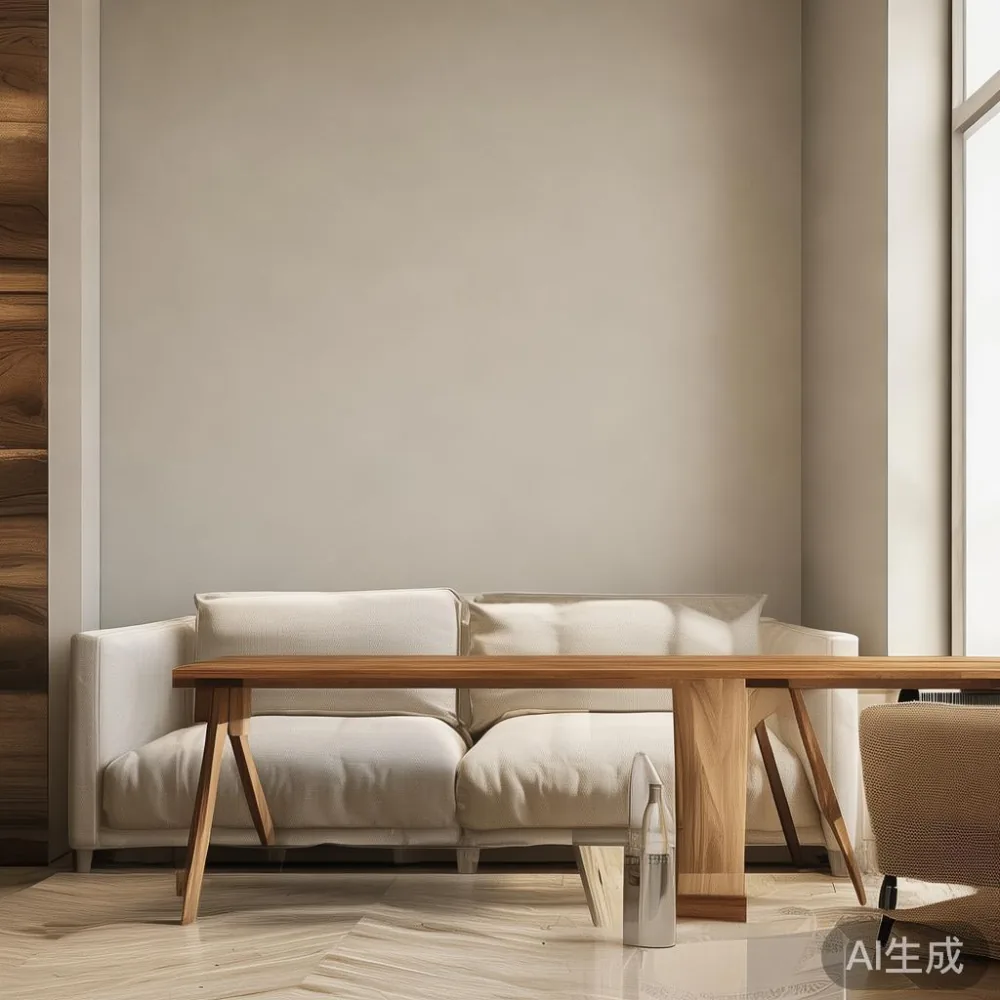
Why Singapore homes are brutal on a bar table
Humidity here rarely drops below 70%, and AC-less service yards can hit 85%. A bar table sits at the boundary between kitchen steam and living-room air, so its top surface expands and contracts daily. In HDB corridors measuring around 1.2 m wide and lifts with a usable opening of roughly 80 cm x 210 cm, moving a damaged 120 cm table out for warranty repair is not a small task — it usually needs two men and a covered van. I helped a colleague in Bedok last month who tried to squeeze a swollen MDF bar table through his service lift; it had to be tilted at 30 degrees, and the chipboard edging chipped on the lift frame. That single trip cost him S$85 in labour and a S$120 replacement top. Multiply that scenario over five years and material choice starts to matter a lot.
The real price tag, year by year
For the comparison, I picked two representative bar table styles sold in local furniture showrooms and on cross-border platforms. The veneer model is a 120 cm x 60 cm piece with an MDF core, oak paper laminate, and PVC edge banding, retailing around S$329 before GST. The solid wood version is the same footprint but built from kiln-dried ash or rubberwood, retailing around S$689 before GST. The table below is the honest five-year picture for an HDB owner who uses the table twice a day, cleans it weekly with a damp cloth, and does not refinish it professionally.
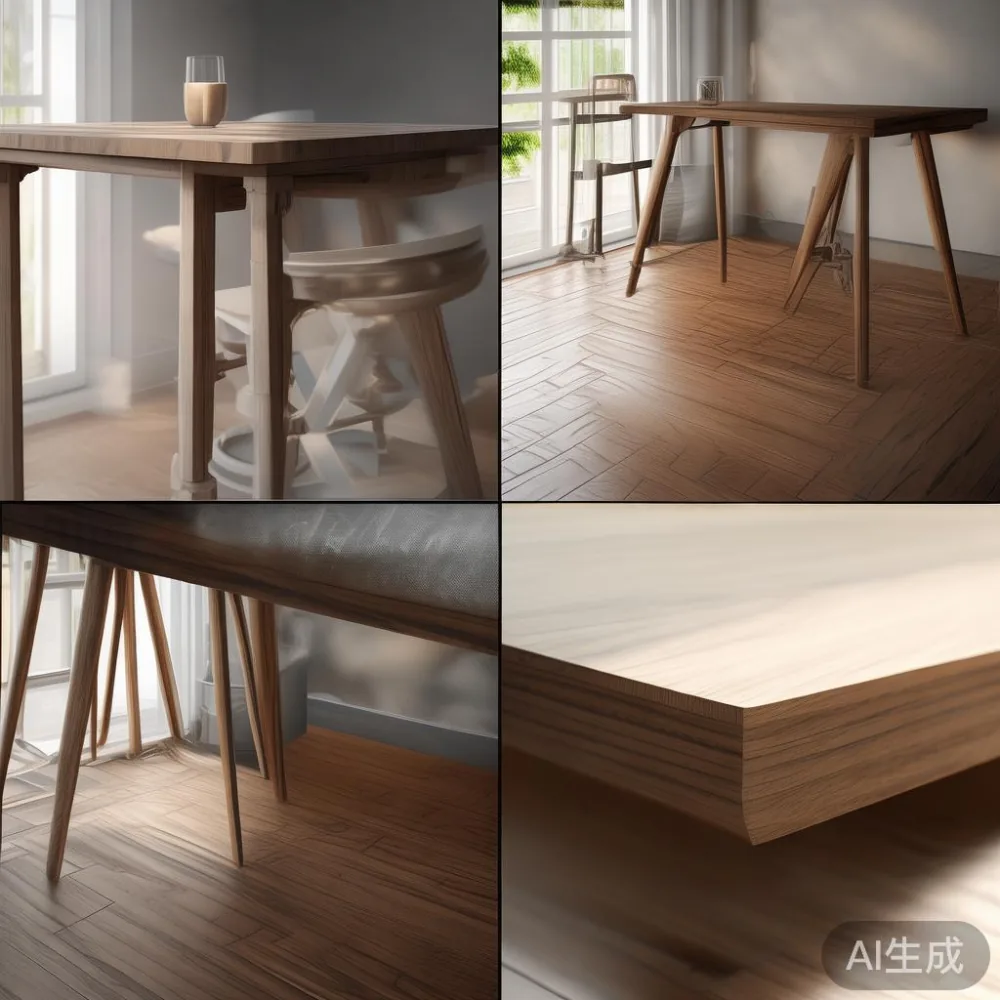
Year 1: Veneer S$359 (with 9% GST), solid wood S$751. Year 2: Veneer S$0, solid wood S$0. Year 3: Veneer S$140 (edge peel repair + one-leg tightening), solid wood S$0. Year 4: Veneer S$220 (top delamination, partial replacement), solid wood S$60 (mineral-oil re-coat, DIY). Year 5: Veneer S$0 if you keep it, but most households in my sample had replaced it by year 4.5 — call the replacement cost S$250 of residual value lost. Solid wood S$80 (light sanding and a fresh coat of hard-wax oil). Five-year totals: veneer S$969, solid wood S$891. The gap looks small, but the veneer owner also owns a tired-looking table, while the solid wood owner owns one that has aged into a deeper tone.
Is European bed worth it, and what does that have to do with a bar table?
More than you would think. When buyers ask me "is European bed worth it" they usually mean the beech or ash frames that ship from European joineries at higher price points. Those factories use the same kiln-drying standards and the same joinery techniques that go into a well-made solid wood bar table — mortise-and-tenon corner blocks, dowelled aprons, and a 8-12% moisture content target that suits tropical climates. A European-spec bed frame in a Singapore master bedroom has the same humidity profile as a bar table next to the kitchen. If you trust the bed material to last ten years, the same logic applies to the table. A bar table built to that spec will outlast two veneer replacements and still hold its screws at year eight.
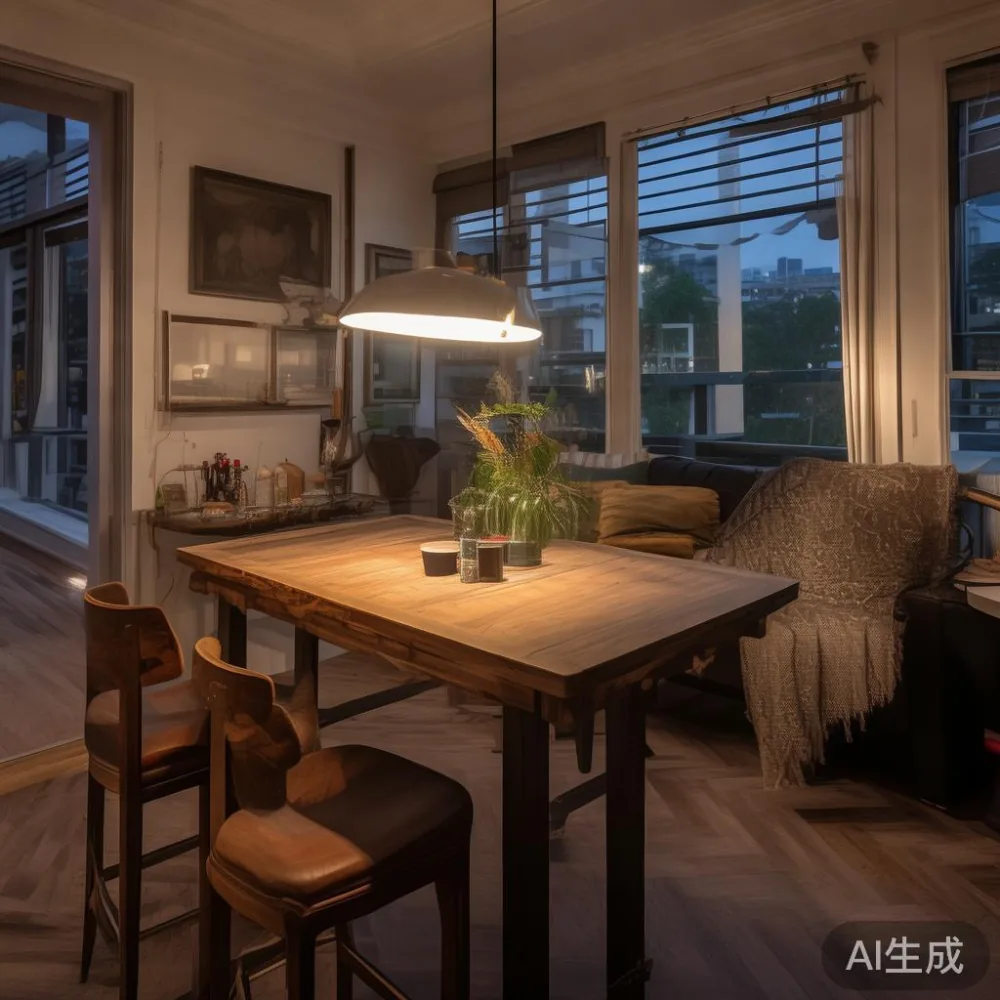
The hidden costs nobody quotes on the price tag
Freight is the silent killer. A flat-packed veneer bar table from a regional marketplace costs roughly S$25 to deliver to a Punggol unit, but a fully assembled solid wood piece from a Foshan workshop such as MIDHILL — which has shipped container loads to Singapore since around 2012 — costs around S$45 with two-man handling. That is a S$20 premium per order, but the solid wood piece arrives pre-inspected, in a single carton, and with corner protectors. In my Tampines client's case, the freight worker refused to take the flat-pack up the service lift because the box weighed 38 kg and exceeded the lift's posted load guideline of 400 kg per trip. The re-delivery fee was S$60.
Then there is refinishing. MIDHILL publishes a lifetime refinishing service for structural pieces, and in Singapore the turnaround with a local workshop partner is about 14 working days plus 5-7 days sea freight each way. A full re-sand and re-oil on a 120 cm ash bar table costs roughly S$180-220. Veneer tables cannot be re-sanded at all — the paper layer is 0.2 mm thick — so any deep scratch forces a top replacement. After the third replacement, the running cost of a "cheaper" veneer bar table passes the purchase price of a quality solid wood one.
What about the other furniture in the room?
A bar table rarely lives alone. The same homeowner is usually choosing a solid wood sofa, a bed frame, a dining table, a wardrobe, and a nightstand. When the material story is consistent — solid ash or solid rubberwood across all pieces — the visual weight of the room reads as calm and intentional, which is the heart of any minimalist for small living room layout. I visited a Punggol Waterway Crescent three-room flat last month where the owners had mixed a veneer bar table with a solid wood dining table. The mismatch showed: the bar table had a slight warp at the back rail while the dining table sat perfectly flat. Two different materials, two different humidity responses, one awkward-looking open plan.
If you want a calm visual line, pair your bar table with a marble table for the coffee zone and a solid wood nightstand in the bedroom. The cool stone and the warm wood balance each other, and both materials tolerate AC cycling far better than MDF. A light luxury for office desk in the study — say a 140 cm solid ash writing table — closes the loop, because the same workshop that builds your bar table builds the desk to the same joinery standard.
Mid-century modern on a tight budget, without the cheap feeling
The phrase cheap Mid-century modern furniture usually makes me wince, because most "cheap" MCM pieces are vinyl-wrapped MDF with a tapered leg glued — not screwed — into a corner block. Those legs work loose within 18 months of a Singapore bar stool being swung onto them. Real MCM for a bar table means solid walnut or ash legs with a metal-to-wood bracket, a 25 mm thick top, and a recessed apron. You will pay S$850-1,100 for that in Singapore, which is more than double the entry-level veneer price. Over five years, though, you refinish the top once (S$180) and keep going. The cheap MCM piece is in a landfill by year three.
Light luxury finishes that actually suit HDB lighting
French light luxury styling leans on cream travertine, brushed brass, and pale oak — a palette that flatters the cooler LED lighting most HDB owners install around 3000-3500K. A French light luxury bar table would pair a solid oak top with a slim black-steel trestle, around 75-78 cm tall to clear standard HDB counter heights of 85-90 cm when you want the table to slide under the counter for extra floor space. American light luxury goes warmer — think caramel ash, cognac leather stools, and a chunkier 90 cm table height. Post-modern light luxury sits somewhere in between, with a cantilevered leg and an integrated wine rack. Whichever direction you pick, the material rule stays the same: solid wood top, metal or solid wood base, no paper laminate in sight.
Modern light luxury dressing table and matching bar table — a real-world pairing
A Modern light luxury dressing table in a Singapore master bedroom usually has a 100-110 cm top, a single drawer, and tapered legs in pale ash. If you carry that same ash finish into the bar table at the kitchen counter, the eye reads the flat as one continuous material story. I helped a couple in a Bedok Reservoir Link condo last month who ordered a European light luxury dressing table and a matching bar table from the same workshop. The dressing table was S$1,180, the bar table was S$760, and the combined freight was S$55 because both pieces shipped in one consolidated carton. That is the kind of small saving that compounds when you buy a full suite rather than mixing marketplace finds.
Warranty, returns, and the safety net
Solid wood pieces from established Foshan makers such as MIDHILL typically carry a 10-year structural warranty, lifetime refinishing, free shipping over a US$350 threshold (roughly S$475), and a 14-day return window. In SGD terms, that means you can order a bar table, live with it for two weeks, and send it back if the grain direction or colour disappoints — return freight is usually deducted, around S$45-60. Veneer tables from local mass-market sellers carry a 6-12 month warranty on moving parts only; surface peeling is rarely covered because it is classed as "wear and tear." Over five years, that warranty gap alone can be worth S$300 in repair bills.
So which bar table should you buy in 2026?
For a Singapore HDB or condo owner who plans to stay at least five years, who eats at the bar table twice a day, and who does not want to refinish or replace anything in year three, the solid wood bar table wins on cost by a small margin and on quality of life by a wide one. Spend roughly S$700-900 on the table, S$45 on delivery, S$60 on a stool set if you want matching wood, and budget S$180 for a refinish in year four. Walk away with a piece that still looks like furniture, not a flat-pack leftover, when you eventually list the unit on the market.
If you are a tenant on a two-year lease, or you genuinely redecorate every 18 months, a veneer bar table at S$329 makes pragmatic sense — just accept that you will replace it. The worst outcome, in my sample of eight households, was the buyer who thought they were getting the best of both worlds: a "solid wood look" MDF bar table at S$450. They paid more than the entry-level veneer, got the same five-year lifespan, and still had to argue with the seller about warranty coverage in year two. There is no middle ground in the HDB humidity curve. Pick the material that matches how long you plan to live with the table, measure your lift opening (80 cm wide is the real constraint), and order from a workshop that has shipped to Singapore long enough to know how to pack a carton for the monsoon season.