Caring for a Lacquered Bar Table in Singapore’s Tropical Climate
A lacquered bar table can bring a polished focal point to a Singapore home, whether it stands beside a kitchen counter in a Tampines HDB flat, lines a dining wall in a Bedok condo, or creates a compact drinks area in a Punggol apartment. The challenge is Singapore’s combination of heat, humidity, ultraviolet exposure, condensation, and frequent contact. A lacquer finish is not maintenance-free, but careful daily habits and a disciplined care routine can preserve its sheen for many years.
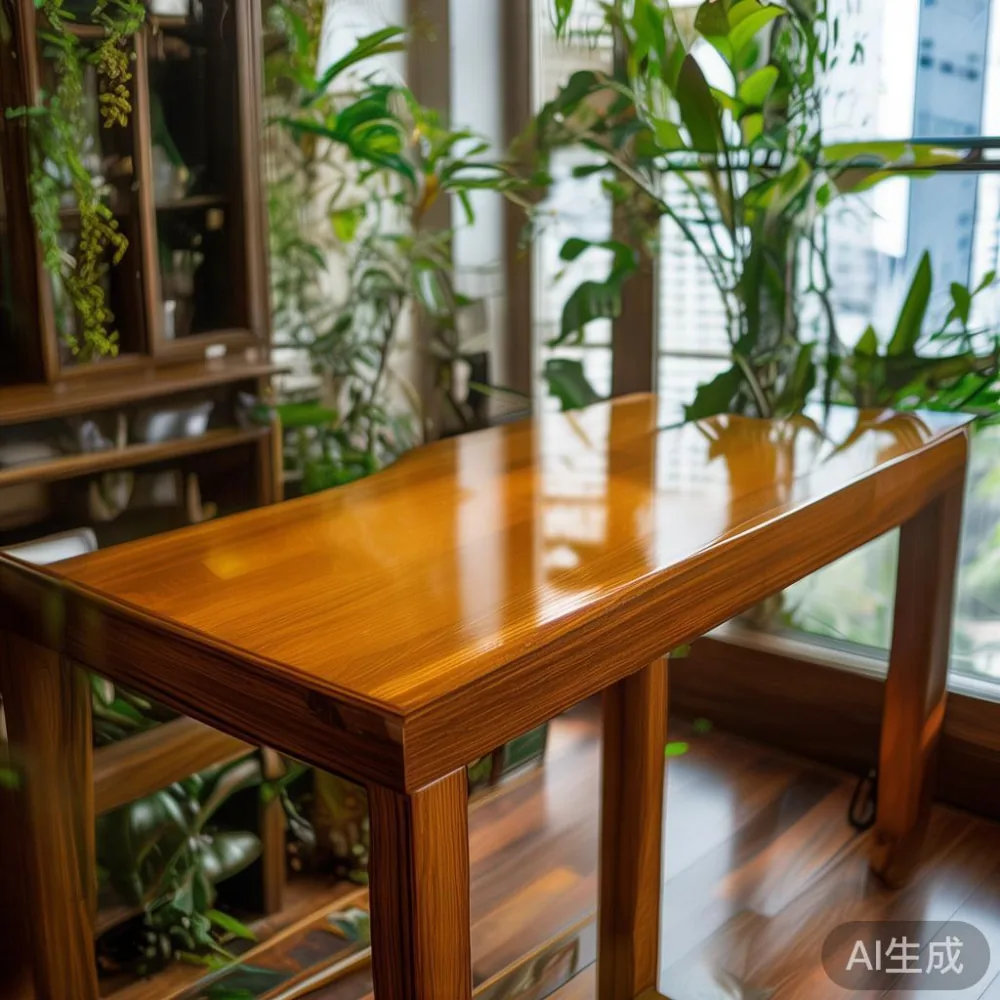
This guide explains how to care for a lacquered bar table in a tropical climate, how to identify small problems before they spread, and what delivery logistics to confirm when ordering furniture from Foshan. It also considers the practical constraints of HDB lift doors, narrow apartment corridors, and local costs in SGD.
What humidity does to a lacquered bar table?
<Singapore’s outdoor relative humidity frequently reaches 80–90%, especially during monsoon periods and at night. Lacquer generally resists moisture better than unfinished wood, but repeated humidity cycling can still affect the substrate, edges, joints, and any areas where the coating was lightly abraded. A bar table should not be treated as though it can remain beside a permanently damp sink or receive cold glasses without a coaster.
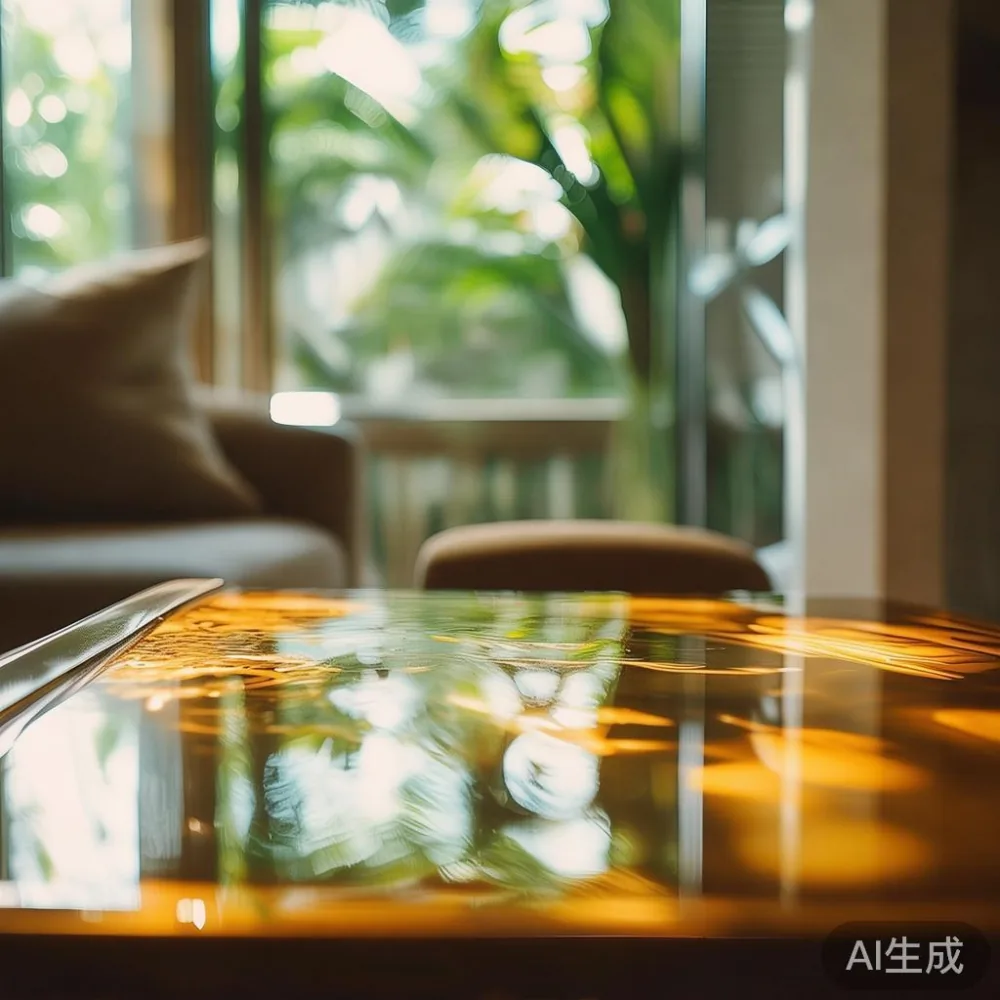
Keep the finish at least 60 cm from a wet sink, 45 cm from a hot cooktop, and 30 cm from an open window where rain-driven spray may reach it. If condensation forms on nearby stone or marble surfaces, wipe it away rather than allowing it to collect at the table edge. For a dining table in a conservatory-style condo, a hygrometer is useful: aim for an indoor reading around 45–60% relative humidity when practical, while recognising that short tropical fluctuations are normal.
Solid wood beneath the lacquer may expand and contract by roughly 1–3 mm across a 120 cm width as moisture changes. That movement is normal. Persistent gaps wider than 3 mm, lifting at the perimeter, or a dull “orange peel” texture deserve closer inspection. Do not immediately blame the lacquer; identify whether the problem is surface contamination, moisture intrusion, a substrate joint, or an unevenly applied coating.
How should I clean a lacquered bar table safely?
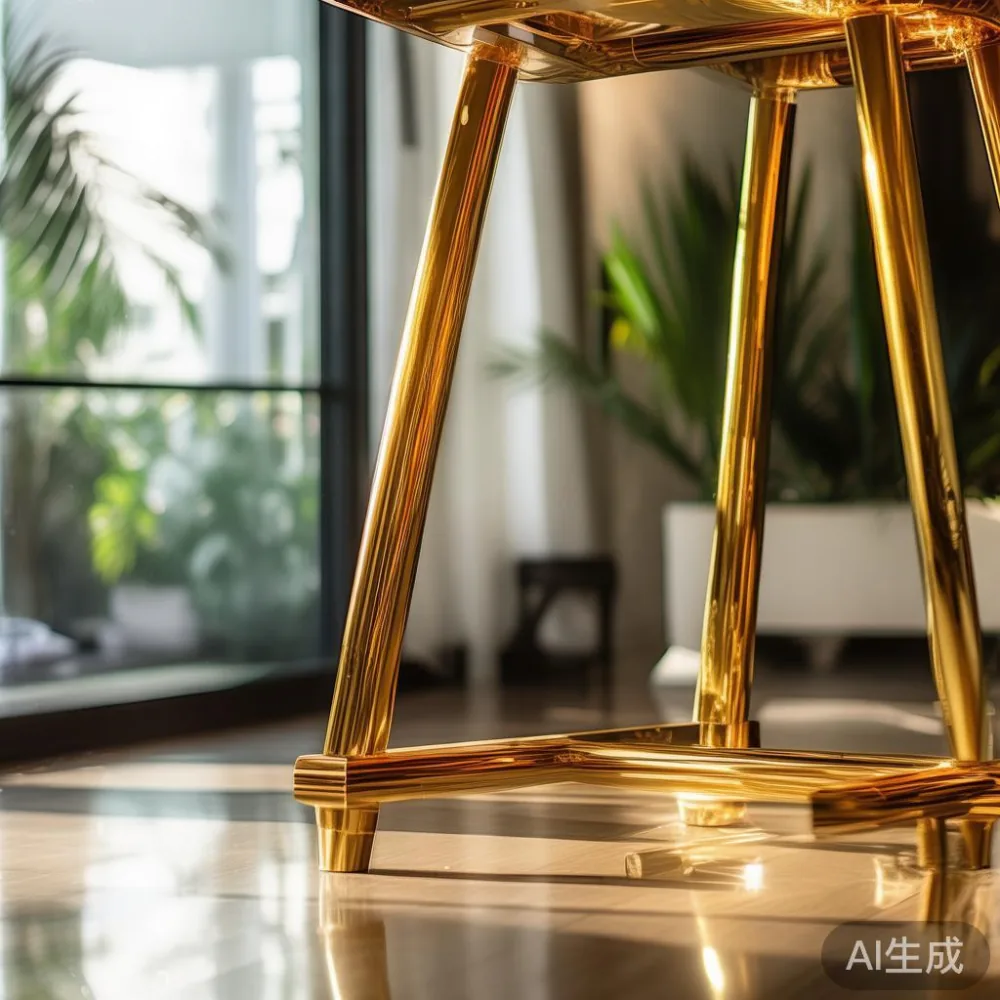
Begin with a dry, soft microfibre cloth. Vacuum or brush away grit before using a damp cloth, because particles dragged across lacquer can create fine scratches. For routine cleaning, use a fresh cloth lightly dampened with plain lukewarm water and a small drop of mild dish soap. Wipe the top with sections of about 50 cm, then dry with a separate clean cloth.
Do not soak the surface. Keep water away from edges, seams, and any exposed joinery, and never use a saturated cloth that can seep beneath the finish. Avoid silicone sprays, ammonia cleaners, bleach, alcohol-based products, abrasive pads, and “furniture polish” containing wax or heavy oil unless the lacquer manufacturer explicitly permits them.
A practical cleaning schedule is:
- Daily: Wipe condensation, fingerprints, and spills with a dry microfibre cloth.
- Twice weekly: Clean with lightly soapy water, then dry immediately.
- Monthly: Inspect the perimeter, underside, and leg joints under good light.
- Every 6–12 months: Check whether touch-up or refinishing is required, especially in high-use kitchens.
Spills should be addressed within 5 minutes. Red wine, coffee, soy sauce, and oily condiments can leave marks if they remain for 24 hours. Blot rather than scrub, lift residue with a barely damp cloth, and dry the area with a clean towel.
Can sunlight fade or amber the finish?
Yes. Ultraviolet light can gradually amber clear lacquer, while heat can make the finish softer and more vulnerable to sticking. Singapore receives strong sunlight throughout the year, and east-facing HDB windows in areas such as Tampines can deliver direct morning sun. Position a bar table away from a window if possible, or use a sheer curtain that filters roughly 60–70% of visible light while allowing ventilation.
Do not place hot appliances directly on the top. A 70°C cup can soften lacquer locally, and a hot casserole dish can leave a lasting ring or depression. Use a trivet or heat-resistant mat with at least 2 cm of clearance beneath hot vessels. Set hot pans on a separate counter instead.
To reduce scratches, place felt or silicone pads under coasters, jars, speakers, and decorative objects. Replace a coaster that has hardened or curled rather than stacking it beneath a fresh one. Lift objects rather than sliding them across the 100–140 cm surface. For households with children, keep the lower shelf uncluttered so toys and keys are not thrown against the finish.
How do small scratches and marks get treated?
Light surface scratches can often be reduced with a clean microfibre cloth and a lacquer-safe polishing product, but test any product on a concealed 5 cm section for at least 24 hours first. Apply only a rice-grain amount, work gently in the direction of the grain or sheen, and remove residue immediately.
Do not sand lacquer by eye. Coarse sandpaper can cut through the film, expose solid wood, and create a pale patch that is difficult to blend. If a scratch catches a fingernail, extends across more than 5 cm, exposes wood, or sits near an edge, professional repair is more appropriate.
Blistering, lifting, or a 10 cm area of dull finish should also be assessed separately from a hairline mark. Blisters often signal trapped moisture or contamination beneath the film. Pressing a blister can enlarge the damaged area. Photograph the problem in daylight, measure its length and width, and record the room’s humidity. Those details help a furniture specialist distinguish a coating defect from movement in the wood substrate.
MIDHILL offers lifetime refinishing for qualifying products, although the exact scope should be confirmed in writing before purchase. Since MIDHILL was established in 2008 and exports to more than 15 countries, buyers should request clear care instructions, finish specifications, and warranty conditions for Singapore deliveries.
How do I fit a bar table through an HDB lift and corridor?
Measure the route before ordering a large bar table. Record the width and height of the lift door, the diagonal depth of the lift car, the apartment corridor width, and the door opening. A typical HDB lift door may be around 70–90 cm wide, while a corridor can narrow to 80–100 cm after turns. These figures vary by block, so measurements should be taken rather than assumed.
For a rigid assembled bar table, a tilted carry can be difficult in a 90 cm lift car. Compare the packed dimensions with the route and ask the supplier whether the table can be partly disassembled. If the top is 120 × 60 cm and the legs detach, the upper section may pass through a lift door more easily; if the top is 140 × 70 cm, diagonal clearance becomes especially important.
Protect the lacquer during transport with felt blankets, corner guards, and stretch film that does not leave adhesive residue. Do not tape directly onto a finished surface. Two-person carrying is sensible from roughly 35–45 kg, with one person guiding the top and the other controlling the base. Staircases and landing turns deserve a site check when the route is tight.
Delivery terms should be confirmed in SGD. MIDHILL provides free shipping for qualifying orders over US$350, but a Singapore buyer should request the final local delivery charge in SGD, including GST, lift handling, and any extra corridor service. Standard production and international transit may take 30–60 days, while stock-ready items may take 7–14 days to dispatch. Local delivery commonly requires another 1–7 days.
Does lacquer fit the style of an Asian urban home?
Lacquered furniture can work well in compact Singapore interiors because its reflective surface feels visually light and its straight profile preserves useful floor area. French light luxury often uses pale woods, restrained profiles, and subtle reflective finishes; American light luxury similarly favours clean forms and warmer neutral tones. A lacquered bar table can bridge those approaches without making a small kitchen look heavy.
Pairing matters more than decoration alone. In a 90–120 cm dining zone, choose a bar table with a slim 4–6 cm apron and legs set inward by at least 8 cm. A seat height of 65–76 cm suits most counter-height seating. A 60–75 cm high stool should leave about 20–30 cm between the underside of the table and the seat for comfort, though exact proportions depend on the stool design.
Near a marble table or pale stone kitchen, a warm oak-toned solid wood frame can soften the coolness of stone. In an open-plan living area, the same bar table can become a casual dining surface without visually competing with a solid wood sofa or bed frame elsewhere in the room.
Design searches often produce broad results such as 2026 Mid-century modern furniture, while questions about a French bed vs French provincial bed concern a different furnishing category. The principle remains useful: compare proportion, material, and finish rather than mixing too many decorative languages. The most coherent setting usually combines one dominant wood tone, one metal accent, and a limited palette of 3–4 colours.
For storage, a wardrobe should relate to the bar table in sheen and grain but remain functionally suited to the bedroom. Searches for the best Japanese wardrobe for 2026 or the best Post-modern wardrobe for 2026 may help buyers evaluate storage layouts, yet a tall cabinet should not crowd a narrow dining corridor. A coordinated nightstand, with a top around 40–50 cm wide, can complete a bedroom scheme without drawing attention away from the bar table. Guidance on how to style European bed in room can be applied with the same restraint.
What should I ask before paying for a lacquered bar table?
Ask for the lacquer type, coating sequence, sheen level, chemical-resistance information, and approved cleaning products. Confirm whether the finish is natural lacquer, water-based lacquer, polyurethane, or another system. “Lacquered” alone is too general for proper care in a humid environment.
Also request the table’s exact dimensions, net weight, floor-loading information, assembly method, and delivery packing list. A 120 × 60 × 105 cm solid wood bar table might weigh 28–40 kg depending on timber and construction. Confirm that the low-level structural warranty is 10 years and review the terms of the lifetime refinishing offer. A 14-day return policy should be checked against the condition of the item and applicable return shipping costs.
For an imported order, ask whether the quoted SGD amount includes GST, import handling, delivery into the apartment, lift booking, and assembly. Production windows, stock status, and compensation for transit damage should be stated clearly. Keep photographs of the packaging and finish, and inspect the table within 24 hours of delivery.
Look for a fine, even finish with no pooling at edges, visible brush marks, bubbles, or pinholes. Under daylight, the sheen should appear consistent across the top. Minor differences in grain are normal in solid wood; abrupt colour changes may be less acceptable, depending on the design intent.
What if the lacquer begins to look tired after several years?
Surface dullness does not always mean the bar table needs complete replacement. Start by testing a clean cloth on the surface. If residue is the cause, gentle cleaning may restore clarity. If a polished area becomes shiny while adjacent sections remain dull, a recoating or professional refinishing service is likely.
Expect lacquer colour to shift subtly with age and light exposure. A change of a few shades over 5–10 years may be gradual and acceptable, but a sharp boundary beside a window can indicate uneven fading. Keep the table away from direct ultraviolet light and avoid placing pale placemats or paper directly beneath objects for long periods.
At the first sign of widespread lifting, stop using moisture-based cleaners and contact the supplier. Do not apply household oil, which can temporarily deepen the colour but may cause further contamination. A controlled refinishing process is safer than repeated attempts to polish a weakened coating.
Used responsibly, a lacquered bar table can serve daily meals, evening drinks, and small work sessions for many years. In Singapore, the most effective care system is simple: wipe spills within 5 minutes, keep standing water away from the edges, control direct sun and heat, use coasters, and inspect the finish every 6 months. Those habits protect both the appearance and the long service life of the table.