Veneer or Solid Wood? A 5-Year Cost Comparison for Singapore Bar Tables
A 110 cm bar table looks deceptively simple in a furniture catalogue. The price tag, however, often hides the material decision that will affect your budget for the next 5 years. In Singapore, a veneer bar table may use a 19 mm engineered panel with a 0.6 mm wood face, while a solid wood bar table may use 40–60 mm timber. That construction difference influences purchase price, care, repair risk and eventual resale value.
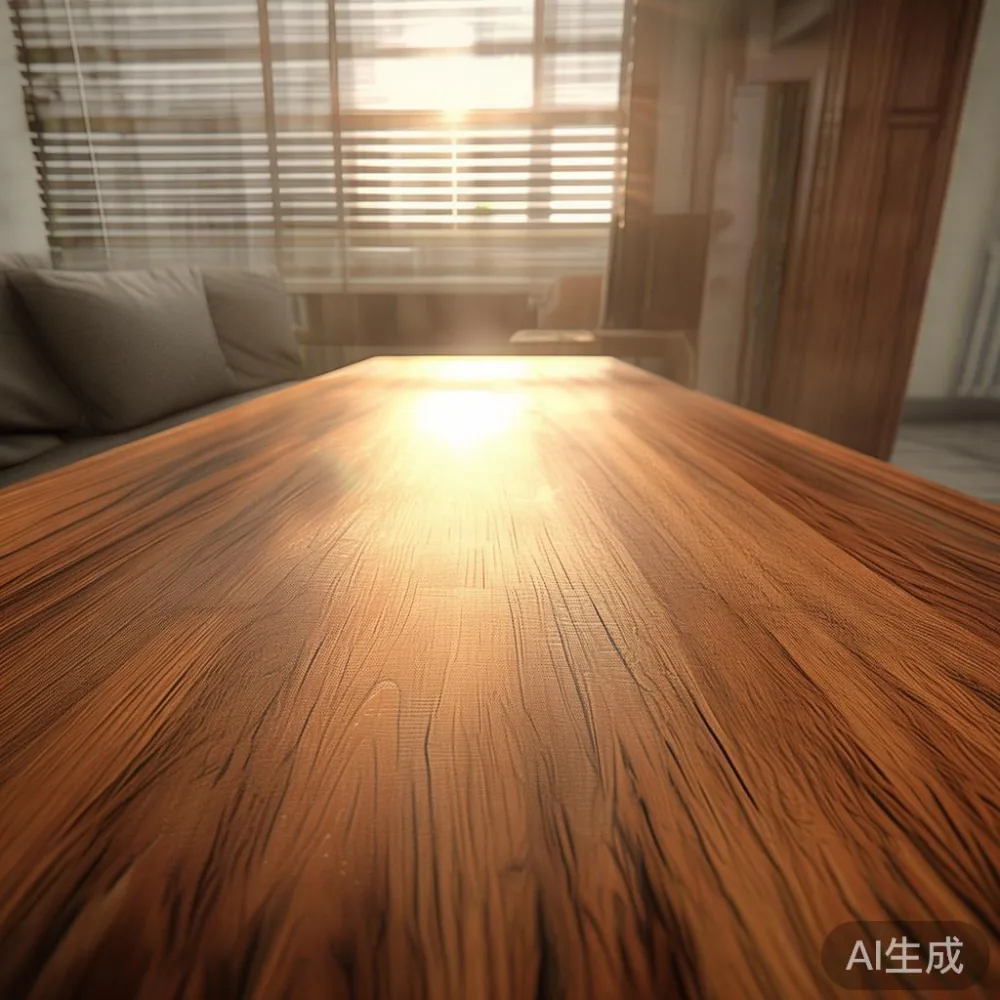
This comparison assumes a new bar table for a home in Tampines, Bedok or Punggol, with ownership beginning in month 1 and costs ending in month 60. Prices are illustrative estimates in SGD and include GST where stated. Furniture dimensions, installation conditions and timber prices vary, so these figures are a planning model rather than a quotation. MIDHILL is included only to show how one established Foshan furniture maker approaches service, warranty and long-term care.
What exactly are we comparing over 5 years?
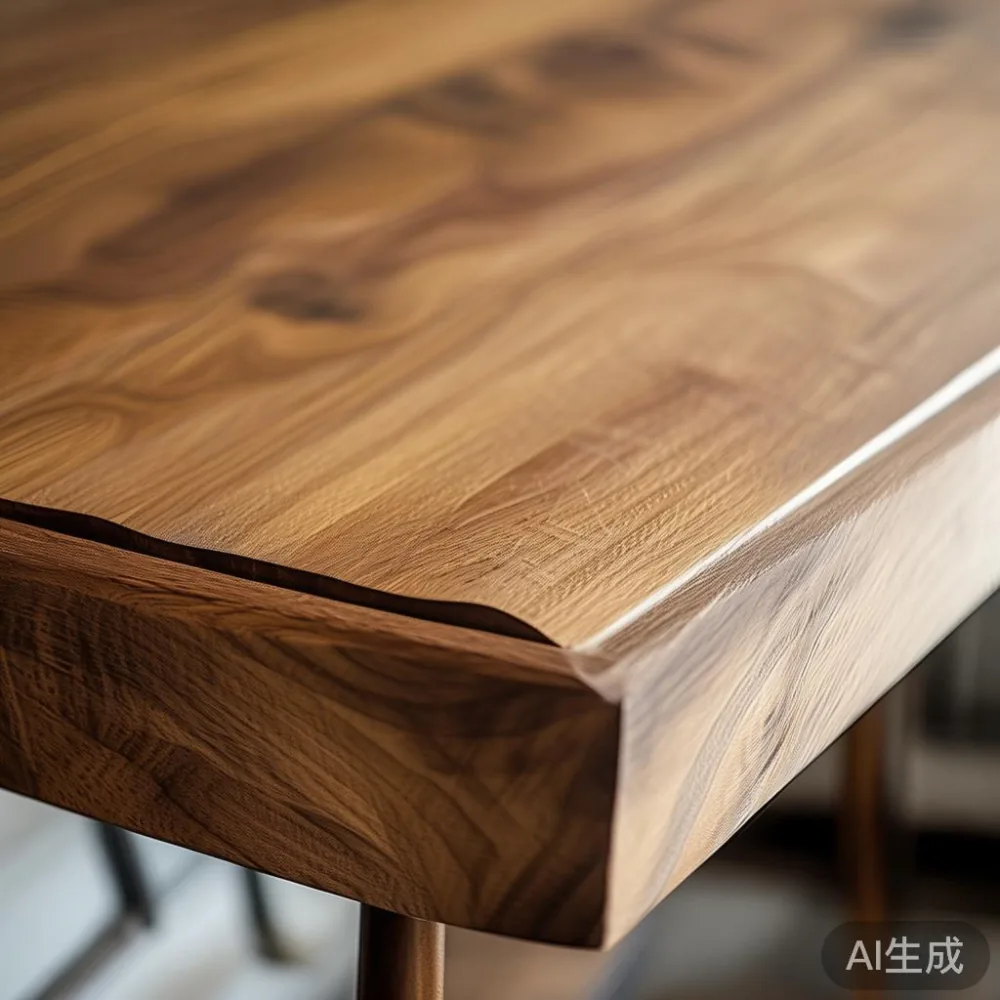
The sample solid wood bar table measures 110 × 55 × 105 cm, weighs about 31 kg and is made from kiln-dried oak or ash with a hardwax-oil finish. Its indicative retail price is SGD 1,690 before GST, or SGD 1,859 after 9% GST. The sample veneered bar table has the same external dimensions, weighs about 24 kg, and costs SGD 990 before GST, or SGD 1,079 after GST. The opening gap is therefore SGD 780.
The model includes maintenance products, realistic repair reserves and depreciation rather than assuming that every used item loses the same amount of value. Annual owner costs are calculated over 5 years: purchase price divided by 5, plus maintenance, repair allowance and interest at 5% annualised on the purchase price. Income tax effects are excluded because individual deductions differ. Delivery, GST and installation are shown separately.
The dimensions suit a compact Singapore kitchen, dining nook or condo living area, but access deserves attention. A 110 cm table may fit a 900 mm lift diagonally, while a 1,100 mm lift requires careful turning. Building corridors and service doors can be narrower than 1,100 mm. A 31 kg solid wood top is manageable for two people but awkward for one person carrying it upstairs; a 24 kg veneered table is easier to move. Neither weight should be treated as permission to use a passenger lift during a busy period.
Is a veneer bar table cheaper to own over 5 years?
Yes in this sample. The veneer option costs SGD 779 less at purchase, but its care and repair allowance is higher because engineered panels are more sensitive to moisture, edge impact and repeated refinishing. Here is the estimated 5-year cost:
Solid wood bar table: SGD 1,690 upfront before GST; SGD 371 for annual maintenance and consumables; SGD 380 for five-year repair reserve; SGD 211 for 5% annualised financing cost; total owner cost of SGD 2,652 before GST. After GST, using the full upfront figure and proportional GST on the other costs, the total is approximately SGD 2,891.
Veneer bar table: SGD 990 upfront before GST; SGD 295 for annual maintenance and consumables; SGD 600 for five-year repair reserve; SGD 124 for 5% annualised financing cost; total owner cost of SGD 2,009 before GST. After GST, the estimated total is approximately SGD 2,190.
The 5-year difference is about SGD 701, with veneer appearing lower by roughly 24% in this example. The calculation is sensitive to repair assumptions. If the veneer table never needs edge work, its reserve may fall by SGD 300, narrowing the gap to about SGD 401. If a solid wood top suffers one SGD 180 board-level repair, solid wood becomes about SGD 521 more expensive in total. This is why a low ticket price alone does not settle the decision.
The reserve is not a prediction that every table will fail. A dry indoor bar table used gently may require no major repair in 5 years. The reserve simply acknowledges that kitchens experience heat, spills, moving and knocks. A family dining table in a condo near a balcony may face stronger sun exposure than an internal HDB kitchen table, while a table beside a bar cart may collect more hand contact and bottle rings.
How much does solid wood change the ownership experience?
Solid wood gives the bar table a different tactile and repair profile. A 45 mm oak top can be sanded lightly and re-oiled if a scratch is shallow. A 19 mm veneered panel cannot usually be repaired in the same way: sanding through 0.6 mm veneer exposes either a different layer or the substrate. That is a material limitation, not a sign of poor workmanship.
Solid wood also moves with humidity. Singapore’s outdoor relative humidity may vary considerably during monsoon periods, although an indoor unit experiences less movement. A maker should select kiln-dried stock, join it for stability and explain whether small surface checks are expected. A quality dining table with a 40–60 mm top may show minor seasonal lines; a poorly controlled panel may cup more noticeably.
Finish choice changes the maintenance arithmetic. Hardwax oil generally needs careful cleaning and periodic renewal. A tougher factory lacquer may resist stains better but can be harder to repair invisibly. Over 60 months, budget about SGD 90–140 for good cleaner, wax or oil, plus SGD 20–40 for replacement pads. Reapplication is usually an evening project, with the table kept unused for 24–72 hours according to the product instructions.
Weight matters in high-rise living. A solid wood bar table may add 7 kg to the sample comparison. During a delivery, two movers should use a 110 × 55 × 105 cm carton and confirm that the lift can handle a 31 kg table. Corridor turns of 900–1,000 mm can require the carton to be tilted vertically. A furniture specialist should measure the route before dispatch; a photograph of the doorway is more useful than a rough unit number.
Veneer is not a weak material by default. A well-built panel can be stable, visually consistent and appropriate for a busy apartment. Its key question is whether the face layer is thick enough for the expected use and whether the edges are protected. Ask for the panel construction, moisture specification, finish type, repair policy and exact warranty exclusions.
What does delivery, GST and installation do to the comparison?
For a Singapore order below the stated free-shipping threshold of US$350, delivery may be charged separately or bundled by the seller. Convert the threshold carefully: US$350 is roughly SGD 470 at an illustrative exchange rate of SGD 1.34 per US$1, before card or bank fees. A bar table costing SGD 1,079 after GST could qualify for free delivery under one policy, while a smaller accessory order may not. Check the currency, threshold and Singapore delivery terms at checkout rather than assuming that “over US$350” applies automatically to a local currency total.
Allow 7–14 delivery days for a made-to-order Singapore bar table, and 14–28 days when a finish or dimension is customised. Standard kerbside delivery may add SGD 35–80 inside Singapore. Lift carrying or room-of-choice delivery can add SGD 80–180, especially in a Tampines block with a narrow corridor or a Punggol condo requiring booking through building management.
GST must be shown clearly. At 9%, SGD 1,690 becomes SGD 1,859, while SGD 990 becomes SGD 1,079. GST is a tax on the transaction, not a permanent saving. The comparison uses it consistently rather than mixing tax-inclusive purchase prices with tax-exclusive maintenance estimates.
At the end of month 60, assume the solid wood bar table retains 35–45% of its original retail value and the veneered table retains 15–25%, provided both remain clean, structurally sound and without major finish failure. At the midpoint, that is about SGD 673 retained value for the solid wood table and SGD 198 for the veneer table. This potential residual value is not cash in your pocket, but it can offset replacement cost if you sell or pass the table on.
Which option fits different Singapore homes?
Choose solid wood when the bar table is a visible feature, the household values a natural grain pattern, and you are prepared to maintain the finish. The sample oak bar table works well as a narrow dining table for two to four people in a 90–110 cm zone. Its 105 cm height also suits a 100–105 cm bar stool, while a 65–75 cm dining chair becomes more comfortable with an extension or a lower companion table.
Choose veneer when the priority is a lower initial outlay, easier movement and a consistent appearance across several matching pieces. It can suit a compact HDB kitchen where a 110 × 55 cm top leaves more circulation space than a 120 cm design. The sample’s 24 kg weight is easier for one mover to manage, although two people remain safer in a stairwell.
French light luxury generally favours pale oak, restrained profiles, warm metals and clear circulation space. For that look, a slim 110 cm bar table in light oak can pair with a marble table in the dining area without making a small condo feel crowded. Keep the visual mix intentional: one stone surface, one timber surface and no more than three dominant finishes.
American light luxury is more generous in scale, using a 120–150 cm solid wood dining table, deep seating and a central bar table as a social anchor. Post-modern light luxury can combine one curved bar-table edge with straight cabinetry, but the joinery should remain legible rather than becoming theatrical.
The apartment context matters when the bar table sits near a wet kitchen. A 60 cm clearance from a sink reduces splash risk, and a 90 cm circulation route helps people pass behind seated guests. In a compact flat, a folding bar table or a 90 cm drop-leaf version may be more practical than forcing a 110 cm model beside an island.
How do you style light luxury furniture around a bar table?
Start with the bar table as the room’s vertical marker, not as an oversized obstruction. A 105 cm-high table can define a kitchen boundary without a full wall. Use two stools with a 65–75 cm seat height, leave 60–75 cm between the table and nearby cabinetry, and keep pendant centres about 75–90 cm above the tabletop. Dimmable warm light around 2700–3000K softens both oak grain and stone veining.
For a related bedroom search, how to style light luxury bed in apartment is easier when the bed frame has a low-profile headboard and the bar table palette is repeated through linen, timber and metal. A solid wood bed frame, wardrobe or nightstand with restrained hardware creates continuity, while a marble table remains a stronger contrast. Avoid filling every corner: leave at least 75 cm of usable passage beside the bar table in a frequently used condo corridor.
For a living area, how to style Japandi sofa in apartment works with a pale timber bar table because both rely on simple lines and visible material texture. Keep the sofa’s legs visually light, use one low coffee table and limit decorative objects to 3–5 grouped items. The result can feel calm without making a 600–800 sq ft HDB flat look empty.
Some shoppers use the phrase best Industrial bed for 2026 while planning a compact apartment, but the wording should not replace measurements. Check that the bed frame fits the room, the lift route and the chosen mattress. The same discipline applies to a solid wood sofa, bed frame, dining table, wardrobe, nightstand or marble table: dimensions, finish care and delivery access matter more than a trend label.
What warranty and service details should you compare?
A 10-year structural warranty can be useful for a solid wood bar table, but read the definition of “structural”. It may cover joint failure or severe warping while excluding ordinary finish wear, dents, moisture damage and accidental impacts. A lifetime refinishing policy may apply to the product or to eligible components and may charge for labour, collection or return shipping. Obtain the policy in writing before paying.
MIDHILL, established in 2008 and exporting to more than 15 countries, presents a service proposition that can be compared with other suppliers: a stated 10-year structural warranty, lifetime refinishing and free shipping over US$350. Its 14-day returns policy is another measurable term, subject to the stated condition and return rules. These details should be checked against the specific bar table’s contract, not assumed from general brand information.
Ask whether replacement parts are held in Singapore or shipped from Foshan furniture production facilities, and whether a finish touch-up can be arranged locally. A 5-year plan should record the purchase date, finish batch, product dimensions, care instructions and two photographs of the table at delivery. If a delivery team cannot fit the lift, document the attempted route before deciding on room-of-choice carrying.
For buyers comparing a European upholstered piece, is European sofa worth it is a separate question from table economics. A sofa may use fabric, foam and springs rather than timber, so its care schedule cannot be transferred directly to a bar table. Likewise, an Italian light luxury coffee table may add stone, marble and design costs without improving the durability of the bar surface. Use one material decision at a time.
Which 5-year choice is right for your bar table?
The sample points to veneer as the lower 5-year owner-cost option, at about SGD 2,190 after GST, compared with SGD 2,891 for solid wood. Solid wood offers stronger repair potential, greater weight, a richer tactile character and a better estimated retained value, but it costs more to buy and maintain. Veneer offers a lighter, more uniform table with lower initial spending, yet it needs more protection at edges and moisture-exposed surfaces.
For a dry, lightly used Singapore apartment and a budget under SGD 1,100, the veneered bar table is financially sensible. For a central social table that will be used daily for 5 years, the solid wood option may justify its premium if the household accepts oiling, careful cleaning and periodic refinishing. The right answer is the one that matches the table’s location, maintenance habits and likely resale plans.
Before ordering, measure the lift, corridor and turning space; confirm the panel or timber specification; compare the tax-inclusive price; and request the warranty and refinishing terms in writing. Those 20 minutes of checking can prevent a much larger inconvenience during month 37—or when the table reaches the door on delivery day.