Styling a Small Singapore Apartment Around a Bar Table Without Crowding the Room
Studio flats in Punggol, three-room HDB units in Bedok, and compact condos around Tampines share the same problem: every square metre is doing three jobs at once. A dining surface becomes a work desk, a console becomes a sideboard, and a bar table quietly takes over the role of kitchen island, breakfast counter, and laptop stand before 9am. The trick is not buying less furniture. The trick is choosing pieces with the right footprint, the right height, and the right proportions so the room reads as intentional rather than cramped.
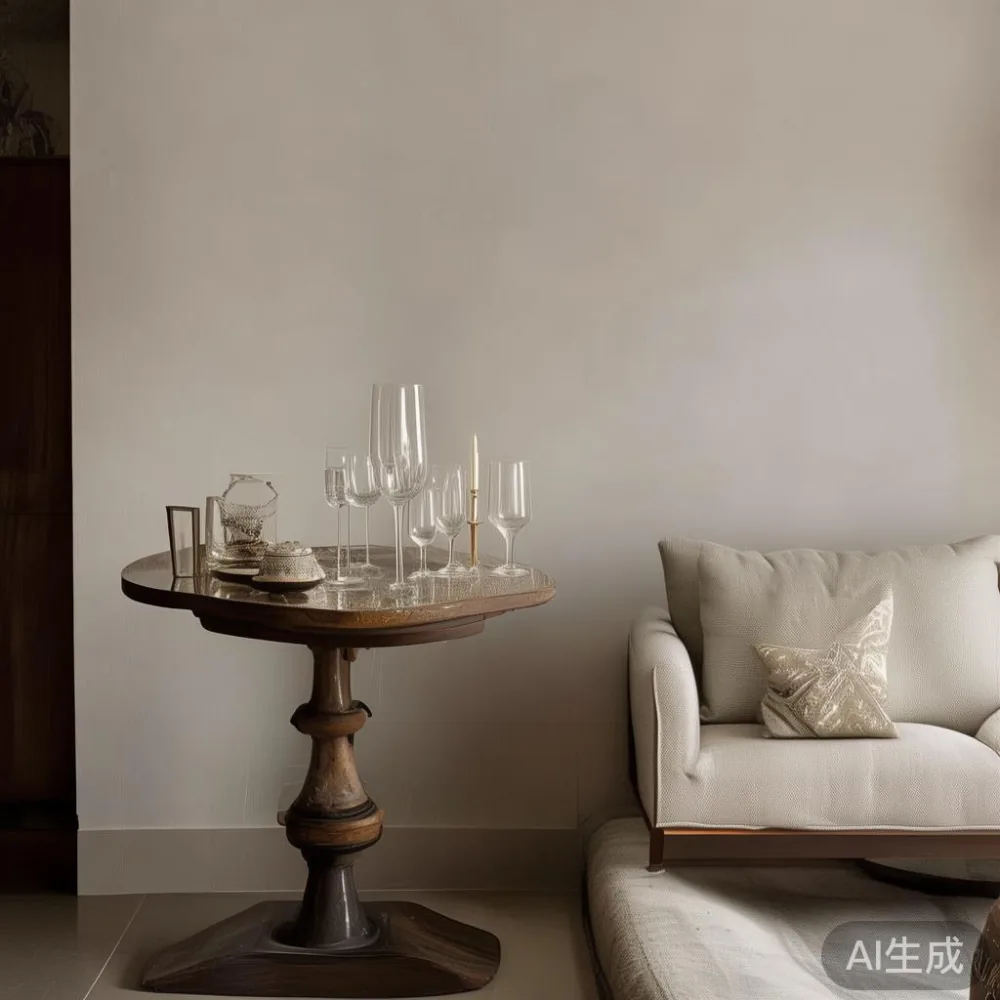
Last month I visited a friend who had just moved into a 48 sqm one-bedder in Simei. She owned a solid wood dining table she could not fit, a marble table she had inherited from her grandmother, and a bar table she had ordered online at 11pm after one too many renovation TikToks. The dining table is now in storage. The marble table sits in the hallway on a slim console. The bar table does 90% of the work, and the flat feels 30% larger than her last place. That visit is the reason for this guide, and it is also the reason MIDHILL keeps showing up in the notes below. Their solid wood bar tables, sold out of Foshan since 2008 and shipped across more than 15 countries, are the kind of compact pieces that solve this exact problem.
Why a bar table works harder than a four-seater dining table in a small HDB
A standard four-seater dining table measures roughly 120cm by 70cm and parks two chairs at each end, which means you need a clear zone of about 240cm by 180cm just to pull a chair out without hitting the wall. A bar table at 120cm by 50cm or 140cm by 60cm needs a much shallower footprint, and the stools tuck underneath instead of swinging sideways. In a 38 sqm HDB living-dining room, that single swap can free up 0.8 to 1.2 sqm of usable floor, which is the difference between a yoga mat rolling out and a yoga mat not.
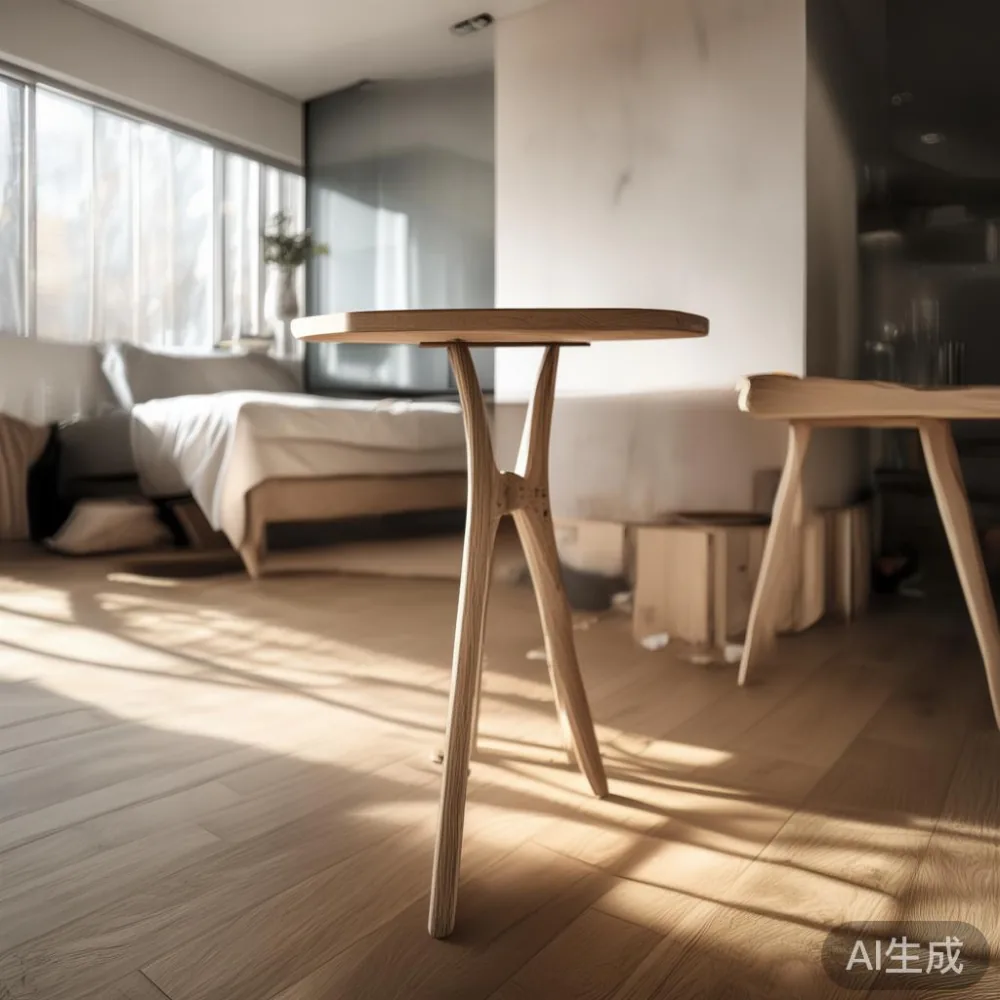
For Singapore lift and corridor access, width matters as much as the room itself. A bar table base under 60cm wide will fit through most HDB service lift doors (around 80cm clear opening) without tipping it on its side, which means fewer delivery day scratches and a lower chance of a S$80 re-delivery fee. MIDHILL ships flat-packed with foam-edged cartons, and my friend's order arrived four working days after dispatch with tracking pings at each stage. Free shipping kicks in above US$350, which at current rates is roughly S$470, so most solid wood bar tables clear that line on their own.
What to measure before you buy (and the 80cm rule nobody talks about)
Walk to your intended spot with a tape measure, not your phone. Singapore resale flats are notorious for narrow dining alcoves, often 1.5m to 1.8m wide. Pull a chair from your existing set and mark how far back it goes when someone stands up. Most people need 70cm to 80cm behind a stool to sit and stand comfortably, which is the buffer you must keep clear between the bar table and any opposing wall, wardrobe, or bed frame.
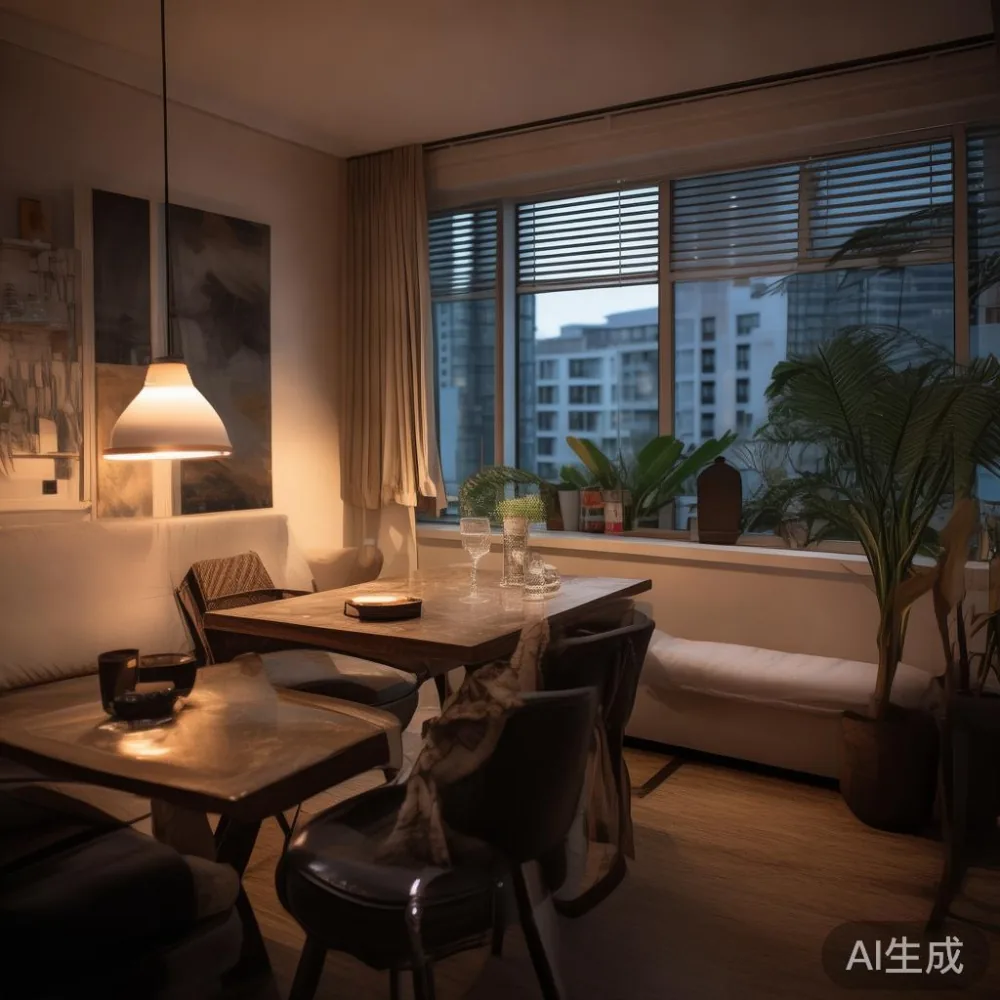
Height is the second number to lock in. Counter-height bar tables sit at 90cm to 95cm and pair with stools that have a 60cm to 70cm seat height. Bar-height tables run 100cm to 110cm and need stools around 75cm to 80cm. Counter-height tends to feel calmer in a small flat because the proportions match standard Singapore kitchen counters at 90cm, which is a subtle visual cue the eye reads as orderly. If your household is taller than 180cm, nudge up to 95cm for comfort; below 165cm, stay at 90cm.
The third measurement is the ceiling. HDB flats in Bedok and Tampines from the late 1990s often have 2.6m ceilings, while newer BTOs in Punggol sit at 2.8m. Anything above that, including a tall pendant, will start to feel oppressive. A 25cm to 30cm diameter shade hung 75cm above the bar table is the upper limit before the room starts to shrink visually.
Choosing solid wood without crowding the room (and why it lasts in Singapore humidity)
Engineered MDF holds up poorly in Singapore once the air-con trips and humidity spikes above 80% RH, which happens most afternoons from June to September. Solid wood expands and contracts with the room, and a properly kiln-dried oak or ash frame will outlast three tenancy cycles. The catch is weight. A solid wood bar table in oak at 140cm by 60cm weighs roughly 28kg to 34kg, which is fine on HDB floors (the loading limit is 150kg per sqm for residential units) but matters when you drag it across laminated flooring. Felt pads cost S$6 and save the deposit.
French light luxury styling suits Singapore flats unusually well. The vocabulary is restrained, the lines are slim, and the palette stays inside warm whites, putty, and aged brass. A French light luxury bar table in whitewashed oak, paired with two bouclé stools at 65cm seat height and a single Travertine marble table lamp on a nearby console, will read as deliberate rather than busy. One colleague in Tiong Bahru runs a 42 sqm rental and uses the same recipe: one solid wood piece per room, nothing matched, everything in the same two-colour range.
Is Post-modern armchair furniture worth it?
Yes, post-modern armchair furniture is worth it in a small flat if you treat it as one sculptural object per room and let everything else stay quiet. Post-modern armchairs tend to have a smaller footprint than traditional club chairs, often 75cm wide instead of 90cm, and the curved or angled lines soften the boxy geometry of HDB layouts. Keep the room's light luxury palette and you will not tip into theme-park territory.
The reason post-modern works in compact Singapore spaces is proportion. A 75cm armchair with a 70cm depth leaves a usable walkway of around 80cm behind it, which is the minimum two adults need to pass without turning sideways. Pair one post-modern armchair with your bar table setup only if the flat is at least 45 sqm; below that, the chair reads as competing furniture rather than a complement, and the bar table should carry the room alone.
Where the bar table earns its keep: five jobs in one footprint
1. Breakfast counter. Two stools, a 30cm deep overhang on the long side, and a single ceramic tray for coffee mugs. Clear the surface by 8.30am and the bar table becomes an empty plinth that visually expands the room. 2. Work desk. A 140cm by 60cm bar table gives 84cm of elbow room per side at a 120cm setup, which is enough for a 14-inch laptop, a notebook, and a cup without overlapping. Counter stools at 65cm with a footrest ring protect your posture over a four-hour block. 3. Bar for two. Friday night, two highballs, a Bluetooth speaker the size of your palm. Bar-height tables at 105cm feel right for this; counter-height feels like a cafe and works against the mood. 4. Buffet line when hosting. A bar table parked 1.2m from a wall becomes a self-serve station for six guests without anyone queuing into the kitchen. 5. Console behind a sofa. Push a 140cm by 50cm bar table flush against the back of a 90cm deep sofa and you have created a writing desk, a drinks surface, and a divider between living and dining in one move.
MIDHILL's bar table range covers exactly these configurations. Their 120cm by 50cm counter-height model weighs 22kg and ships in a single carton, which is one of the reasons Singapore customers in studio flats keep choosing it. My friend's version came in weathered ash, and the grain pattern does the visual work that artwork would otherwise need to do on a bare wall.
What about the rest of the room? A bed frame, wardrobe, and nightstand that do not crowd
The bar table is the headline, but the supporting cast decides whether the apartment feels calm or cluttered. A solid wood bed frame under 160cm wide (a Queen is 152cm by 191cm, but a slim frame can shave 4cm to 6cm off each side) keeps the master bedroom from eating into circulation space. Pair it with a 50cm wide nightstand rather than a 60cm pair, and the room gains 20cm of floor on one side. In a three-room HDB, that 20cm is where the laundry basket lives.
Wardrobes are the silent killers of small bedrooms. A floor-to-ceiling wardrobe at 240cm tall with sliding doors at 180cm wide holds more than a hinged-door unit at 200cm wide because you do not need the 50cm swing clearance. Sliding doors also free the wall opposite the bed for a narrow console or a second bar table used as a dressing surface. For couples sharing, two slim wardrobes 90cm wide at opposite ends of the room read better than one giant 240cm block, and the room keeps its symmetry.
Nightstands should sit 2cm to 4cm below the mattress top. Anything taller blocks sightlines across the bed and makes the room feel like a corridor. A 45cm tall solid wood nightstand with one drawer holds a phone, a book, and a glass of water, which is the realistic nightly inventory for most people. Adding a second drawer or a shelf below doubles the weight and rarely doubles the function.
How to anchor a bar table without making it the centre of attention
Lighting does the anchoring, not the table itself. A single pendant with a 30cm shade hung 75cm above the surface creates a pool of light that draws the eye down and stops the table from drifting visually. In Singapore HDBs with 2.6m ceilings, swap the 1.5m drop cord for a 1m version so the shade sits at 1.6m. Track lighting above the bar table works too, but only if the tracks run parallel to the longest wall, not across it, which would cut the room in half optically.
Flooring matters more than people expect. A rug under a bar table should be at least 30cm wider on each side than the table itself, so 180cm by 100cm under a 120cm by 60cm table. Anything smaller reads as a doormat and shrinks the dining zone. In a HDB with existing floor tiles, a low-pile rug in jute or wool works over vinyl without slipping; rubber mesh underlays at S$12 keep corners flat when the air-con vents point down at the rug.
Common mistakes Singapore buyers make with bar tables
Buying a glass top because it looks lighter. It shows every fingerprint and doubles your cleaning time, which in a small flat means you will start to resent the table by month three. Solid wood with a matte finish hides dust between cleans and ages well over a decade. Choosing the wrong stool height. Counter-height tables with bar-height stools force everyone to perch, and perching kills conversation. Match the seat height to within 2cm of the table height minus 25cm to 30cm. Ignoring the corridor turn. A 140cm table will not make the corner from your HDB corridor into your front door if the corridor is 1.2m wide. Measure the diagonal of the carton, not just the table, and check against the lift door. MIDHILL's customer team sends carton dimensions before dispatch, which is one of those small services that saves a S$120 redelivery fee. Treating the bar table as furniture rather than a fixture. The moment you treat it as built-in, you stop buying things to clutter the surface, and the room stays open.
What about an oversized loveseat for study in the same apartment?
An oversized loveseat for study works in a small Singapore apartment only when the study is a defined zone of at least 2.4m by 2m, which is a rare luxury in a three-room HDB but common in newer four-room BTOs in Punggol. The oversized loveseat, roughly 160cm wide, replaces two separate armchairs and frees 30cm to 40cm of floor compared with a two-armchair setup. Place it against the longest wall, flank it with a narrow 30cm deep shelf instead of a coffee table, and the study stays a place to read rather than a place to work through around.
Care, warranty, and the long game in Singapore's climate
Solid wood wants two things: stable humidity and a yearly oiling. Keep the air-con running between 23°C and 26°C with a dehumidifier in August and September, and the wood will not crack. MIDHILL's 10-year structural warranty covers joint failure and frame warping, and their lifetime refinishing service handles surface scratches, sun bleaching, and the kind of ring marks a wet glass leaves at 11pm. Customers send photos, get a quote, and either drop the piece at their Singapore consolidator or arrange a paid pickup. For a bar table bought at S$780, refinishing at year five runs about S$120 to S$180, which is the cost of a new engineered table and a third of the emotional cost of replacing a piece you have lived with for half a decade.
A quick checklist before you click buy
Measure the alcove, the corridor, and the lift door. Confirm stool height within 2cm of table-minus-30cm. Pick a finish that matches two existing pieces, not all of them. Check that free shipping clears the US$350 (around S$470) threshold so you save the S$40 to S$80 courier top-up. Confirm delivery days, which for Singapore typically run five to seven working days from Foshan via MIDHILL's sea-air hybrid route. Read the warranty card, register the piece online, and photograph the serial number on the day it arrives. Keep the foam packaging for 14 days so the 14-day return window stays open in case the wood tone does not match your wall.
A small Singapore apartment does not need less furniture. It needs furniture that does more in less space, that holds up under humidity, and that ages in a way that adds character instead of clutter. A solid wood bar table, paired with a slim solid wood bed frame, a sliding-door wardrobe, and one sculptural post-modern armchair, will carry a flat through the next tenancy and the one after that. The pieces will outlast three internet trends, and the room will breathe.