The Real Cost of Solid Wood: Unpacking What You're Paying For
When browsing furniture stores in Singapore, especially in areas with diverse housing like the new developments of Tampines or the compact layouts of Bedok HDB flats, you might notice a wide range of prices for seemingly similar items. A simple bar table can cost SGD 300 from one retailer and SGD 1,800 from another. The difference is rarely about the wood alone. The price tag on a solid wood piece is a reflection of a complex journey from the forest to your home, influenced by factors that go far beyond the material itself. Understanding these elements can upgrade your shopping experience, helping you make a confident, informed decision that fits your space, your style, and your budget.
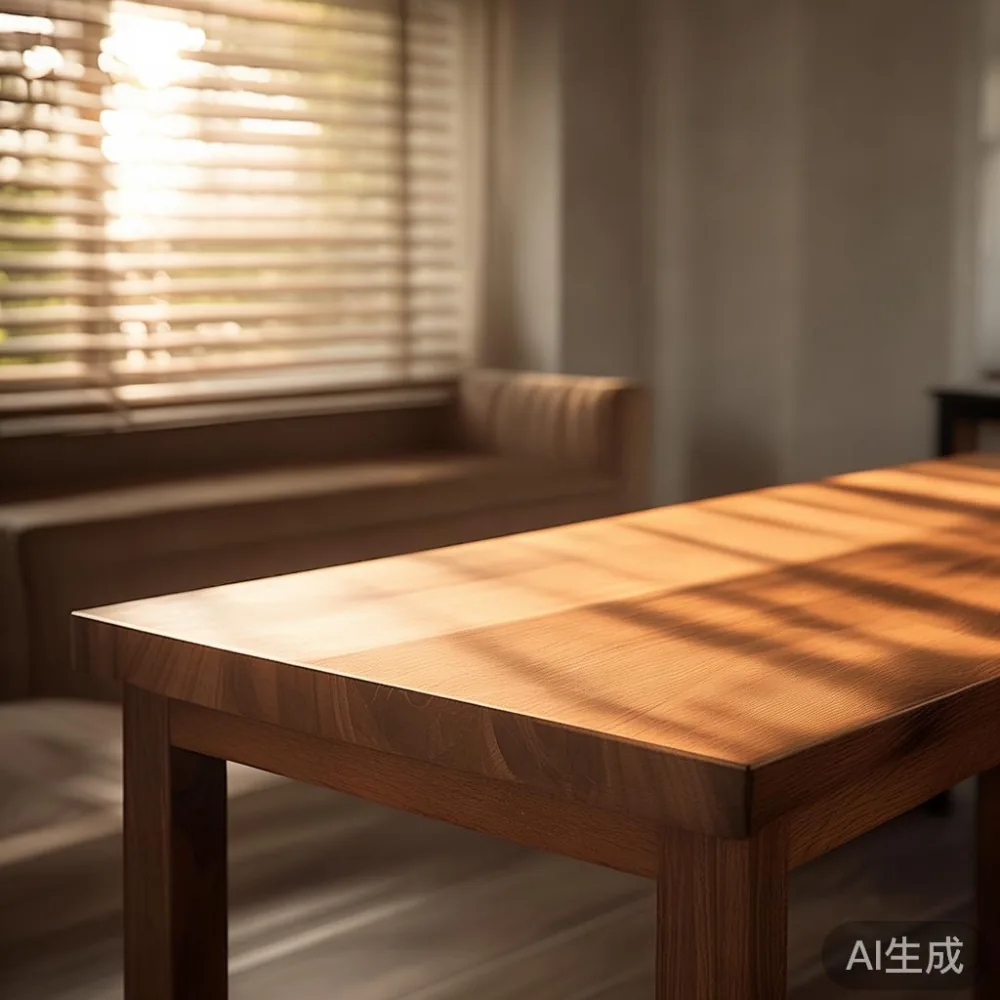
Is a More Expensive Bar Table Really Just About the Wood?
The most common assumption is that the primary cost driver is the type of wood. While the material is a significant factor, it's only one piece of a much larger puzzle. Solid wood furniture, whether it's a dining table, a wardrobe, or a bar table, commands a premium for its durability, natural beauty, and longevity. However, two bar tables made from the same type of solid wood, such as North American oak, can have vastly different prices. This discrepancy points to other, often hidden, components that determine the final cost.
Think of it like buying a car. A sedan and a sports car might both have a 2.0-litre engine, but the price difference is immense due to engineering, design, brand perception, and performance. Similarly, the wood in a bar table is the engine, but the price is shaped by everything around it. We'll explore these factors in detail to give you a clear picture of where your money goes.
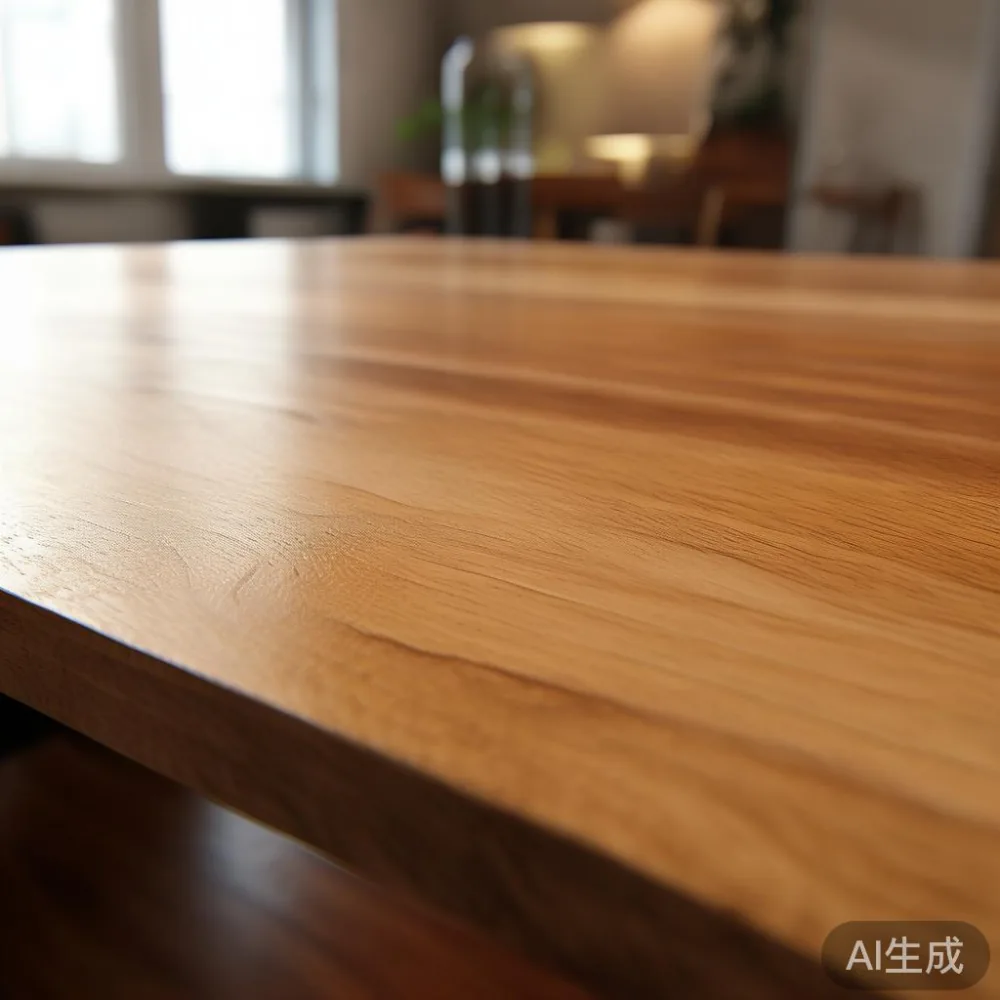
The True Cost of Material: Beyond the Tree Trunk
Let's start with the wood itself. Not all solid wood is created equal. The price is heavily influenced by the wood's origin, rarity, and the specific part of the log used. For instance, European walnut is generally more expensive than oak due to its limited supply and the rich, varied grain patterns it offers. Teak, renowned for its natural oils and resistance to rot, commands a premium, especially for outdoor or high-moisture environments like Singapore.
Another critical aspect is the grade of the wood. Furniture is made from different parts of the tree, each with distinct characteristics. A bar table constructed from 'clear' or 'select' grade wood will be more expensive. This grade means the wood has minimal knots, a consistent grain, and very few natural imperfections. It comes from the heartwood of the tree, the most stable and visually appealing part. In contrast, 'common' or 'character' grade wood, which is perfectly functional but features more knots and grain variations, is less expensive.
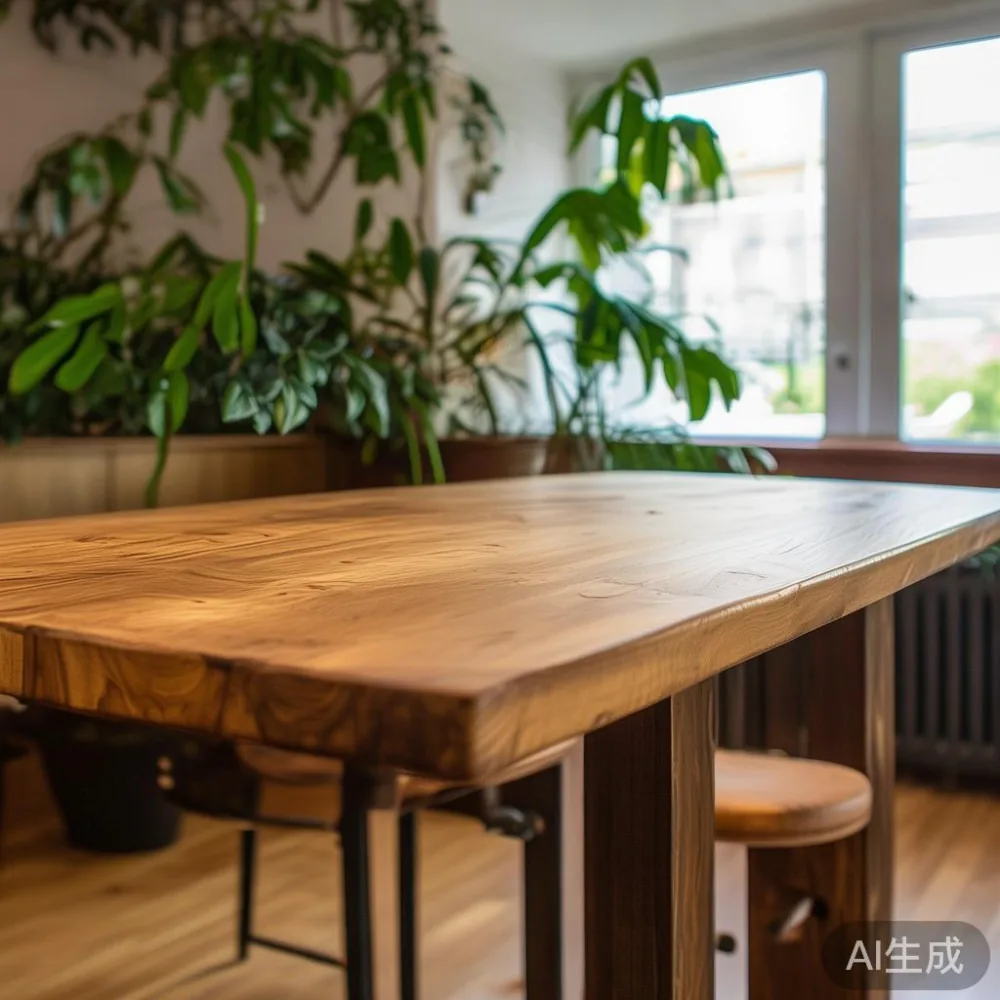
A colleague of mine visited a workshop in Foshan last month and saw this firsthand. He was shown two dining table tops, both made from solid mango wood. The 'select' grade top, with its smooth, flowing grain, was priced at SGD 800. The 'character' grade top, with its rustic charm and visible knots, was SGD 450. The visual difference was clear, and the price reflected that. This is why a simple bar table can vary so much; the quality of the raw material is a foundational cost.
Design, Craftsmanship, and the Hands That Build
Once the wood is sourced, the real work begins. The design and the level of craftsmanship involved are major price determinants. A bar table with a simple, clean design—like a post-modern light luxury style with clean lines and minimalist hardware—will be less expensive to produce than one with intricate carvings, curved legs, or complex joinery.
Consider the construction methods. A high-end bar table will use traditional joinery techniques such as mortise and tenon or dovetail joints. These methods create incredibly strong, interlocking connections that don't require excessive glue or nails. They are labour-intensive and require a high level of skill from the craftsman. Cheaper furniture might rely on simpler butt joints or staples, which are faster to assemble but less durable over time.
The finish also plays a huge role. A simple stain or a clear lacquer is less expensive than a multi-step finishing process that includes staining, sealing, and hand-rubbed wax. This process not only protects the wood but also enhances its depth and lustre. For a piece of light luxury for bedroom, the finish is paramount, as it creates a sense of opulence and refinement. This attention to detail adds significant time and cost to the final product.
Why Does a Bar Table from a Specialist Cost More?
The brand and the retailer's business model significantly impact the price. A brand like MIDHILL, which has been making solid wood furniture since 2008, invests in quality control, sustainable sourcing, and skilled artisans. They also offer a 10-year structural warranty and lifetime refinishing, which are promises that require a solid manufacturing process and high-quality materials to back up. This peace of mind is a part of the price.
Also, consider the logistics. Shipping a bar table from Foshan to Singapore involves international freight, customs duties, and local delivery. For a purchase over SGD 350, many brands offer free shipping, which is a significant value. A bar table can weigh between 15 kg and 30 kg, and a standard dining table can be over 60 kg. Shipping costs for such items are substantial, and factoring them into the price is necessary.
In Singapore, the final price also includes 9% GST. This is a government tax applied to all goods and services. So, a bar table listed at SGD 1,000 has a pre-tax price of approximately SGD 917. This is a mandatory cost that is built into the retail price. Understanding this helps clarify why the numbers you see are what they are.
How Your Singapore Home Affects Furniture Choices and Costs
Your living space in Singapore is a practical consideration that influences furniture design and, consequently, its price. HDB flats and condos, especially in areas like Punggol with its modern high-rise designs, often have specific spatial constraints. A bar table needs to fit comfortably in your home, whether it's in a compact kitchen nook, a balcony, or a living room.
The dimensions matter. A standard bar table might be 75 cm wide and 110 cm long, which is suitable for a small space. However, if you need a larger bar table for entertaining, the size increases, and so does the amount of wood required. This directly impacts the material cost. Also, the design must work through practical realities. For example, a bar table with a pedestal base is often preferred in Singapore homes because it allows for more legroom and is easier to move around tight corners or through narrow corridors.
My own experience with moving into a new condo in Tampines highlighted this. I had to measure the lift and the corridor width to ensure my new dining table would fit. A table that was 140 cm wide was simply too large to fit through the standard service lift. I ended up choosing a more compact 120 cm table. This practical limitation meant I was looking for a smaller, more specific piece, which could sometimes be more expensive due to being a less common size. The logistics of living in a dense city like Singapore add a layer of complexity to furniture selection that is reflected in the market.
Style and the 'Light Luxury' Aesthetic
The style of a bar table is another significant price driver. A piece of furniture is not just an object; it's a design statement. The trend towards 'light luxury'—be it French, American, or post-modern—has created a demand for specific aesthetics that require skilled execution.
A French light luxury bar table, for instance, might feature elegant, tapered legs, delicate carvings, and a soft, distressed finish. Achieving this look requires a craftsman with expertise in traditional French furniture-making techniques. The time and skill involved make these pieces more expensive. Similarly, an American light luxury style might focus on rustic charm with a more substantial, solid feel, using thick slabs of wood and a simpler, more solid construction.
The choice of materials also ties into style. A bar table with a marble top will be significantly more expensive than one with a solid wood top. Marble is a luxury material that adds weight, complexity to the manufacturing process (due to its brittleness), and a high-end feel. The combination of solid wood and marble is a popular choice for creating a statement piece of light luxury furniture. The same applies to other pieces; a light blue luxury sofa or a best Minimalist sofa for 2026 will have different price points based on fabric quality, frame construction, and design complexity.
So, What Should You Actually Pay for a Bar Table?
After considering all these factors—material grade, craftsmanship, design, brand reputation, logistics, and style—the question remains: what is a fair price? There is no single answer, but you can establish a range based on quality tiers.
A lower-priced bar table, perhaps under SGD 500, is likely made from a common wood like rubberwood or a lower grade of oak. The construction will probably use simpler joinery and a basic finish. It might be functional for a few years but may not withstand heavy use or last for decades. This could be suitable for a secondary space or for those on a tight budget.
A mid-range bar table, between SGD 500 and SGD 1,200, typically features a higher-grade solid wood like oak or mango wood. The construction will be more solid, likely using mortise and tenon joints, and the finish will be more durable. This tier offers a good balance of quality and price for a primary living space. It's a piece that can be enjoyed for many years.
A premium bar table, above SGD 1,500, represents the pinnacle of craftsmanship and materials. It could be made from a rare or premium wood like European walnut or teak. The design might be a bespoke light luxury piece with hand-carved details or a marble top. The construction is built to last a lifetime, and it often comes with comprehensive warranties like the 10-year structural warranty offered by some established makers. This is an investment in both furniture and art.
Ultimately, the price you pay for a bar table is a reflection of the value you place on quality, design, and longevity. A bar table is more than just a place to set a drink; it's a centrepiece for your home, a reflection of your personal style, and a long-term investment in comfort and beauty. By understanding what drives the cost, you can make a choice that you will be happy with for years to come, whether you're furnishing a new condo in Punggol or updating a corner of your Bedok flat.