How to Care for a Lacquered Bar Table in Singapore’s Tropical Climate
Singapore’s humidity makes lacquer care more demanding than it is in London, Paris or New York. A bar table near a HDB kitchen in Tampines can collect condensation, cooking vapour and sunscreen residue faster than a table in a dry bedroom. Yet lacquer can remain clear and tactile for years when it is protected with a disciplined routine of wiping, gentle washing and controlled polishing.
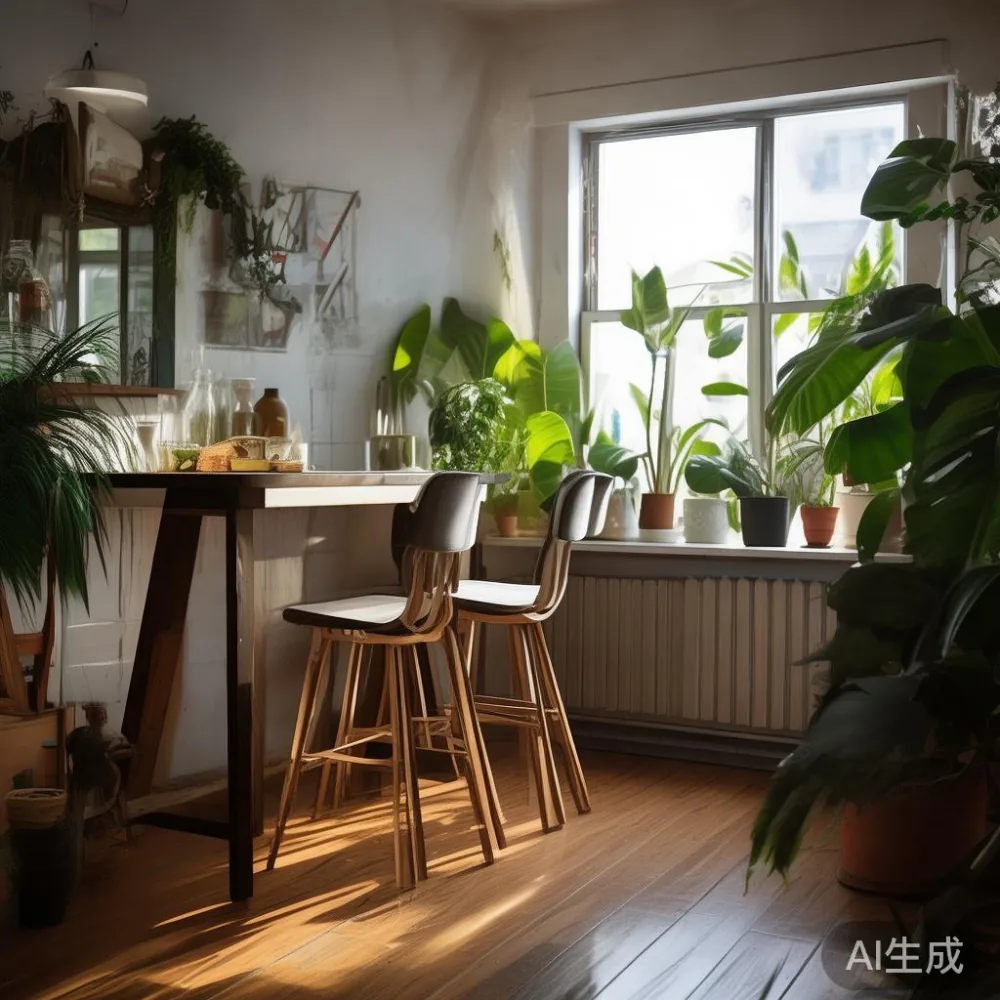
At MIDHILL, lacquered solid wood is treated as a finish that deserves deliberate care rather than a surface to scrub aggressively. The same approach applies across our solid wood sofa, bed frame, dining table, wardrobe, nightstand and marble table ranges: match the cleaning method to the material and avoid shortcuts that dull the sheen.
This guide focuses on lacquered bar tables, including those used in a dining area, home office or compact condo kitchen. It explains how humidity affects the finish, how to clean it safely, what to do after spills, and how to judge when refinishing is warranted.
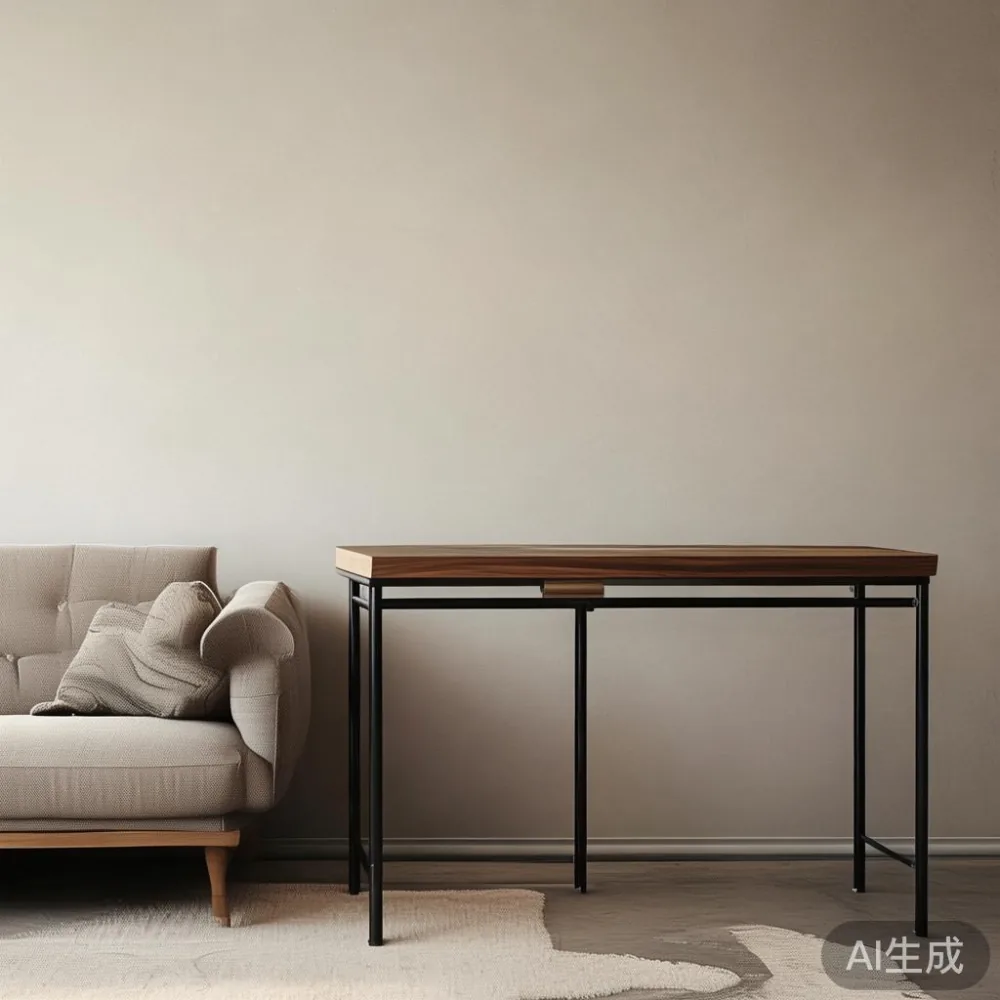
Why does lacquer need special care in Singapore?
Singapore’s warm climate keeps indoor relative humidity refined for much of the year. Air-conditioned rooms may sit near 55–65% relative humidity, while kitchens, balconies and open corridors can exceed 80% during humid periods. Lacquer itself is normally cured and durable, but prolonged moisture exposure can leave a haze, encourage trapped dirt at joints or weaken the interface around an engineered component.
Condensation is especially relevant beside an open window in Bedok or a frequently opened balcony in Punggol. Warm, humid air touches a cooler lacquered surface, and microscopic water droplets form. If sugar from a drink mixes with those droplets, the resulting film can feel sticky within minutes. Wiping only the visible ring may leave a broader dull patch behind.
The goal is not to keep the bar table permanently dry or sealed from the air. It is to reduce the time that moisture, salts, oils and food residue remain in contact with the lacquer. In practice, that means a 2-minute wipe after a spill, a weekly clean with the right cloth and a 3–6-month inspection of edges, joints and undersides.
Temperature changes also matter. A lacquered top moved directly from an air-conditioned living room at 22°C to a sunlit balcony at 32°C may develop visible “sweating.” Avoid moving a loaded bar table between these environments. When relocation is necessary, empty it first, remove detachable items and give it 60–90 minutes to acclimatise.
What is the safest way to clean a lacquered bar table?
Use a clean, white or pale microfibre cloth with warm water and a small amount of mild dishwashing liquid. Mix about 1 teaspoon into a 500 ml bowl of water. Wring the cloth until it is damp, not dripping. Test the solution on a concealed 5 cm area beneath the table, then wipe the surface in the direction of the grain or along the lacquered panel.
After cleaning, wipe again with a second damp microfibre cloth and then a dry cloth. This two-cloth method prevents diluted detergent from being redeposited onto the finish. Do not use a household spray directly on the bar table: overspray can enter joints or form a cloudy ring before the liquid reaches the cloth.
Avoid bleach, ammonia, alcohol-heavy glass cleaner, abrasive pads, steel wool and scouring powder. Although some commercial cleaners may be suitable for a particular lacquer, their solvents can soften or dull topcoats. If a label states that the product is for lacquer, dilute it as directed and still perform a patch test.
Place coasters and trivets under every glass, mug and hot pan. A ceramic coaster should be at least 7 cm across for a typical drink, while a heatproof mat beneath a hot pan should provide a 20 cm-wide barrier. Do not place a chilled glass directly onto a wet ring; remove the moisture first. The bar table can still develop marks from heat, so coasters are more dependable than assumptions about lacquer resistance.
How should I remove spills and sticky marks from lacquer?
Act within 60 seconds when possible. Blot liquid rather than rubbing it across the finish. For example, if red wine touches a lacquered bar table in a condo dining area, press a clean paper towel over the spill for 10 seconds, lift it, replace it with a fresh sheet and repeat 3 times. Then dampen a microfibre cloth with plain water and lift the remaining colour.
Sticky drinks need a slightly different sequence. Use warm water and one drop of mild detergent per 250 ml, apply it to the cloth rather than the table, and make 5–8 gentle passes. Change to a clean damp cloth once the residue lifts. If the mark remains, repeat once rather than increasing the detergent concentration.
Never scrape dried food with a knife or use a plastic scraper forcefully enough to scratch the lacquer. A soft wooden or plastic spatula may lift a loose fragment if the table is protected underneath, but residue should be softened with a damp cloth for 5 minutes. Grease can be lifted with a little diluted dish detergent. Avoid solvents such as nail-polish remover, thinner and paint stripper.
Oil marks from hand cream or sunscreen may need several cleanings. Do not apply oil-based furniture polish to remove them; that can make the spot spread or attract dust. Once clean, leave the area dry for at least 30 minutes before setting down objects.
How do humidity and ventilation affect a lacquered bar table?
Position the bar table at least 30 cm away from a frequently misted kitchen window, and do not leave it under an air-conditioning vent that repeatedly warms and cools the surface. A stable indoor environment between 20–29°C and roughly 45–70% relative humidity is practical for most Singapore homes. Air-conditioning can improve conditions, but aim for moderate rather than extreme cooling.
In an HDB flat, a compact bar table may sit between a kitchen and dining zone. Run the extractor hood for 10–15 minutes after cooking, close windows once the outdoor air is very humid, and keep the table away from the sink splash zone. A simple splash guard 8–12 cm high can reduce exposure during washing, particularly for a narrow bar table with a lacquered edge.
For natural light, keep the table out of direct afternoon sun where possible. UV exposure can fade colour and affect gloss over time. Curtains fitted close to the glazing help, but they must not touch the bar table. In a Tampines flat with east-facing windows, rotate the position of stools or accessories every 2–3 months so one section does not receive disproportionate light.
Lift and corridor widths matter during delivery as well as installation. A bar table should be carried through common HDB access routes with at least 5 cm clearance around door handles, but narrow turns may require the top to be separated from its base. Check the packaged dimensions before delivery day. MIDHILL can discuss delivery arrangements, and orders above US$350 qualify for free shipping, though local GST and delivery specifics should be confirmed at checkout.
How often should lacquer be polished, and which products are safe?
High-gloss lacquer generally needs less polish than oiled wood because the finish already has a reflective surface. Over-polishing can create fine circular scratches, especially under warm lighting. For a lightly used bar table, inspect it every 3 months and polish only when the sheen has become visibly uneven. For a busy kitchen bar, a 6-month interval is usually sufficient.
Use a lacquer-specific polish containing a very mild abrasive, following the product instructions. Apply only 3–5 drops to a clean, soft cloth, then work over an area of roughly 20 cm for 20–30 seconds. Test the product beneath the table first and allow the treated section to haze before buffing it dry. A white cloth should remain clean; if it turns grey, stop and inspect the surface in good light.
Do not use furniture wax unless the manufacturer confirms compatibility with the lacquer. Wax can collect in joints, make fingerprints more visible and complicate later refinishing. For a satin finish, skip polishing unless a repair is needed, because abrasive polishing can change matte patches into glossy ones.
French light luxury interiors often rely on clean lacquer planes and precise metal details, while American light luxury designs use a softer mix of cream tones and tactile finishes. In either language, a well-maintained bar table becomes part of the room’s visual calm rather than a surface demanding constant attention.
What are the signs that a lacquered bar table needs refinishing?
Minor haze, a few fingerprints and isolated water rings normally indicate cleaning rather than refinishing. Deep scratches that expose brown wood, lifting at an edge, widespread blistering or a finish that no longer responds to careful cleaning point to a more involved repair.
Compare the bar table with a photograph taken under daylight once every 6 months. Look for scratches longer than 3 cm, pale areas larger than 10 cm across, or changes visible from a seated distance of 1 metre. These are useful thresholds for checking, not automatic repair limits. A superficial scratch may be treated separately, while a lifting edge usually requires sanding and recoating.
Light scratches can sometimes be addressed with a lacquer repair kit matched to the sheen. Test on the underside first and use the least abrasive treatment. Deep gouges need a controlled sanding-and-recoat process. For solid wood construction, water ingress should also be checked around joints and underside seals; trapped moisture can affect the substrate as well as the surface film.
MIDHILL provides a 10-year structural warranty and lifetime refinishing for eligible products, with the precise scope confirmed in the purchase documentation. That structural coverage is separate from accidental damage, drink spills, direct heat or misuse. The lifetime refinishing commitment is one reason finish care matters: a sound body should be maintained carefully before restoration is needed.
Can a lacquered bar table fit into a small Singapore home?
Yes, if the dimensions are chosen around the route and the eating position. A bar table measuring 100 × 45 cm with a 105 cm-high top can suit a compact dining corner for 2 people. A 120 × 50 cm top offers more elbow room for 2–3 people, while a 140 × 55 cm model accommodates a small group without becoming a dining table.
Allow at least 60 cm of clear walking space behind seated users and 75 cm where a corridor passes behind the table. In a narrow condo, a slim top with a central pedestal may work better than four widely spaced legs. Check that stools can be moved without striking a nearby wardrobe door, and measure the lift opening plus the narrowest corridor turn before delivery.
A bar table should not be positioned where it obstructs an HDB fire escape route or blocks a common corridor outside the unit. For a home in Bedok, a 90 cm-wide table may suit the dining bay, whereas a 60 cm-deep version can preserve circulation in an open kitchen. These figures should be checked against the actual room rather than estimated from a floor plan.
The wider design language can include designer European light luxury furniture, an Industrial for dining room scheme or a restrained post-modern light luxury palette. A compact bar table can also be paired with a solid wood sofa, bed frame or nightstand nearby, provided the lacquer is protected from direct cooking vapour.
How do I protect the lacquer while styling my apartment?
Use the same practical discipline you would apply to a marble table. Although marble tolerates heat differently from lacquer, both finishes benefit from barriers. Keep a heatproof mat under a hot pan and a coaster under every glass. Do not hang damp towels over the bar table edge, and avoid styling it as a plant stand unless a waterproof tray is used beneath the pot.
A light luxury accent chair may look attractive beside a bar table, but its casters should not scrape the floor into the table legs. If you are considering how to style American sofa in apartment layouts, coordinate the coffee table and bar area so the lacquered surface is not used as an improvised serving station during a gathering.
For nearby storage, a best American wardrobe for 2026 concept should include closed doors for oils and sprays, while a best Post-modern wardrobe for 2026 direction can use clean lines that complement lacquered panels. Store cleaning chemicals in a separate cabinet, upright and away from heat. This matters in a humid condo where aerosol particles and accidental leaks are more likely to settle on exposed surfaces.
At a dinner party, designate one drinks zone away from the dining table. Set out 1 coaster per guest plus 2 spares, and keep serving dishes on trivets. Wipe the bar table before guests arrive, then check it again after the first drink is poured. That 60-second habit prevents one sticky ring from becoming a 20 cm haze.
What should a Singapore buyer check before delivery and after installation?
Before delivery, confirm the packed dimensions, route and access method. A sofa or bed frame may require different handling from a bar table, so check the narrowest lift doorway, corridor width and turning radius rather than relying on the building’s floor area. Add at least 10 cm to the packed measurement when assessing a tight turn. For fragile lacquered panels, photograph the packaging on arrival and inspect for impact before the item is moved indoors.
After installation, let the bar table rest in its final position for 2–4 hours before loading it with objects. This allows temperature differences to settle and gives you time to inspect the surface. Keep the first 48 hours free of hot dishes, damp plants and direct sunlight. Use coasters from the beginning rather than waiting for the first mark.
Returns are available within 14 days under the applicable terms, and orders over US$350 qualify for free shipping. GST and the final Singapore delivery charge should be shown or confirmed before payment. Typical preparation and delivery timing may vary by configuration and destination; allow 14–30 days for made-to-order pieces unless a written date is provided.
My colleague tested a lacquered sample last month in a humid room near a west-facing window. After 21 days of daily coffee-ring exposure, the untreated patch developed a visible haze, while the protected sample remained clear. That is why the most effective routine in Singapore combines coasters, ventilation, prompt wiping and restraint with polish.
A lacquered bar table can remain inviting for many years when treated as a working surface rather than an ornament. Use mild cleaning, keep water and heat under control, inspect twice yearly and avoid untested solvents. The reward is a smooth finish, a calm dining corner and fewer reasons to call a repair specialist.