Bar Table: What Actually Drives the Price of Solid Wood Furniture?
A solid wood bar table can cost S$420 from one workshop and S$1,680 from another, yet both descriptions may sound credible. The difference is rarely explained by the word solid alone. Timber species, board dimensions, joinery, finish, hardware, design complexity, packing, and delivery all affect the final invoice. For Singapore buyers furnishing an HDB flat or condo in Tampines, Bedok, or Punggol, those differences matter because a poorly proportioned piece must still fit through the lift, corridor, and doorway.
MIDHILL was established in Foshan in 2008 and exports to more than 15 countries. Its 10-year structural warranty and lifetime refinishing service reflect a practical approach to furniture longevity, but neither replaces the need to understand how a price is built. Below is a material-focused guide to comparing solid wood furniture without relying on vague luxury language.
Is solid wood always the most expensive part of a bar table?
Not necessarily. Solid wood often sets the material baseline, but labour can become the larger cost on a sculptural design. A 120 × 60 cm bar table with straight legs, mortise-and-tenon joints, and a simple lacquer finish may be relatively economical. A 160 × 80 cm table with curved edges, carved details, inset stone, and concealed cable management can require many more hours before packing.
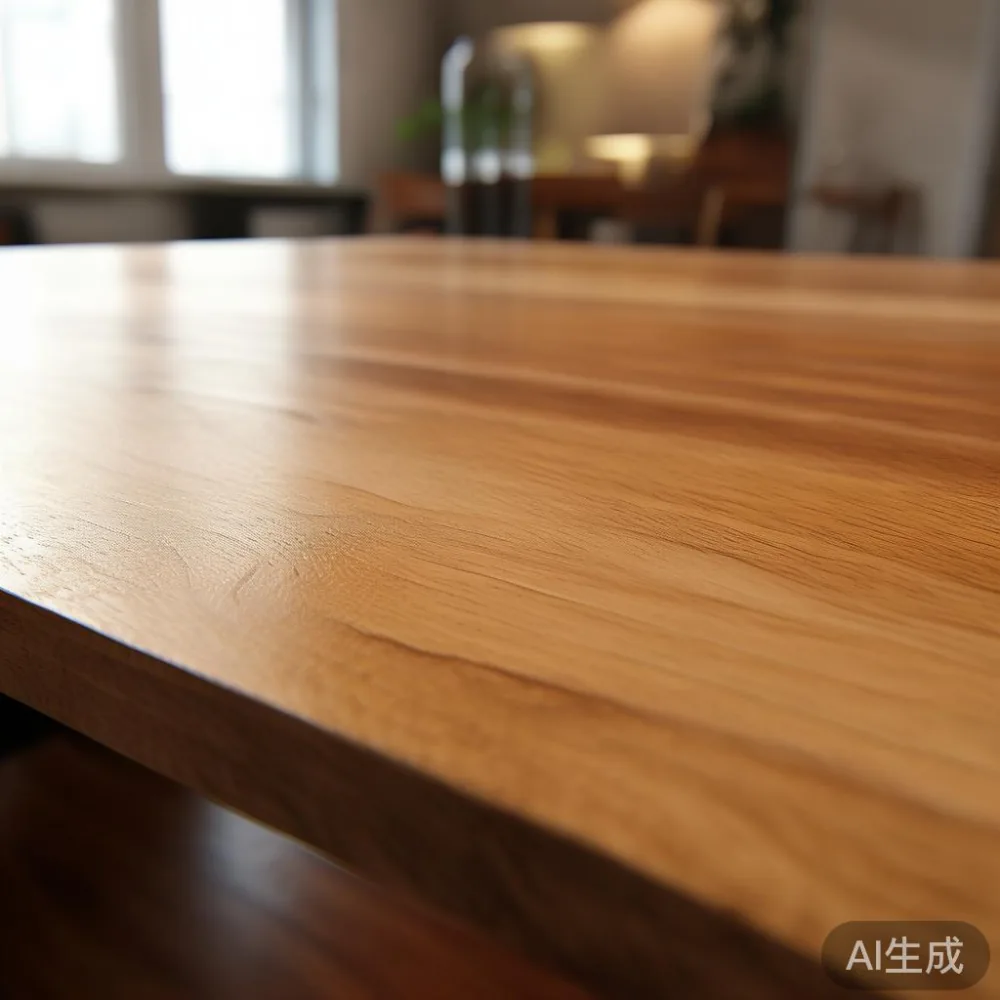
Wood species also carry different price structures. A common hardwood may cost around S$18–S$35 per board foot in bulk, while a tightly grained or highly figured species may reach S$70–S$160 or more. Regional supply, moisture treatment, certification, and defect restrictions affect the quotation. “Solid wood” can describe solid boards, finger-jointed timber, or a frame carrying veneer panels; all three may be legitimate, but they should not share one assumed construction grade.
Buyers searching for for sale Japandi furniture should compare the underside, joints, and panel construction, not only the visible grain. A bar table with a 30 mm top has a different material cost and weight profile from a 20 mm top. At roughly 18–25 kg for a 120 × 60 cm table, good timber is often the heaviest component in the carton.
How much should timber grade, thickness, and moisture affect the price?
Price differences become clearer when dimensions are attached. For a 140 × 70 cm dining table, moving from an 18 mm top to a 28 mm top can add roughly S$120–S$320 in material and machining. Thick tops also resist visible movement and can support more demanding daily use. A 40 mm top may add another S$150–S$450, although the increase is not always proportional because cutting, shaping, and finishing become slower.
Moisture content is another price factor that deserves attention. Interior joinery is commonly conditioned around 8%–12% moisture, depending on the timber and production standard. Wood made for a different climate can move after installation. That can create cracks, gaps, or bowed panels. Proper acclimatisation takes time and space at the factory; hurried drying can create defects that appear only after delivery.
Quality is also visible in concealed areas. Look for clean shoulders, flush joints, drilled pegs where appropriate, and sanded edges that do not chip easily. Solid wood sofa frames, bed frame slats, wardrobe carcasses, and nightstand drawers use different construction requirements. A bed frame may rely on 20–25 mm rails and 14–20 mm slats, while a wardrobe must keep tall panels flat over years. These products should be judged by function rather than by a shared material label.
Why do joinery, curves, and edge profiles change the quotation?
A CNC router can cut a clean rectangle quickly, but a soft curve demands additional setup, tool wear, sanding, and inspection. A gently radiused bar table edge may add S$60–S$180. Hand-shaped edges, sculpted aprons, and carved details can add S$180–S$700. The price depends on complexity, repeatability, and the number of prototypes.
Joinery affects both cost and longevity. Mortise-and-tenon and dowelled joints take more preparation than screws fitted into pre-drilled holes, but they can be more serviceable. Some contemporary pieces combine traditional joints with concealed steel plates, which can make sense for slim profiles or transport requirements. The key is whether the joint supports the intended load. A kitchen-height bar table carrying 3 people and several trays should not rely on decorative blocks alone.
French light luxury often favours restrained profiles, pale finishes, and finely judged proportions. American light luxury commonly includes heavier timber sections, broad slabs, and visible joinery. Post-modern light luxury may use curved silhouettes, mixed materials, or exaggerated feet. These are design vocabularies, not quality grades. A simple table with sound structure can express any of them; an ornate table with weak construction cannot.
Do marble tops, finishes, and hardware explain the biggest price jumps?
Yes, especially when a bar table combines timber with marble. A 140 × 70 cm marble top may add S$350–S$1,100 depending on the stone, thickness, cut-outs, edge treatment, and support system. Natural marble has variation and may require reinforcing the base because it is heavier than wood. A 120 × 60 cm marble table can weigh approximately 45–75 kg, compared with about 18–25 kg for an all-wood version of similar size.
Finishes should be compared by system, not by the word “premium.” Water-based matte lacquer may be practical in a dining area and easier to repair locally. Oils deepen grain but need periodic maintenance. Lacquered or coated surfaces may resist spills better. Applying several primer, colour, and clear coats can add S$90–S$260 in a bar table quotation. A thin shellac-like layer may be cheaper, but its repairability and durability can differ.
Hardware can be discreet and still meaningful. A quality soft-close drawer runner, adjustable leg, pivot mechanism, or brass fitting may add S$18–S$160 per component. For an occasional table, four fixed legs may be adequate. For a bar table used every evening, height adjustment can add comfort and function, especially in a compact Singapore condo with a breakfast counter serving as a work surface.
Requests for luxury Italian light luxury furniture often centre on coordinated proportions, premium surfaces, and detailed edges. The name of a country or design style does not reveal whether the underlying timber is kiln-dried or the finish will withstand humidity. Material and construction documents provide a firmer basis for comparison.
When comparing suppliers, ask for a full bill of materials. Does a “solid wood dining table” include solid timber under the top, plywood, MDF, particleboard, or a mix? Do drawer boxes use solid wood or plywood? Are the slats in a bed frame timber or engineered board? For wardrobes, are the backs grooved panels, plywood, or thinner fibreboard? Specific answers make quotations comparable.
How should Singapore delivery, lifts, corridors, and GST affect the total cost?
A showroom price rarely equals the landed cost in Singapore. GST is normally charged at 9% on taxable furniture imports and local sales, though the exact treatment can depend on import status and transaction structure. If a quoted item is S$1,200 before GST, adding 9% produces S$1,308. Customs duties or handling may also apply, so a landed quotation should state all charges separately.
Measure the route before ordering. Many newer HDB lifts have doors around 900 mm wide and cabins around 1,100 × 1,400 mm, but building-specific dimensions vary. Older lift openings can be around 750–850 mm. A 140 × 70 cm bar table cannot turn through a 780 mm doorway in one orientation, even if it fits inside the lift cabin.
Check the shortest corridor turn, stair landing, letterbox recess, and the route from the loading area. Add at least 100 mm of working clearance where the table must pivot. Tilt the top upright if the design allows it, but confirm that the factory has protected the joints and that the packing supports this method. The carton itself may be longer than the assembled table, and elevator height can become the limiting dimension.
Delivery to Singapore commonly takes around 10–25 business days after production, with sea or air freight and local handling influencing the schedule. Custom pieces may require 25–45 days. A supplier offering free shipping above US$350 can simplify purchasing, but currency conversion, customs, GST, lift booking, and assembly should still be checked. Ask whether delivery is curbside, room-of-choice, or assembly included.
What should a fair solid wood furniture price look like?
Useful ranges are more informative than single “starting from” prices. A compact 100–120 cm all-wood bar table in common hardwood may land around S$420–S$900 before or after GST depending on the quotation format. A 140–160 cm table in selected timber, refined edges, and a more demanding finish may range from S$850–S$1,850. A marble-topped design can extend from roughly S$1,300 to S$3,200. These are comparison bands, not guarantees.
Price should remain connected to measurable specification. Record the top dimensions in centimetres, timber species, top thickness, frame dimensions, joinery, finish layers, drawer hardware, weight, warranty, and delivery terms. For example, a S$980 table with a 30 mm kiln-dried hardwood top, mortise-and-tenon apron, and 5% warranty may offer more transparent value than a S$1,280 model described only as “premium European style.”
The same discipline applies to larger products. A solid wood sofa frame may be quoted from S$1,700 to S$4,000, with springing, foam, upholstery, and frame design driving the difference. A slatted bed frame may range from S$650 to S$2,000. A wardrobe with adjustable internal fittings and durable runners may range from S$1,100 to S$3,300. A nightstand can sit between S$220 and S$760 depending on timber, drawer construction, and finish.
Search phrases such as best Modern light luxury wardrobe for 2026 or best Minimalist sofa for 2026 can help identify current design directions, but the specification sheet still matters more than a ranking. For trade enquiries, terms such as MIDHILL dining table wholesale and MIDHILL coffee table wholesale may clarify container planning and model selection, although a homeowner should still request a project-specific quotation.
How can buyers verify quality before paying a deposit?
Ask for photographs of the actual production model, underside, corner joints, grain matching, and packed carton. Request the timber species rather than a generic “wood” label. Confirm whether the quoted bar table can be knocked down for transport and whether hardware is included. A 30–50% deposit is common for made-to-order furniture, while stock items may require less, but the milestone should reflect measurable progress.
Last month I visited a Foshan workshop and watched a dining table top move through thickness sanding, edge profiling, and finish preparation. The most revealing detail was not the glossy face but the underside: the joints were square, the fasteners sat below the surface, and a moisture meter showed readings within the workshop’s stated range. That inspection took 10 minutes and gave a clearer account of workmanship than a staged showroom photograph.
Also test the information. A supplier should answer questions about cabinet access, corridor turns, and return eligibility with the same precision it applies to timber. MIDHILL’s 14-day returns policy and free shipping above US$350 can reduce risk for eligible orders, while its 10-year structural warranty and lifetime refinishing service address long-term ownership. Those provisions are useful only when the buyer confirms what they cover, including finish limitations, assembly, and shipping-related exclusions.
Ultimately, solid wood furniture prices reflect a stack of choices. A stronger board specification, accurate joinery, careful finish work, better hardware, and durable packing each add cost; an unclear specification often adds hidden cost later. Measure the Singapore route, compare like-for-like materials, and treat style labels as the final layer rather than the foundation. A well-built 120 cm bar table that fits the room, the lift, and daily habits can be more valuable than a larger imported piece with vague construction details.