Preserving the Shine: A Guide to Caring for Your Lacquered Bar Table in Singapore's Tropical Climate
Choosing a bar table for your Singapore home is an investment in both style and function. Whether it's a centrepiece for your HDB void deck entertaining area or a sleek addition to your condominium's balcony, a well-crafted piece enhances the living space. In a country where the average annual temperature hovers around 27°C and relative humidity often exceeds 80%, however, maintaining the pristine finish of a lacquered surface requires specific attention. The constant interplay of heat and moisture can pose a unique challenge to even the most durable furniture.
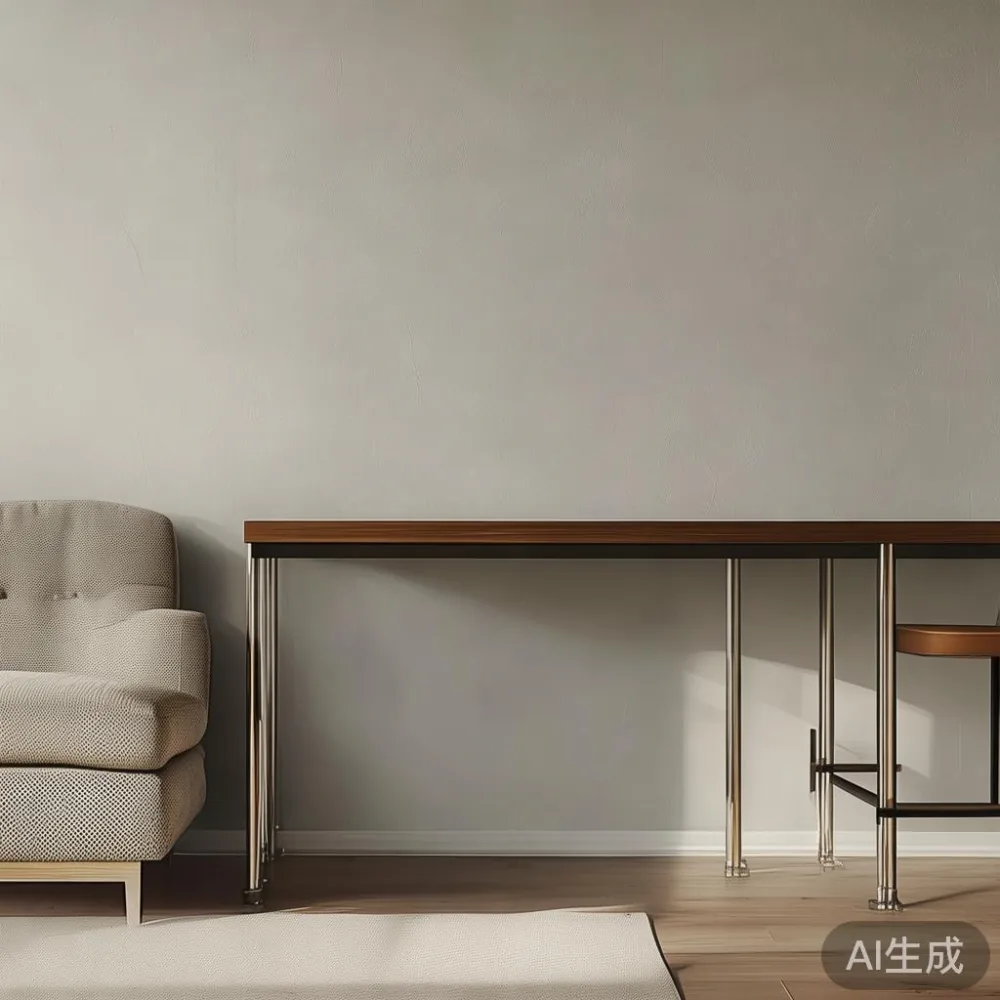
Understanding the Challenge: Why Singapore's Climate Affects Lacquer
Lacquer is a beautiful, high-gloss finish that provides a tough, protective layer over the solid wood beneath. It creates a smooth, impermeable surface that is resistant to minor scratches and stains. This makes it a popular choice for bar tables, where glasses and bottles might be placed. The process involves applying multiple layers of a clear, resin-based coating to the wood, which is then cured to a hard, mirror-like sheen.
The problem in Singapore's tropical climate lies in the science of materials. Wood is a hygroscopic material, meaning it naturally absorbs and releases moisture from the air. A lacquered surface slows this process but cannot stop it entirely. When humidity levels spike, as they often do during the Northeast Monsoon season from November to March, the wood trapped beneath the lacquer can still absorb a small amount of moisture. This causes the wood fibres to expand very slightly. The inflexible, cured lacquer surface is unable to expand at the same rate, leading to internal stress.
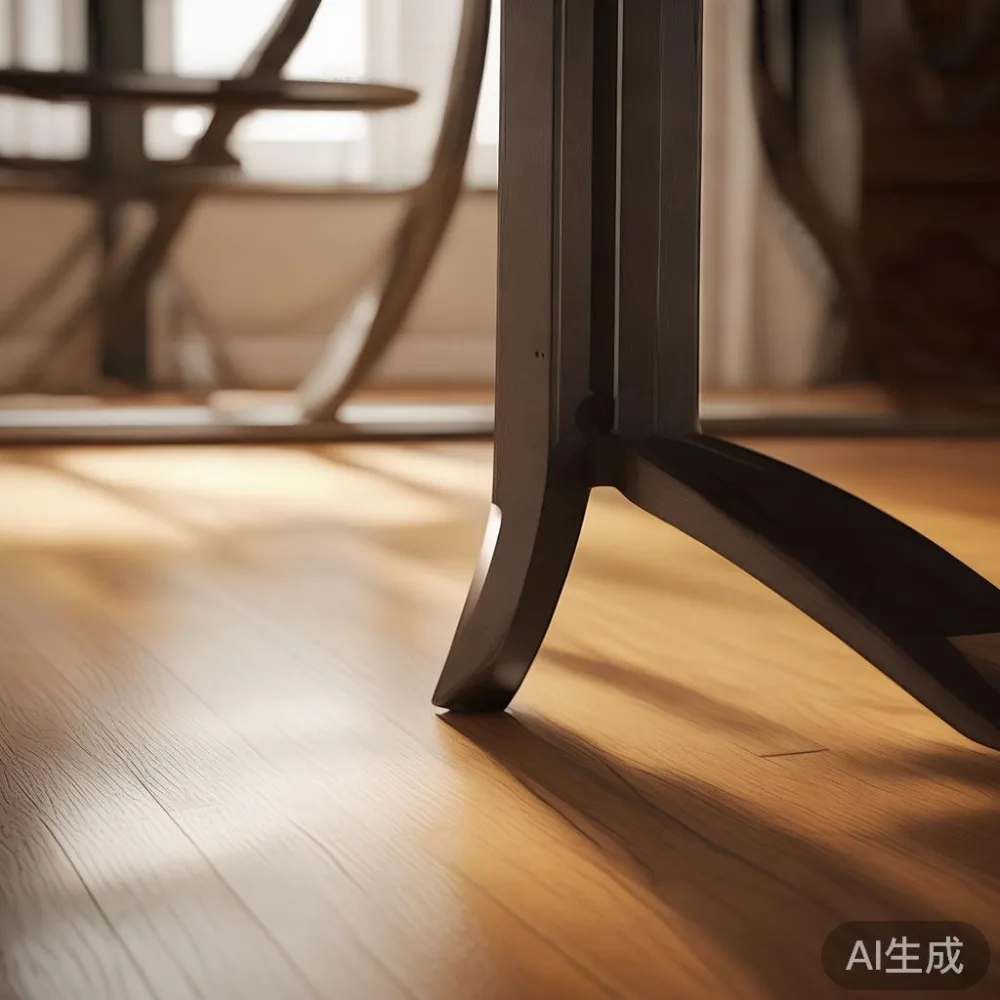
This stress can manifest in several ways. The most common issue is the appearance of tiny, hairline cracks in the lacquer, often called 'checking'. While these do not affect the structural integrity of the bar table, they can compromise the finish's shine and smoothness. In more severe cases, especially if the furniture is placed directly in front of an air-conditioning vent or under direct afternoon sun, the differential expansion and contraction can cause the lacquer to 'blister' or even delaminate from the wood surface. For a bar table that costs upwards of SGD 800 for a quality piece, preserving this finish is key to protecting your investment.
Placement is Paramount: Finding the Right Spot for Your Bar Table
The single most effective step you can take to care for your lacquered bar table is strategic placement. The location of your furniture within your HDB flat or condominium unit plays a significant role in its longevity. A bar table placed in the wrong spot can face daily assault from the elements, while one placed well can thrive for decades.
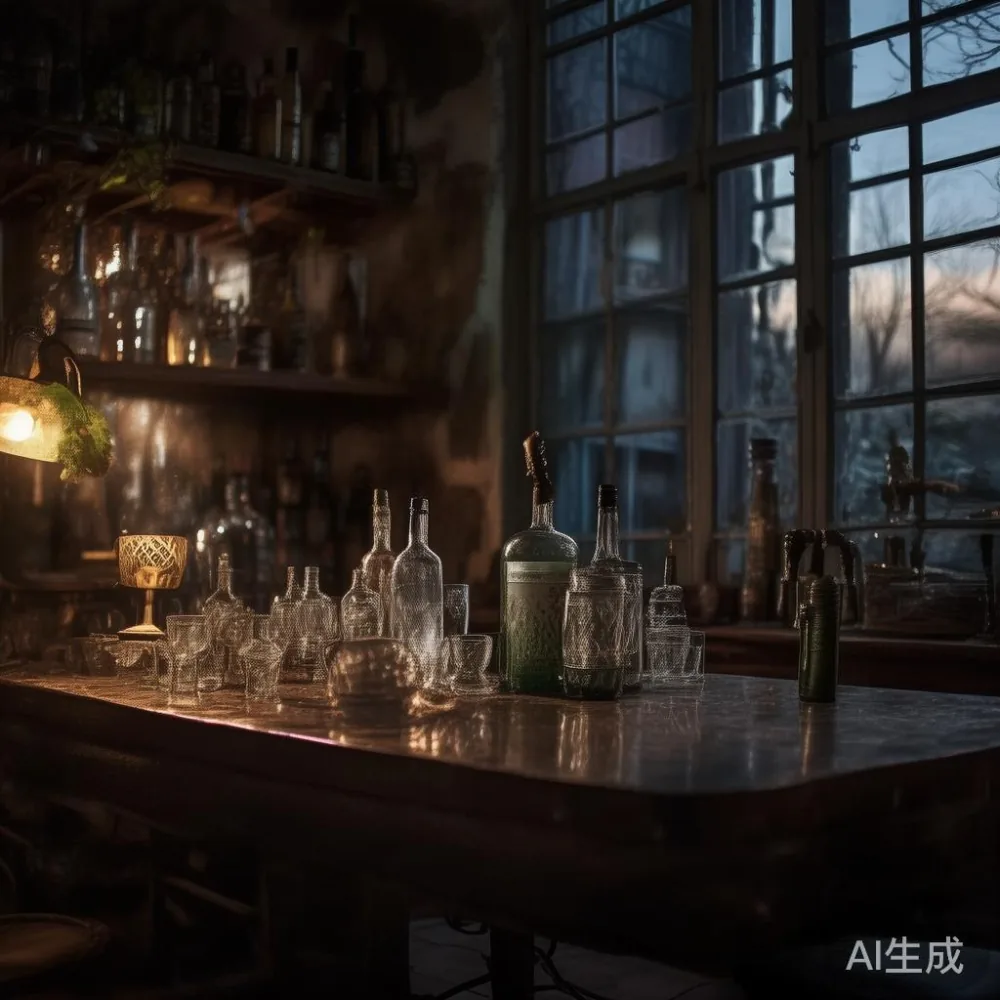
Avoid placing your bar table in direct sunlight. The intense UV rays from Singapore's sun are a primary cause of lacquer degradation. They can cause the finish to become brittle and discolour over time, turning a clear, glossy finish into a dull, yellowish one. This is especially true for bar tables with dark wood finishes, which can absorb more heat. Instead, position your table away from windows that receive direct sun for more than two hours a day. If you must have it near a window, ensure the window has UV-blocking film or invest in good quality curtains that can be drawn during peak sun hours.
Similarly, be mindful of air conditioning. While AC is a necessity in Singapore, the constant, direct blast of cold, dry air can be just as damaging as humidity. The rapid cycling between humid outdoor air and dry indoor air creates extreme stress on the wood and lacquer. If you live in a condominium like those in Tampines or Punggol where air-conditioning is used heavily, try to position your bar table out of the direct path of vents. A distance of at least 150 cm from an AC unit is a good rule of thumb.
For those living in HDBs, the layout presents its own considerations. The typical lift and corridor widths in older estates are designed for practicality, not fine furniture transport. When you first receive your bar table, take a moment to plan its final resting place. Ensure it can be manoeuvred through your corridor without scraping against walls. Once in place, avoid situating it where it might be bumped by bags, shoes, or other items regularly moved through the space. A stable, protected location is the foundation of good furniture care.
How Often Should I Clean My Lacquered Bar Table?
This is a question we hear often from new owners. The frequency of cleaning depends entirely on the usage and environment of your bar table. A high-use bar table in a condo's entertainment area will need more attention than one used occasionally in a study. As a general rule, a quick dusting every 2-3 days is sufficient for most homes. This prevents a fine layer of dust from accumulating, which can act like a very fine abrasive if wiped away with a dry cloth.
A more thorough cleaning should be performed once a week. This involves using a slightly damp cloth to wipe down the entire surface. The key here is 'slightly damp'. The cloth should be wrung out until it is almost dry. Excess water is the enemy of lacquer and wood. For weekly cleaning, you can use a pH-neutral, mild soap solution. A couple of drops of dishwashing liquid in a litre of warm water is more than enough. Dip your cloth in the solution, wring it thoroughly, and then wipe the table in the direction of the wood grain. Always follow up immediately with a dry, soft cloth to remove any residual moisture.
It is never advisable to use common household cleaners like Windex, Pledge, or other polishes that contain silicone or ammonia. These chemicals can strip away the delicate oils in the lacquer finish, leaving it dull and potentially creating a hazy, cloudy appearance over time. They can also react with the finish, causing permanent damage. Stick to simple, gentle methods. For stubborn, dried-on spills, a plastic scraper held at a 45-degree angle can be used to gently lift the residue without scratching the surface, followed by a damp cloth wipe-down.
Seasonal Maintenance: Adapting to Singapore's Weather Changes
Living in a tropical climate with distinct wet and slightly drier seasons means your furniture care routine should adapt. During the high-humidity months of the Northeast Monsoon, when the air feels thick and sticky, you should increase your vigilance. Wipe down your bar table more frequently with a dry, lint-free cloth to absorb any ambient moisture that might have settled on the surface. Consider using a dehumidifier in the same room as your bar table if you notice condensation forming on windows or walls. This can help maintain a more stable humidity level, reducing the stress on the wood.
Conversely, during the Southwest Monsoon or the drier periods, the air can be less humid. This is when you can perform a deeper conditioning treatment. Once every 3-4 months, depending on the climate, you can apply a high-quality, non-silicone furniture polish or conditioner specifically designed for lacquered surfaces. Apply a small amount to a soft, clean cloth and rub it onto the table in a circular motion. Let it sit for a few minutes to nourish the wood beneath the lacquer, then buff it off with a separate clean cloth to restore the shine. This helps to prevent the lacquer from becoming too dry and brittle.
My colleague, Sarah, who lives in a Bedok HDB flat, learned this the hard way. Last month, she visited a client with a beautiful solid wood bar table that had developed a network of fine cracks. On closer inspection, she found it was placed directly next to an open balcony window, exposed to both sun and rain. The client had never conditioned the table, assuming the lacquer was all the protection it needed. Sarah explained the importance of seasonal care and conditioning, and after a few months of following a proper routine, the table's finish stabilised and the cracks did not worsen. It was a clear lesson in proactive maintenance.
What About Accidents and Spills?
Accidents are inevitable, especially around a bar table where drinks are served. The key is not to panic and to act quickly. The longer a liquid sits on a lacquered surface, the greater the chance it will seep through microscopic pores in the lacquer and stain the wood beneath.
For water spills, simply blot the area immediately with a dry, absorbent cloth. Do not rub, as rubbing can spread the liquid and push it into the wood grain. For alcoholic drinks like wine or beer, the process is the same, but you should follow up the blotting with a quick wipe-down using a cloth dampened with a mild soap solution to remove any sugars that could leave a sticky residue.
Oily spills, from food or cosmetics, require a different approach. First, blot away as much of the oil as possible with a paper towel. Then, sprinkle a small amount of cornstarch or baking soda on the spot. These powders will help absorb the remaining oil. Let it sit for 15-20 minutes, then gently brush it away with a soft brush. Finally, wipe the area with a damp cloth to remove any powder residue. For stubborn oil stains, a dedicated wood cleaner designed for lacquered surfaces may be necessary, but always test it on an inconspicuous area of the bar table first.
When considering furniture for a small space, many homeowners ask, is a bar table a practical choice for a small living room? The answer is a resounding yes, provided you choose the right style. A bar table with slender legs and a compact top, no more than 70 cm in diameter, can provide a functional surface without overwhelming the space. This approach to Nordic for small living room design focuses on clean lines and minimal footprint, making it perfect for HDBs where every square centimetre counts.
Making an Informed Choice: Beyond the Bar Table
Caring for your bar table is part of a broader approach to furnishing your home. The principles of material care extend to all your solid wood pieces. When selecting a Modern light luxury TV console, for instance, you should ask the same questions about the finish and its suitability for the climate. A high-quality lacquered console will be just as durable and easy to maintain as your bar table.
The same logic applies to larger items. When debating is Italian light luxury bed worth it, consider the construction and finish. A bed frame with a well-applied, multi-layer lacquer finish will be more resistant to the humid Singapore air than one with a simple varnish or oil finish. The initial cost is higher, but the longevity and ease of care make it a sound investment. Similarly, the choice between a Japanese sofa vs French provincial sofa often comes down to maintenance. A Japanese sofa with a tight, upholstered finish may require different care than a French provincial sofa with its intricate carvings and soft fabrics. For those who love the French style, the question is French provincial sofa worth it is answered by understanding its care needs; regular dusting and avoiding direct sunlight will keep its ornate details beautiful for years.
These considerations also apply to bedroom furniture. The comparison between a Japanese bed vs Japandi bed highlights a difference in material philosophy. A Japanese bed might feature simpler, more natural wood finishes, while a Japandi bed blends Japanese minimalism with Scandinavian design, often using painted or lacquered surfaces for a lighter, airier feel. Both can be excellent choices, but knowing how to care for the specific finish is key.
Ultimately, your home is a collection of curated pieces. A MIDHILL dining table, for example, is often designed with the same attention to detail and durable finishes as their bar tables. This consistency ensures that whether you are furnishing your dining area, living room, or balcony, you are investing in pieces that are built to last and easy to maintain in the unique Singapore environment. By understanding your climate and choosing furniture with appropriate finishes, you can enjoy your beautiful pieces for a lifetime.