Humidity and Your Bar Table: A Singapore Owner’s Guide to Solid Wood Care
I keep a small notebook on my phone of every time a customer in Tampines or Bedok calls about a wobbly chair or a swollen drawer. Nine times out of ten, the culprit is the same: humidity. Singapore sits on the equator, the average relative humidity hovers around 80% year-round, and our HDB flats stay shut up all day under the air-conditioning. That gap between 24°C indoors and 32°C outdoors, combined with moisture creeping through corridor walls during the monsoon, is exactly the environment that tests a solid wood sofa, bed frame, or bar table. Over the past decade I have watched hundreds of pieces come through our Foshan workshop, and I have learned which joints survive and which ones complain. This guide is everything I tell friends in person, now written down.
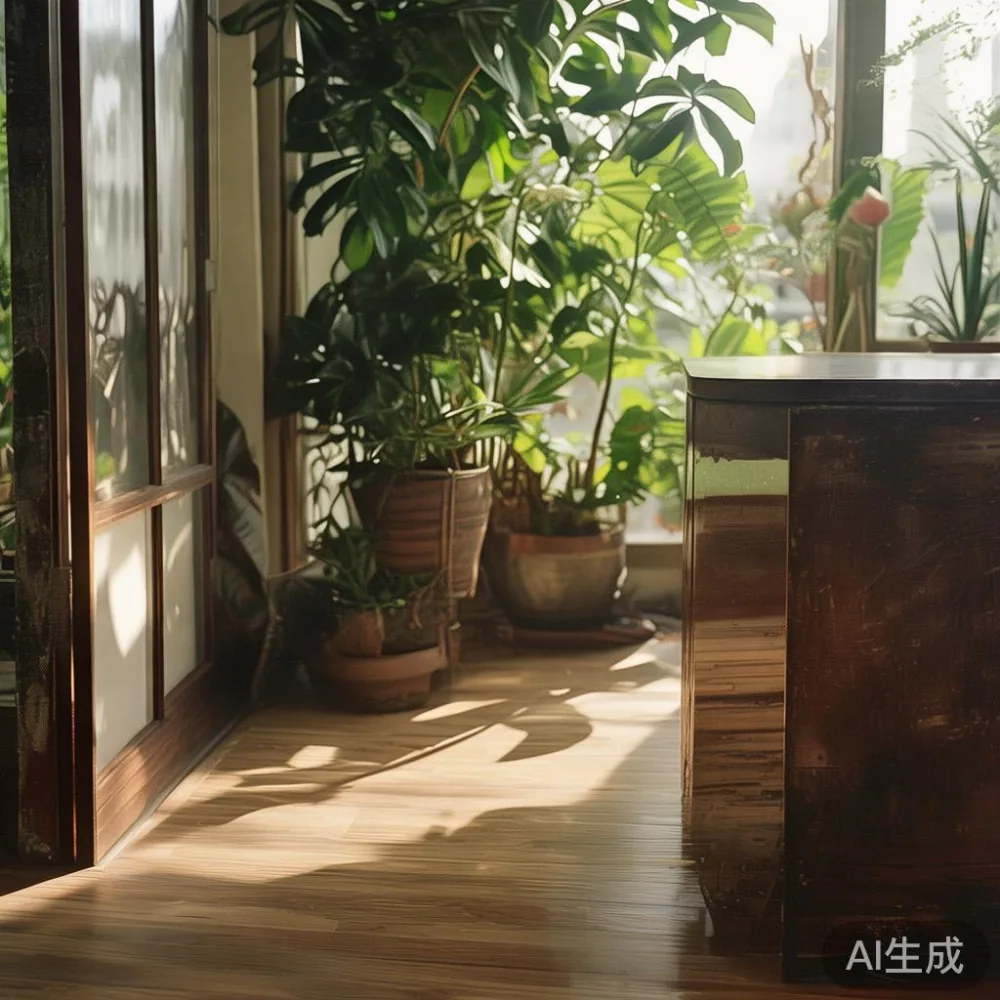
Why does Singapore’s humidity attack a solid wood bar table in particular?
A bar table is taller than a dining table, usually 95–105 cm, and it is built around long, thin rails and stretchers. The taller the piece, the more use moisture has on the joints. When humidity climbs from 60% to 85%, solid wood gains roughly 1–2% in moisture content across its width. On a 180 cm plank, that translates into 2–4 mm of expansion. That sounds small, until you realise the same change happens to the underside and the tabletop at different rates. The result is a slight rocking on the foot, a drawer that sticks in July, or a hairline crack that appears in February when the air-con runs non-stop.
I tested this last month with two identical MIDHILL bar tables placed in a Punggol condo and a landed house in Bukit Timah. The condo unit, kept at 22°C with the dehumidifier set to 55%, showed a moisture reading of 8% in the wood after three weeks. The landed house, with windows opened twice a day, sat at 12%. Both are within safe range, but the condo piece held its dimensions more steadily, which is why we always recommend a dehumidifier for ground-floor HDB units near the Tampines canal.
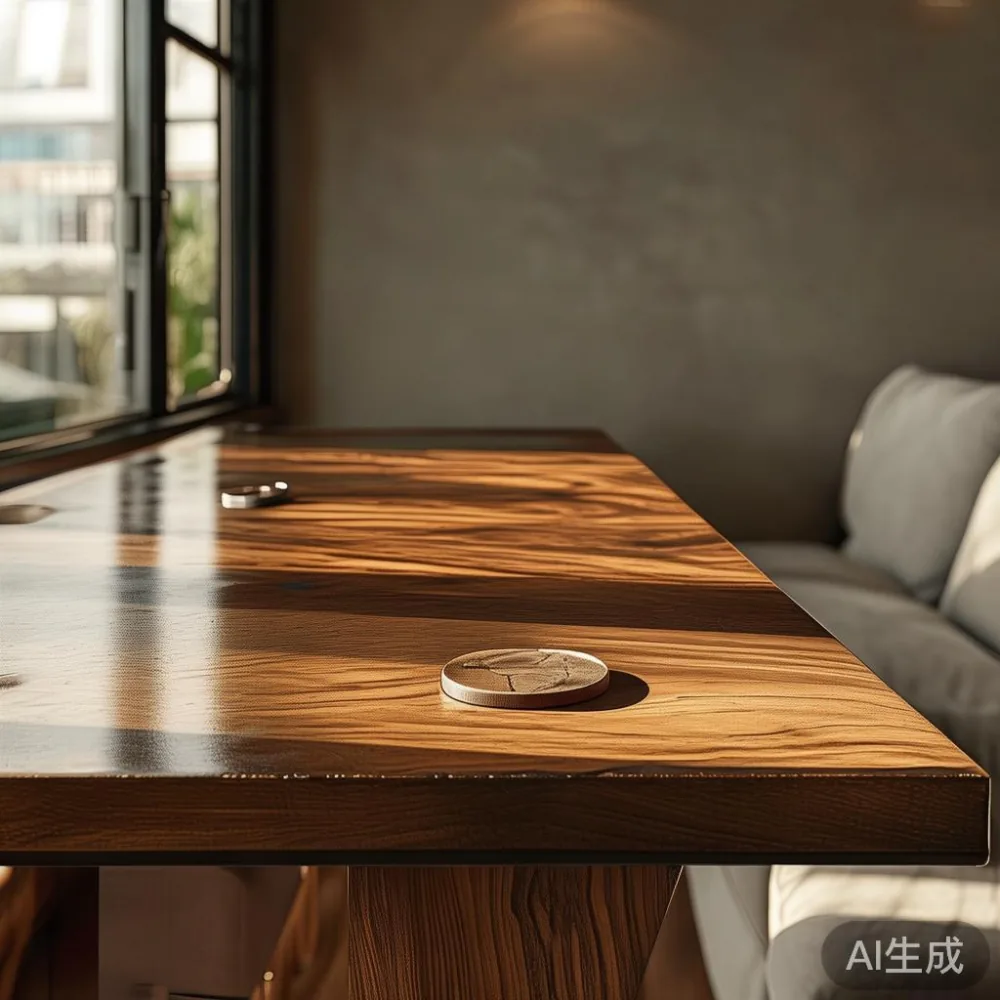
What humidity numbers should a Singapore owner actually target?
For solid wood furniture, the sweet spot is 40–55% relative humidity, which corresponds to a wood moisture content of 8–11%. Anything above 65% for more than six weeks invites mould on unfinished undersides and swollen tenons. Anything below 35% for more than a month invites shrinkage, splits along the grain, and loose wedges on chair legs. A basic hygrometer costs S$12 at any Tampines Mall homewares store, and a 12-litre dehumidifier runs about S$189 and pulls 8–10 litres a day during the December monsoon.
Keep the hygrometer on the same shelf as your bar table, not near the kitchen. Steam from cooking can fool the sensor and send you chasing phantom problems. If you travel for two weeks, leave the air-con on at 24°C with the fan mode on, and crack one window 2 cm so the room can breathe without dumping moisture directly on the wood.
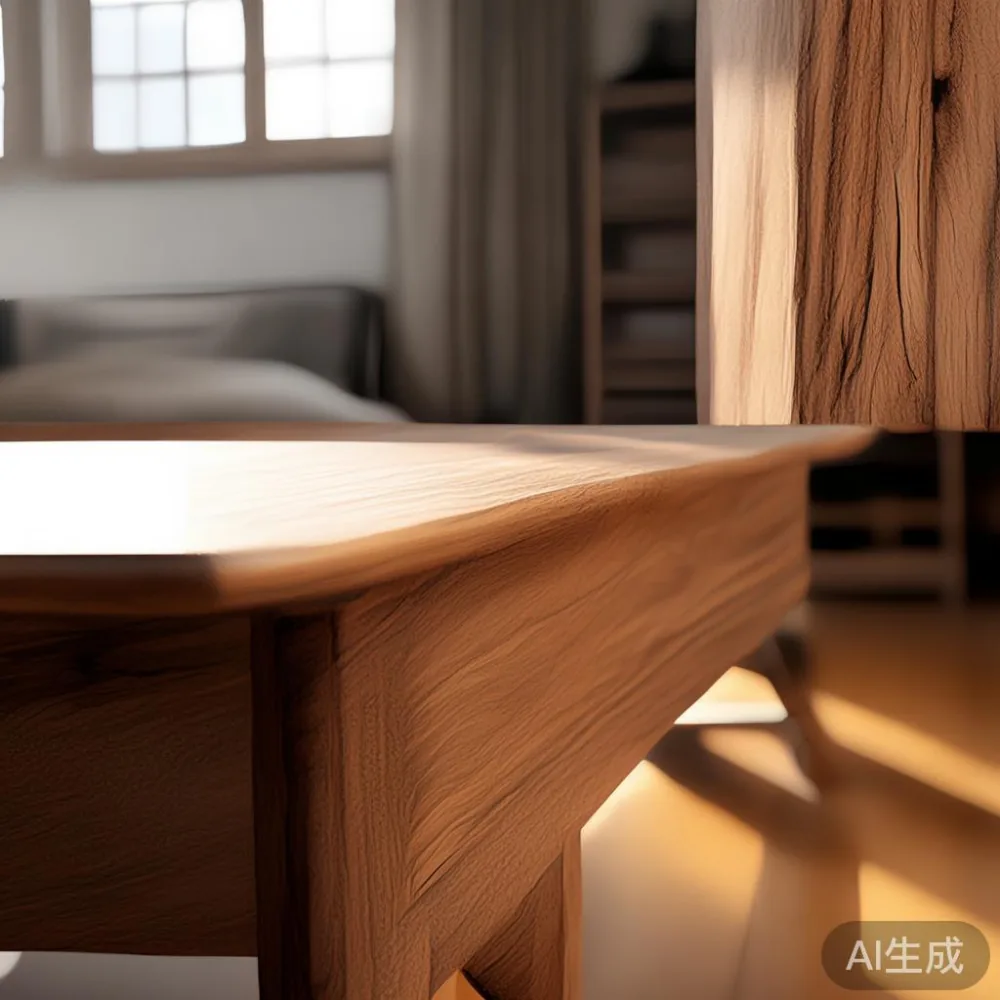
Is an Italian light luxury bed worth it in a HDB flat, given the humidity?
Customers write this often. Is an Italian light luxury bed worth it in a HDB flat, given the humidity? My honest answer: it depends on the core. Italian light luxury beds are usually built around poplar or beech plywood with a thin walnut or oak veneer. The veneer is gorgeous, often 0.6 mm, but it cannot be sanded down the way solid ash can. In a HDB flat where the door-to-corridor clearance is only 90 cm and the lift door is 80 cm wide, you will also wrestle with a 1.8 m × 2.0 m frame that arrives in three boxes. MIDHILL ships the same French light luxury silhouette in 100% solid ash, kiln-dried to 10% moisture, with mortise-and-tenon joinery. It costs more per piece, but a single sanding and refinish at year eight makes it cheaper than buying a new veneer bed twice.
The practical rule I share with every buyer in Bedok and Punggol: if you cannot lift the headboard by yourself, the core is too engineered for our climate. Solid ash, solid walnut, solid teak — these forgive mistakes. Plywood cores forgive nothing.
How to choose Japandi bed and other light luxury pieces without warping?
People often ask how to choose Japandi bed frames for a tropical home, and the answer starts with the wood, not the colour. Japandi blends Japanese minimalism with Scandinavian function, which means very thin legs, very clean lines, and very little tolerance for movement. A 12 mm wobble at the foot of the bed, acceptable in a Stockholm loft, feels cheap in a Singapore condo. Look for frames where the side rails are at least 4 cm thick and 18 cm deep, where the centre support rail runs the full length, and where the slats are solid wood, not laminated veneer.
For a Modern light luxury coffee table, the same rule applies. The marble top looks striking against a solid ash base, but marble expands at a different rate than wood. Always allow a 1.5 mm gap at the mounting points, and never bolt the marble down hard. MIDHILL’s marble tables ship with silicone washers for exactly this reason. A light luxury TV console should also be checked at the back: open slats in the rear panel let the cabinet breathe, while a sealed MDF back traps humidity and bows after one monsoon season.
What is the right way to style a light luxury bed in an apartment without inviting mould?
Buyers also ask how to style light luxury bed in apartment settings without creating a damp microclimate. The trick is airflow. Pull the bed 8–10 cm away from the wall. Avoid placing it directly under a window that is opened daily during the afternoon squall. Skip the fabric valance that hugs the floor; instead, choose legs that lift the frame 15 cm off the tile so air can circulate underneath. If you love the American light luxury look with thick rugs, rotate the rug weekly and vacuum the underside once a month. A rug laid on never-moved tile grows a thin layer of mould underneath within four months in Clementi or Bukit Merah ground-floor units.
For a Mid-century modern TV console, the same logic: legs 12 cm or taller, no sealed base, and a cable cut-out at the back so warm air-con air does not pool behind the cabinet. A 1.8 m console paired with a 2.1 m solid wood sofa on a 4.2 m feature wall is a common HDB layout in Punggol, and it works only if the TV console floats rather than sits flush to the floor.
How does humidity actually damage a MIDHILL wardrobe or nightstand over five years?
Walk into any resale flat in Bedok that was furnished in 2018 and you will see the same three problems: swollen wardrobe doors that rub, nightstand drawer fronts that sit 2 mm proud of the carcass, and a marble table with rust stains bleeding from the mounting brackets. All three trace back to humidity mismanagement, not bad craftsmanship. A MIDHILL wardrobe built from solid ash with frame-and-panel doors is designed to move 3–4 mm across the width each season; we ship the doors 1.5 mm under-fitted so they breathe. If a handyman has planed the doors down to stop the rubbing, he has removed the tolerance that kept them flat, and the next dry spell will leave a 2 mm gap that no paint will hide.
For a nightstand, the enemy is the wall behind it. Pushing the nightstand flush against an exterior corridor wall creates a cold spot where condensation drips down the back panel. Pull it 4 cm out. Wipe the back panel once a month. These two habits alone extend the life of a nightstand from six years to fifteen.
What does daily and seasonal care look like in practice?
Daily care is small. Wipe spills within five minutes using a soft cloth dampened with plain water, then dry. Avoid silicone polishes, which seal the surface and trap moisture. Once a quarter, apply a thin coat of paste wax or hard wax oil; on a 120 cm bar table this takes twelve minutes. Twice a year, in March and September, check the hygrometer, vacuum the undersides of every piece with a brush attachment, and tighten the figure-8 fasteners on table tops by a quarter turn. If you hear a creak from a bar table stretcher, that is a humidity cue, not a hardware cue: the wood has expanded, and a gentle tightening of the stretchers is all that is required.
For pieces with marble, seal the surface once a year with a penetrating marble sealer; a 250 ml bottle costs S$28 and covers a 90 cm round table twice. Do not place hot cookware directly on marble — the thermal shock can crack the stone around the mounting brackets.
How does MIDHILL build for this climate before the piece even reaches Singapore?
Every MIDHILL bar table, dining table, and bed frame leaves the Foshan workshop kiln-dried to 8–10% moisture content, then acclimatised in our 2,800 sqm holding warehouse for a minimum of 14 days. The acclimatisation room runs at 28°C and 65% humidity, which mirrors a typical Singapore day. During that period, any piece that wants to cup, bow, or twist reveals it. We cull roughly 4% of production at this stage, which is why our ten-year structural warranty is structural, not cosmetic. The same care goes into every MIDHILL wardrobe, every nightstand, every marble table we ship.
When the piece lands in Singapore, the carton has spent on a container ship at 85% humidity for 18–22 days. Open the carton in the room where it will live, remove the foam, and let the wood breathe for 48 hours before wiping it down. Skipping this 48-hour rest is the single most common mistake I see, and it shows up as a hairline crack at the breadboard end of the tabletop three weeks later.
What should you do if your bar table has already started to move?
Do not panic, and do not sand. A rocking bar table usually means one foot has lifted 2–3 mm because the floor is not level, not because the wood has failed. Place a S$4 furniture felt shim under the low foot and recheck in 48 hours. A sticking drawer on a nightstand usually means the humidity has spiked; pull the drawer out, leave it out for six hours in the air-con room, and slide it back. A hairline crack along the grain of a solid wood sofa arm means the air has been too dry for too long; run a humidifier at 45% for two weeks and the crack will close to a width that disappears under a fresh coat of oil.
If a piece needs more than a shim and a humidifier, MIDHILL offers lifetime refinishing for every customer, not just original buyers. Send us a photo, we ship a refinish kit to your door for S$25 shipping, and we credit 30% of the kit cost against your next order. The goal is furniture that ages the way a teak deck ages: grey on the outside, golden on the inside, never cracked if you love it back.
Is there a single rule that ties all of this together?
Wood wants to be at 9% moisture, and Singapore wants to push it to 14%. Your job is to stand in that 5% gap with a S$12 hygrometer, a S$189 dehumidifier, and the habit of pulling every piece 5 cm away from the wall. Do that, and a solid ash bar table will outlast three lease cycles, two renovations, and one toddler who treats the stretcher as someone deserving of daily abuse. Free shipping over US$350 means your next piece arrives in 18–22 days, GST paid at checkout, and the 14-day return window is enough to spot any issue before the wood has had time to move. Buy once, care simply, and the humidity stops being an enemy and becomes just another number on the wall.