Caring for Lacquered Bar Tables in SG’s Climate
A lacquered bar table can make a compact Singapore home feel composed, sociable and quietly luxurious. The challenge is humidity: lacquer protects the timber, but it does not make the surface immune to heat, moisture, spills or sticky fingers. For residents of HDB flats in Tampines, Bedok and Punggol, sensible care starts with realistic habits around cooking, air-conditioning, cleaning and placement.
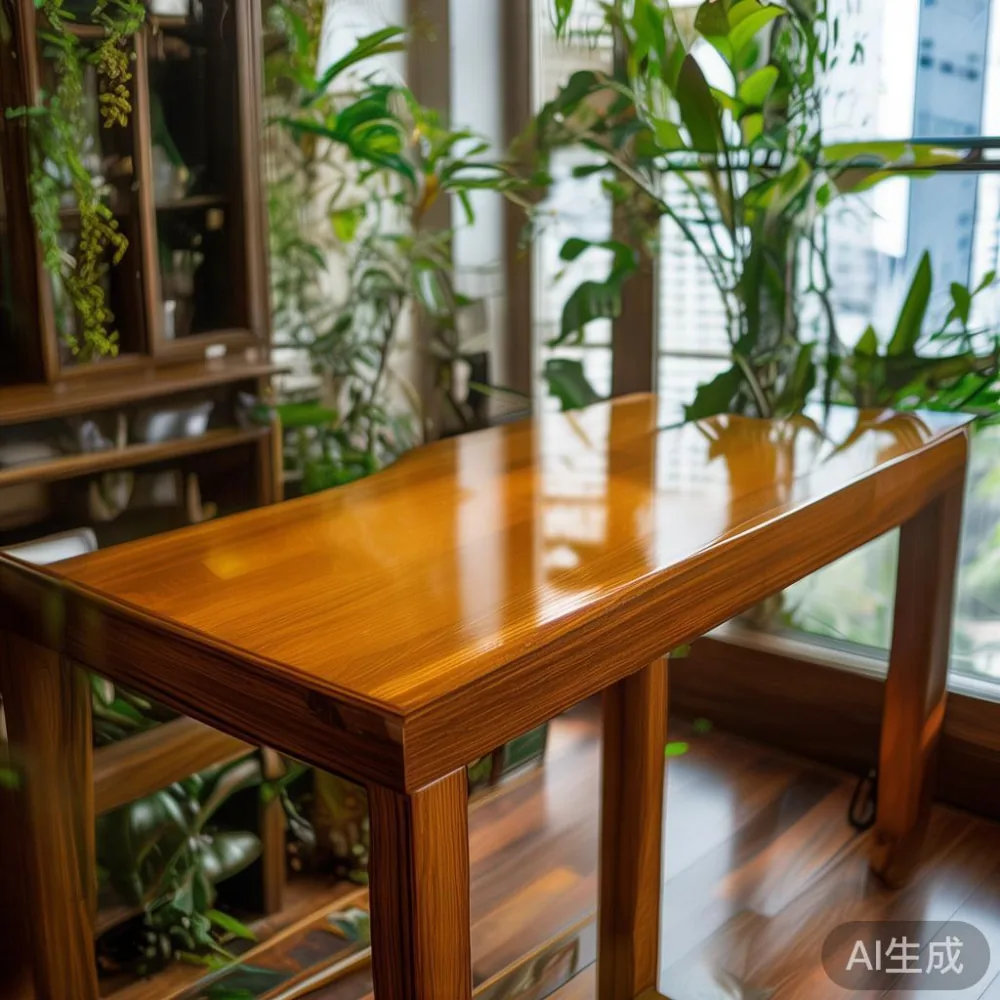
MIDHILL makes lacquered furniture with a solid wood core, supported by a 10-year structural warranty and lifetime refinishing service. Those figures describe construction support, not permission to neglect a tabletop. A bar table measuring 120 × 60 × 105 cm, for example, needs the same disciplined routine as a larger dining table. The difference lies in its height, narrower working area and frequent contact from glasses, bottles and elbows.
This guide explains how to inspect, clean and maintain lacquer in Singapore. Prices are stated in SGD and include GST where applicable. If delivery is required, allow 7–14 working days for in-stock Singapore orders; lift and corridor access should be checked before the carton leaves the warehouse.
What does lacquer actually protect against?
Lacquer is a clear or coloured finish applied in thin layers over prepared wood. It creates a useful barrier against ordinary stains and gives the bar table a smooth, reflective appearance. It may be water-resistant, but water-resistant is not the same as waterproof. A ring left by a cold glass can trap moisture against the finish, while warm plates and condensation can cause localised damage.
The substrate still responds to relative humidity. Singapore’s outdoor humidity often reaches 80–90%, while air-conditioned flats may sit near 55–70%. Rapid changes matter more than one humid afternoon. For instance, moving a lacquered bar table from a corridor into an aggressively air-conditioned living room can make the finish “sweat” or develop a hazy bloom if condensation forms.
Solid wood beneath the lacquer remains hygroscopic. It expands as it takes on moisture and contracts when it dries. A well-built dining table, bed frame or wardrobe uses joinery that accommodates this movement; lacquer care prevents the finish from being blamed for underlying dimensional changes. Inspect the edge under good light and look for lifting, fine cracks or a dull halo. If the lacquer has already separated from the wood, household polish will not repair it.
French light luxury often relies on restrained finishes and tactile surfaces, while post-modern light luxury accepts visible materials and crisp geometry. In either approach, preservation beats aggressive restoration: a clean, evenly maintained surface supports the design more effectively than a glossy patch over damaged lacquer.
What is the safe routine for cleaning a lacquered bar table?
Start with a soft, lint-free microfibre cloth. For routine cleaning, dampen it with plain lukewarm water and wring it until damp, not wet. Wipe in the direction of the grain, then dry immediately with a second clean cloth. A 30 × 30 cm cloth provides enough control around a 120 cm bar table without spreading liquid toward seams or the floor.
For fingerprints and light marks, use a tiny amount of pH-neutral wood-care solution: about 1–2 ml per 500 ml of water. Apply it to the cloth rather than the tabletop, test a 10 × 10 cm hidden area and wait 10 minutes. The test should show no colour shift, haze or tackiness. Neutral soap is suitable for some lacquers, but labels vary, so avoid assuming that “mild detergent” is compatible.
Never use abrasive pads, steel wool, scouring powder, ammonia, alcohol-based glass cleaner, bleach or concentrated degreaser. These can strip the topcoat or leave a sticky residue. Citrus cleaner and undiluted vinegar are also poor choices because acids may dull the sheen.
Spills should be removed within 30–60 seconds. Blot rather than scrub. For an oil mark, press a clean paper towel over the spot, then lift it; do not rub. If the mark remains, professional assessment is safer than repeated home treatments.
How should a bar table be placed in a humid HDB flat?
Leave 5–8 cm of clearance from walls where practical, particularly in a new Tampines or Punggol flat with strong afternoon sun. Air needs to circulate around all sides, including behind the table. Keep it away from windows that receive direct equatorial sun, and out of a bathroom or enclosed balcony where humidity remains above 80% for long periods.
For a dining area that becomes a bar area at night, place the table where it does not obstruct a corridor. Common HDB lift lobbies and corridors may be only 90–120 cm wide; a boxed bar table can also be difficult to turn. Measure the package before delivery, especially the longest side and diagonal. A 120 × 60 × 105 cm table may require a compact carton with protected corners, while a 160 cm version needs a larger turning space.
Do not place a hot pot directly on lacquer. Use a trivet with at least 3 cm clearance beneath hot cookware. Condensation from chilled glasses should be wiped away within 10 minutes. In a home where the dining table doubles as a work surface, a felt or cork coaster under each laptop or cup prevents scratches and heat transfer.
For broader planning, a search for under 2000 Scandinavian furniture may include bar stools, sideboards and bedroom pieces, but each material needs its own care instructions. A solid wood sofa or bed frame should not automatically receive the same cleaner as a lacquered dining table or bar table.
How do I remove humidity haze from lacquer without damaging it?
First determine whether the mark is dirt, moisture haze or a damaged coating. Clean with a lightly damp microfibre cloth and dry the surface completely. If a cloudy ring remains, it may be moisture trapped between lacquer layers or an interaction between moisture and polish residue.
Do not apply wax, furniture oil or silicone spray to “seal” the area. Those products can darken the surface, complicate future refinishing and create an uneven sheen. Do not use a heat gun, hairdryer or steam cleaner either. Forced heat can soften or blister lacquer and drive moisture into the timber.
Instead, improve the room environment gradually. Keep the bar table in a normally ventilated, air-conditioned room during the humid evening, with a target relative humidity of roughly 50–65%. A hygrometer costing around SGD 25–45 makes this easier to track. Remove the table only if it is light enough for two people to handle safely; a 25–35 kg top should not be dragged across the floor.
If haze persists after 48–72 hours of dry conditions, contact the manufacturer or a refinishing specialist. Deep marks may require stripping and recoating rather than polishing. A new lacquer repair by an experienced refinisher may cost approximately SGD 180–450 for a local bar table, but the price depends on colour match, sheen, access and the extent of preparation.
I tested one of these routines last month during a showroom consultation in Singapore. A pale lacquered sample had a 5 cm fingerprint smear and a 2 cm water ring. A neutral cleaner lifted the smear after two light passes, while the ring disappeared only after the surface was dried with a separate cloth and left in a climate-controlled room for 24 hours. I did not test vinegar or abrasive powder because those trials risk altering the very finish a customer expects to protect.
How often should lacquer be inspected and refreshed?
Check the bar table every 2–4 weeks during humid periods and once a month when air conditioning is consistent. Look along the front edge, around coaster zones and beneath the overhang. A useful checklist covers 5 points: colour uniformity, gloss level, scratches, lifting at the edge and moisture marks. Photograph the surface under daylight so small changes are easier to compare.
Wipe it weekly, even when it appears clean. Dust contains grit, and repeated rubbing with a dry cloth can create micro-scratches. Use a clean cloth for dust and a separate damp cloth for marks. Never use the same cloth that has cleaned a bathroom or kitchen grease.
A lacquer-specific care product should be applied only according to its instructions. If the product is approved for the finish, use an amount about the size of a 5 SGD coin on a 30 cm cloth, spread thinly and buff until no residue remains. Apply it no more than once every 3–6 months unless the maker specifies otherwise. Too-frequent application can build up a sticky film.
Annual professional maintenance is sensible for a frequently used bar table, especially in a restaurant, home bar or open dining-living area. MIDHILL’s lifetime refinishing service is an asset for a lacquered piece, but service eligibility and lacquer colour matching should be confirmed in writing.
Can Singapore humidity damage a lacquered bar table?
Humidity can contribute to lacquer problems, but the bar table is more likely to suffer from poor placement and neglected spills than from normal tropical air alone. High humidity, direct sunlight and frequent condensation create a difficult combination. A Singapore home should aim for stable indoor conditions rather than chasing perfect dryness.
Air-conditioning helps, but blasting cold air directly onto the table can create condensation. Set the room around 24–26°C and avoid directing vents at furniture for more than 2–3 hours at a time. A standing fan at low speed can move room air without producing a sharp temperature change. Keep the bar table at least 30 cm from a cold return vent where feasible.
When choosing a replacement or companion piece, consider the whole room. Under 2000 light luxury furniture searches often bring together a bar table, marble table and Italian light luxury accent chair. A marble table has its own porosity and staining rules, so it should not be cleaned with the same products. Likewise, how to style American wardrobe in apartment requires measuring HDB storage recesses, not treating a wardrobe and a lacquered bar table as interchangeable objects.
Local access matters too. For a 140 × 70 × 105 cm bar table, request carton dimensions and check whether the building’s lift can take the load diagonally. Singapore GST is already reflected in consumer prices, while lift reservation, extra carrying and stairs may add around SGD 40–180. Allow 2 movers for a 30–40 kg table.
What should I do if the lacquer is scratched or peeling?
Light surface scratches can sometimes be treated with a lacquer-safe repair kit. Work on a clean, dry surface, use the finest abrasive supplied and move lightly in the grain direction. A 1200- to 2000-grit product may suit some finishes, but compatibility must be checked first. Stop if the colour changes or the surface turns dull.
Deep gouges, bubbles, lifting or a blackened patch call for professional care. Colour pens can disguise tiny marks but may look like visible dots across a glossy panel. For a bar table that is regularly used, a refinished top will usually look more consistent than a collection of spot repairs.
Consider the design context carefully. A Mid-century modern coffee table may have an intentionally mixed-material surface, while a lacquered bar table depends on a continuous skin. Coastal for small living room schemes also favour pale tones and natural textures, yet coastal styling does not make lacquer maintenance less important. Protect the bar table with coasters, tray liners and sensible placement.
MIDHILL’s 10-year structural warranty and lifetime refinishing terms make it reasonable to ask about long-term lacquer options. Confirm whether refinishing covers lacquer renewal, whether recolouring is available, and how the timber underneath will be prepared. A solid wood dining table, solid wood sofa, bed frame, wardrobe, nightstand and marble table can all coordinate with a bar table, but each deserves its own material guide.
What is the simple care plan for a Singapore home?
A practical routine needs only 4 steps. Wipe the surface once a week with a dry microfibre cloth. Clean spills within 60 seconds. Keep hot objects, wet glasses and direct sun away from the top. Check the lacquer every month for haze, scratches or lifting.
For a 120 cm bar table, use 2 coasters, each 10–12 cm across, and a tray large enough to hold 3–4 bottles without overhang. Keep drinks in the dining area rather than directly over electronics. If the table is beside a sunlit window, apply a UV-filtering film and maintain a 50 cm buffer.
Free delivery over US$350 is useful for international customers, but Singapore orders should be discussed directly because local delivery, GST and building-access charges are best quoted against the actual address and carton size. MIDHILL’s 14-day return policy allows time to inspect the lacquer in its final room, provided the piece remains unused and its packaging is intact.
The aim is not to make a lacquered bar table delicate. It is to keep its finish clean and stable through 365 humid days, 12 busy months and several years of shared meals. With careful placement, neutral cleaning and timely professional help, a lacquered surface can retain its light-luxury character while remaining practical in Tampines, Bedok, Punggol and beyond.