What to Check Before Buying a Sofa You Cannot Sit On
A sofa may photograph beautifully and fit neatly into an HDB flat, yet still be uncomfortable to use. The seat may be too deep, the backrest too soft, the arms awkward, or the cushion too high. These faults become obvious only after delivery, when the sofa has passed through the lift, turned through the corridor, and reached the living room.

For Singapore buyers, this is not a minor aesthetic concern. A 230 cm corridor, a 180 cm lift opening, and a 90 cm turning space can decide whether a sofa is deliverable at all. Comfort matters just as much: a solid wood sofa can look refined but fail if its proportions suit neither your body nor your daily posture.
The phrase “a sofa you cannot sit on” is intentionally exaggerated. It describes a piece that may technically qualify as seating while offering no reason to remain seated. The solution is not to avoid upholstered furniture; it is to verify dimensions, construction, comfort, access, and policies before payment.
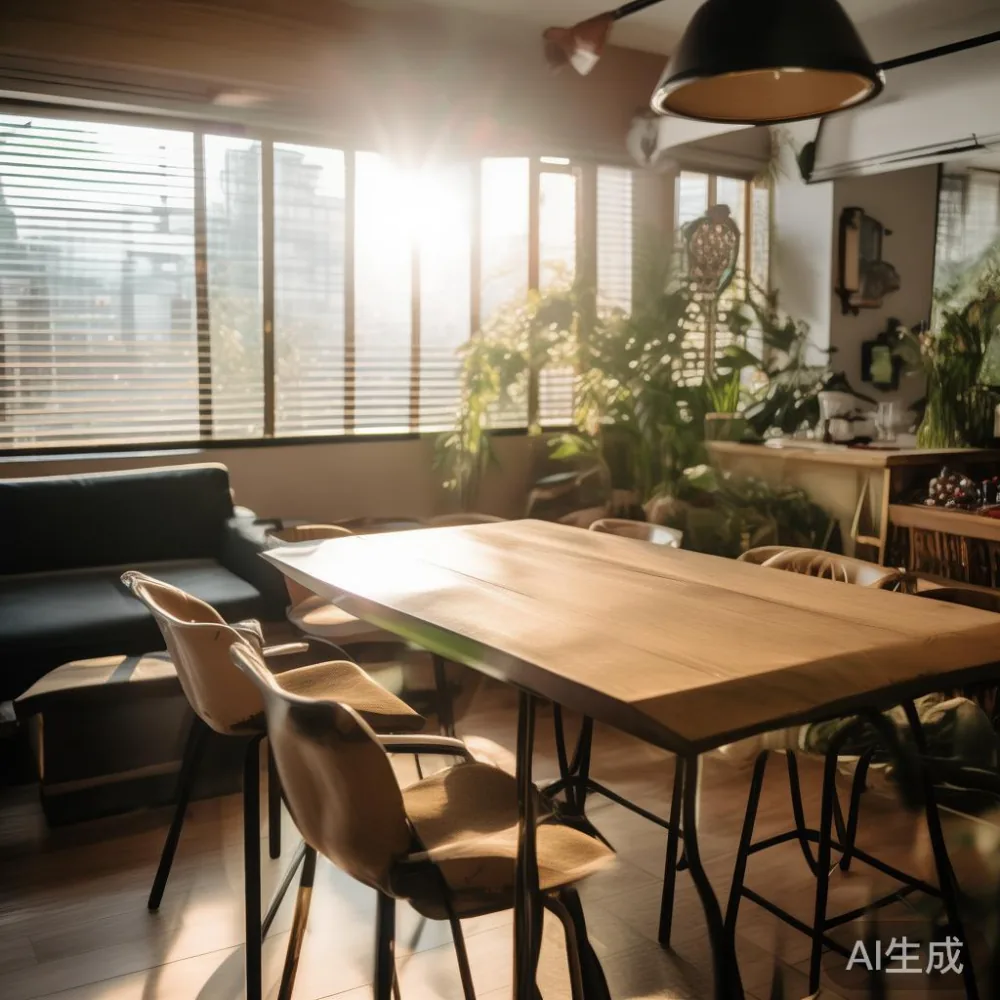
Will the sofa fit through my HDB lift and corridor?
Measure the complete route before ordering, not only the intended position in the living room. Record the lift car width and depth, the height of the opening, the width of the landing, and any door or corridor turns. In many Tampines, Bedok, and Punggol blocks, the critical dimension is the narrowest point, which can be around 80-90 cm even when the lift itself appears generous.
Ask the retailer for the sofa’s packed dimensions rather than accepting the showroom dimensions. A solid wood sofa with separate cushions and detachable legs may fit even when the assembled width is 220 cm. A fixed upholstered frame may not. Legs can often be removed, but that should be confirmed in writing.
For corridor manoeuvring, compare the sofa’s diagonal and depth with the clear turning area. A 210 cm long sofa with a 95 cm depth will not always pivot through a 180 cm lift opening without tilting. The delivery team may need to stand it on one end, remove the back, or use a lifting strap, but a staircase or ceiling fan can still prevent the planned approach.
Also check whether the building has booked service-lift rules, protective floor coverings, or a delivery fee. A service lift in a condominium may be reserved by management, and the earliest available slot could add 7-14 days. Photograph the route and share the measurements with the supplier before dispatch. That simple step prevents a 220 cm sofa from stopping at the lobby.
How do I check comfort without sitting on it?
Try the sofa if possible, but do not rely on a 15-minute showroom rest. People often remain seated because they are testing the furniture; they do not reveal how the sofa feels after 2 hours of scrolling, eating, or watching a film.
Seat height is a useful starting point. A height of 40-43 cm suits many adults and makes standing easier, while 44-47 cm can feel more lounge-like but may strain shorter users. A 55-58 cm sofa depth may support reclining, yet an effective seat depth above 60 cm can leave the lower back unsupported. The back cushion should meet the user at the lower or middle back rather than the shoulders.
Cushion density must be handled carefully. A high-density foam core around 35-42 kg/m³ can resist rapid collapse, but density alone does not determine comfort. The foam must have a suitable resilience rating, a balanced layer structure, and a surface that does not become hot. Polyester fibre wrapping can soften the initial feel, while feather or down content can make the sofa inviting without removing the support structure.
Test the arms and edges too. The arm should support the forearm when the user sits back, but it should not force a narrow posture. A firm edge is useful for getting up, especially for an older adult. The seat cushions should recover within roughly 10-20 seconds after being pressed. If a hollow develops quickly and the foam remains visibly compressed, expect poor long-term performance.
Last month I visited my colleague in Bedok and tested a cream-coloured three-seat sofa that looked exceptionally light in the showroom. The frame was stable, but the seat sat at 45 cm and the usable depth reached 64 cm. I could recline for 20 minutes, yet I could not comfortably use a laptop or eat dinner at the table. The lesson was immediate: visual luxury does not guarantee useful posture.
What should I inspect in a solid wood sofa?
If the product is described as a solid wood sofa, “solid wood” should apply to the visible structural frame, not merely the legs or decorative panels. Ask whether it uses solid hardwood, solid rubberwood, plywood, or a mixed construction. A mixed build can be entirely appropriate if each material has a defined purpose, but the retailer should explain the specification rather than use one broad label.
Look at joints, rails, and load paths. A quality sofa should use screwed, dowelled, or properly joined components rather than relying on short nails to hold a frame together. The seat deck should support the cushions across its width without visibly bowing. For a 200 kg three-seat sofa, test the centre section under load; the rail should not flex dramatically or produce creaking.
Check stability by placing both palms on the seat rail and applying controlled pressure. The frame should resist twisting. Sit near one arm and then the other to compare movement. Uneven rocking can come from an uneven floor, removable feet that have not been tightened, or a frame that lacks adequate bracing.
Upholstery deserves the same attention. Pull gently at a seam and inspect the stitching. The fabric should be tightly woven, the seam allowance should remain intact, and the cover should not appear stretched over a frame corner. Martindale abrasion ratings can help compare fabrics: around 20,000 cycles suits lower-use furniture, while 30,000-50,000 is more practical for a family living room. Ask for the actual test result instead of assuming it from the fabric name.
How high should the back and arms be for real use?
A high back can create a sheltered lounge appearance, but it may not support a normal sitting position unless its angle and lumbar zone are coordinated. A back height of 85-90 cm is common for a three-seat sofa. A 70 cm back can feel visually lighter and work well in a compact HDB living room, but it may be less suitable for reclining.
Test the angle in small increments. Around 100-105 degrees supports a relaxed seated posture; beyond 115 degrees can feel comfortable for television viewing but may require extra neck support. The lumbar cushion should sit near the user’s lower back. If it floats 10 cm too high, it becomes decorative rather than supportive.
Arm height between 58-65 cm can support the arms while seated. Higher arms can help a user rise, but they can also narrow the usable seat and make side-facing conversation less convenient. In a condo living room, coordinate these proportions with the nearby bar table. A bar table at 105-110 cm high can work with a counter-height stool, but a conventional 72-76 cm dining table needs a separate seating zone if the sofa is intended for meals.
French light luxury styling often favours clean lines, restrained upholstery, and slender-looking arms. That visual effect can still be achieved over a stable internal structure. American light luxury may use deeper cushions and more generous proportions; if that is the intention, confirm that the comfort is matched by a supportive frame rather than by softness alone. The comparison light luxury sofa vs Modern sofa is useful here: “modern” describes a style, while “light luxury” describes a level of finish, and neither answers the ergonomic question.
Can I compare the design without confusing style labels?
Labels can blur important distinctions. The French sofa vs Japandi sofa comparison usually involves more than pale timber versus darker timber. Japandi commonly emphasises low profiles, functional simplicity, and a calm connection between Japanese restraint and Scandinavian practicality. French-inspired seating may use curved edges, tailored details, and a softer silhouette. Both can contain solid wood, but neither guarantees a comfortable seat.
Evaluate the specific sample in front of you. Remove a cushion if permitted, inspect the deck, and sit without leaning against the back for the first 10 minutes. A seat that initially feels firm may settle into a usable shape. One that feels perfectly balanced on arrival may lose its support after the fibre compresses.
Look at the front profile as well as the plan view. A sofa that appears generous from above can have a shallow usable seat hidden by loose cushions. Check the gap between the seat and back, the position of the back cushions, and whether decorative pillows reduce the effective width. For a 210 cm sofa, two large throw pillows can consume 30-40 cm of usable seating space.
Material combinations should also be realistic for Singapore’s humidity. Solid wood can remain stable when properly finished, while veneer and plywood may be used in curved or engineered sections. Check whether the finish is water-based, low-odour, and intended for indoor use. A good retailer should explain care, rather than promise that a maintenance-free surface exists.
What do delivery, returns, and warranty terms actually cover?
Read the terms before choosing a seller. MIDHILL states a 10-year structural warranty and lifetime refinishing for qualifying furniture, which offers useful long-term assurance for a solid wood frame. Ask for the document that defines “structural” coverage. Frame joints, rails, and specified solid wood components may be covered, while foam, fabric, moving parts, and accidental damage may have separate terms.
Lifetime refinishing can mean many things. Confirm whether it covers scratches, water marks, colour changes, and refinishing labour, or whether it is a service entitlement subject to assessment. A clear answer should identify the process, likely turnaround, and any charge for transport. The warranty should not obscure wear that develops from ordinary use.
Delivery is part of the purchase, especially for a large sofa. Confirm the delivery window in working days, the lift booking process, and whether the quoted service includes assembly, packaging removal, and placement. Do not assume that a free shipping threshold applies to furniture delivered to Singapore. Any local quotation should be stated in SGD and should state whether GST is included.
A 14-day return window is helpful, but verify whether it applies to made-to-order upholstery, custom dimensions, and items delivered to a non-mainland address. Some sellers treat these products as final sale because they cannot be resold. Request an exception in writing if you need a custom size. For a large purchase, a deposit of 30-50% may be requested before production; ask what evidence confirms that the item has entered production.
What questions should I ask before paying?
Ask for the dimensions in a single written specification: width, depth, height, seat height, usable seat depth, arm width, back angle, door clearance, and frame composition. Ask for the packed weight as well. A sofa weighing 65 kg needs a different delivery approach from one weighing 105 kg, and the weight tells you whether two movers or three are appropriate.
Request the care instructions and a material sample if possible. Hold the fabric in different light and test it against a colour card. The same off-white textile can look warm under a yellow downlight and grey under a condominium’s cool LED lighting. For solid timber, request an image of the finished frame and the finish used on all exposed edges.
Do not let a broad shopping phrase replace technical information. A request for the best Rustic sofa for 2026 may produce a fashionable recommendation, but it does not establish seat density, joinery, or dimensions. Likewise, a search for under 2000 Scandinavian furniture may yield useful style references without confirming whether the piece can pass your lift or withstand daily use.
The same discipline applies to related furniture. For Mid-century modern for bedroom projects, check that a bed frame fits the intended mattress and can be moved into the bedroom. A European bed vs Nordic bed distinction may concern the visual language, but the platform clearance, headboard thickness, and doorway route still decide practicality. A dining table needs 90 cm of clearance behind each seated person, a wardrobe needs its doors opened against adjacent walls, and a nightstand should align with the mattress rather than merely fit beside it.
How should I prepare for the sofa’s arrival?
Clear the route at least 24 hours before delivery. Remove shoes, plants, floor mats, and fragile objects from the corridor where permitted. Measure the final position and tape its outline on the floor. Leave a clear path from the lift to the living room, and protect corners with the building’s approved method.
Check the floor for levelness. Small shims can correct a 5-8 mm difference beneath sofa feet, but a larger gap may indicate an uneven deck. Do not improvise with loose timber blocks under a load-bearing foot. If the sofa has adjustable feet, tighten them evenly and then check the frame again.
Inspect the package before the delivery team leaves. Photograph the outer carton, corners, seams, and legs. Confirm that the item matches the colour, dimensions, and finish ordered. If damage exists, note it on the delivery document and photograph it before unpacking. Keep the packaging for several days because a concealed frame or cushion issue may emerge after the first night.
Give the sofa a fair trial rather than judging it in 5 minutes. Use it for one evening at normal room temperature, sit at different times of day, and notice where your body settles. For a Singapore home, leave ventilation around upholstered surfaces and follow the cleaning guidance. Avoid placing a damp sofa directly against a wall, and rotate loose cushions periodically so wear develops evenly.
A worthwhile sofa should do more than fill a photograph. It should enter the home without damaging the corridor, support the body through ordinary hours, and retain its shape over years of use. Verify the route, dimensions, construction, comfort, and warranty in writing, then treat light luxury as a finish standard rather than a substitute for good design. That discipline protects both your SGD investment and the pleasure of sitting down at the end of the day.