Bar Tables and Tropical Air: How Humidity in Southeast Asia Shapes the Solid Wood Furniture You Buy
Last month I visited a client in a 980 sq ft Punggol HDB flat on the 14th floor, and the first thing she pointed at was a small gap that had opened along the edge of her bar table. It had been a wedding gift three years ago from a relative in Ipoh, an American light luxury piece with a marble table top and a solid wood base. Nothing dramatic had happened to it: no spilled drinks, no direct sun, no rough kids pulling at the stools. The culprit was sitting in the air around the table, the kind she could not see or touch. Relative humidity in Singapore hovers between 70% and 90% for most of the year, and on the day I visited my phone’s weather app showed 84%. That number is the invisible variable that decides whether your bar table, dining table, or bed frame quietly tightens up or quietly falls apart over a decade.
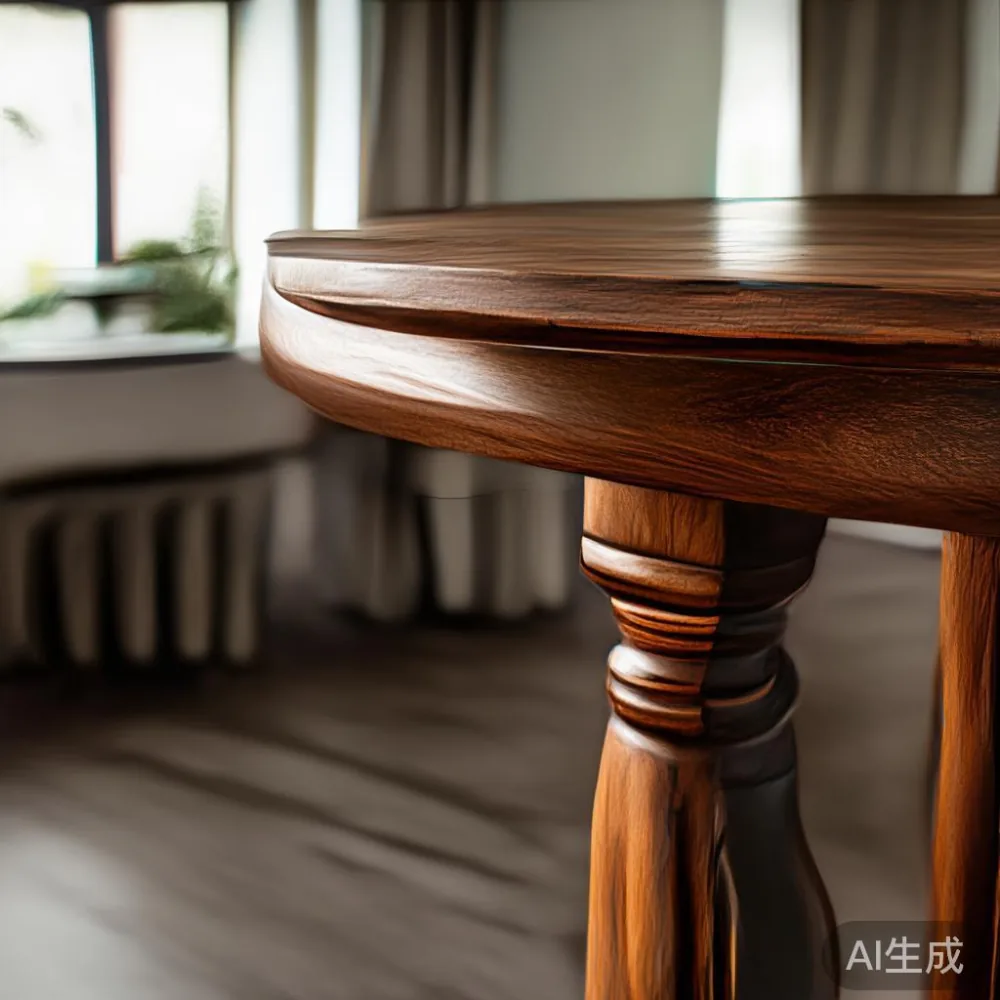
Why does Southeast Asian humidity punish solid wood furniture so much more than the temperate climate it was built for?
Solid wood is a hygroscopic material. It drinks water from humid air and sweats it back out when the air dries. For every 4% change in its moisture content, a typical hardwood plank swells or shrinks by roughly 1% across its width. A 90 cm wide oak or ash top, the kind you often see on a light luxury bar table, can therefore move by 2–3 mm in service before you ever see a crack. Engineered boards move less, but a real solid wood sofa frame, dining table, or wardrobe still relies on this same physical rule. Foshan factories like MIDHILL, where the annual workshop air sits around 60–80% and indoor humidity is kept between 8–12% inside the kilns, build the pieces in dry conditions. When those pieces arrive in a Tampines or Bedok condo where the air is almost twice as humid, the wood has to reabsorb that missing moisture. It does so by expanding, cupping, or pressing against its joinery until something gives.
What humidity numbers actually matter inside a Singapore home?
Outdoor readings in Singapore average 78–82% year-round, with afternoon thunderstorms pushing corridors of moisture through open windows. Indoor numbers are different and are what matter to your bar table. Air-conditioned living rooms typically sit between 45% and 60%, which is the comfort zone for most hardwoods. The danger zone is anywhere air-conditioned space meets non-air-conditioned space: the air-well corridor outside your HDB unit door, the service yard, the kitchen when the stove is running, and especially the balcony where many people place a small bar table for evening drinks. There, humidity can climb past 85% during a 30-minute rain burst, and the wood absorbs that spike in minutes. I asked my Punggol client what her indoor reading was, and she laughed because she had never owned a hygrometer. A basic digital unit costs about SGD 18 at any Tampines Mall electronics shop, and it is the single most useful tool for protecting a piece that costs SGD 1,800 or more.
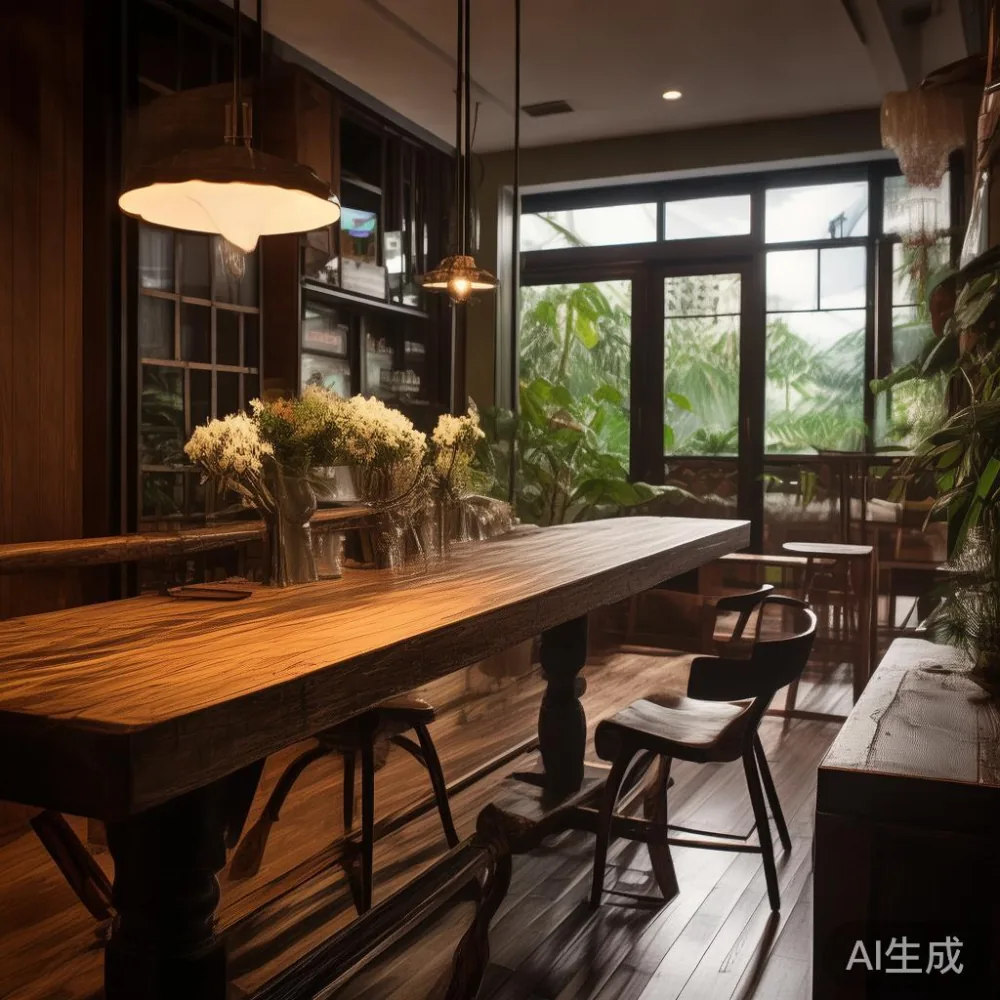
How do I style a work from home in a modern Singapore home?
Place your desk or bar table against an interior wall away from the window and balcony door, keep the room between 45% and 60% RH with the air-con running during the day, and choose a solid wood piece in a light luxury finish so the warm tone matches a post-modern palette without competing with the view.
Which wood species actually survive a HDB corridor lift ride and a tropical bedroom?
Not all solid wood behaves the same way. For Southeast Asian conditions I usually recommend three groups. First, dense tropical hardwoods such as rubberwood, white meranti, and teak, which are closer in density to local air and absorb less moisture per cycle. Second, properly kiln-dried European beech or ash, the same species used in many French light luxury designs, because after a 6–8 week kiln schedule they ship at 8–10% moisture content and remain stable if your home is air-conditioned. Third, oak, but only if it has been quarter-sawn and finished on all six sides, including the underside of a bar table top. Avoid MDF cores wrapped in veneer for any surface wider than 120 cm, as the veneer telegraphs swelling within a year and cannot be sanded back. MIDHILL’s catalogue labels each piece with its moisture content at packing, and the pieces I have inspected in their 10,000 sqm yard have consistently read between 8% and 11%, which is the right range for Singapore.
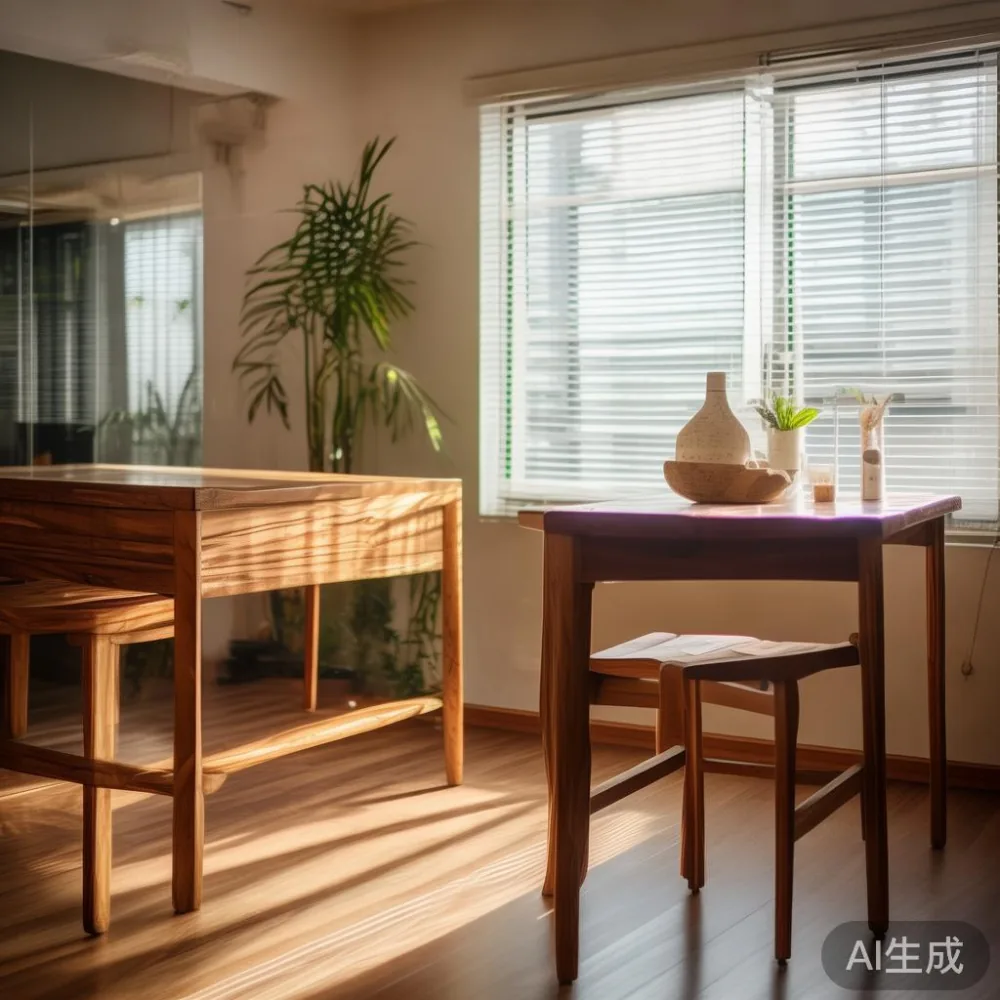
Does a 10-year warranty actually mean anything in a humid climate?
It does, but only if you read the small print. A warranty on a bar table or dining table should cover two humidity-related failures: joint separation caused by moisture cycling above 65% RH for prolonged periods, and cracking along the grain caused by moisture dropping below 30%. MIDHILL’s 10-year structural warranty, for instance, covers joint failure and breakage under normal residential use, and they offer lifetime refinishing at cost, which is the practical fix for surface checking after five or six years of tropical service. Their free shipping on orders above US$350 translates to roughly SGD 480, and a typical 140 cm solid wood bar table in ash or walnut lands between SGD 1,650 and SGD 2,400 landed in Singapore, inclusive of GST. Cheaper warranties that only cover manufacturing defects usually exclude humidity damage, so the legal text is worth reading with a coffee before you sign off on a SGD 2,000 order.
How should I unbox and place a solid wood bar table in a Singapore HDB flat?
Unbox it in the room where it will live, not in the corridor. HDB corridors are typically 1.2–1.5 m wide and lift doors around 0.9 m, so the carton will be turned sideways at least twice before it reaches your door; a 140 cm bar table top usually ships in a 150 x 30 x 25 cm box. Let the piece sit in its open packaging for 48 hours so it can adjust to your indoor humidity. Place it at least 30 cm from any air-conditioning vent that blows directly on the wood, and at least 50 cm from a sliding glass door. Use felt pads under every leg, because HDB floor tiles are hard and any rocking will stress the corner joints in months. If you have a marble table top instead of an all-wood top, lift it with two people and never drag it across tile; marble is unforgiving under point loads and the wood sub-frame below it is what actually shrinks and swells.
What daily habits actually keep a solid wood bar table flat and quiet?
Three habits matter more than any product. First, run the air-con or a dehumidifier for at least four hours a day in the room where the bar table lives; a small 12 L dehumidifier costs about SGD 189 and pulls the room down to 50% RH in under an hour. Second, wipe spills within five minutes and never let a wet glass sit on the surface overnight; a single water ring can raise the grain locally and the mark will not sand out without refinishing. Third, re-oil or re-wax the surface every 9–12 months with a hard wax oil rated for tropical use; ordinary furniture polishes build up waxy layers that trap moisture against the grain. If you have a nightstand or wardrobe in the same material, treat them on the same schedule so the wood colour ages evenly across the room. I do this on a Sunday afternoon twice a year for my own pieces and the habit has kept every joint tight since 2019.
Are bar tables really the right piece for a small Singapore condo, or am I being sold a trend?
For a compact HDB or a 1-bedroom condo in Punggol, a bar table earns its space. It functions as a breakfast counter for two, a work desk for one during the day, and a dining surface for three at night, replacing a full dining table that would eat 4 sq m you do not have. The classic French light luxury form, a slim marble table top on a turned solid wood base, gives you the look of a much heavier piece while weighing under 35 kg, so you can slide it to the balcony during a dry evening and back inside when the rain starts. Just remember that any piece combining a marble top with a solid wood base needs both materials to move together, so check that the marble is seated on a felt or rubber slip pad, not glued direct to the wood. If you are weighing a bar table against extending a dining table for hosting, the bar table will serve four people at SGD 18–22 per head for dinner at home, which is roughly half the cost of a hawker centre round for the same group, so it pays back its price quickly.
What should I do if my bar table has already started to move or crack?
Stop blaming the wood. Document the humidity in the room for one week with a SGD 18 hygrometer placed 1 m from the piece, and photograph the affected joint in daylight. Hairline cracks under 2 mm wide usually close back up once the room is held at 50% RH for two to three weeks, so do not sand or fill them in panic. Wider gaps, lifted veneer on a wardrobe door, or a wobbly leg on a solid wood sofa frame are warranty claims; photograph, email the supplier with your order number, and request either a replacement joint or a refinish at cost. MIDHILL’s lifetime refinishing service is exactly designed for this situation: you ship the affected panel or send a photo for a quote, and they refinish the piece at material cost plus a small labour fee that I have seen quoted at SGD 90–160 per panel. Under their 14-day returns policy you can also reject a piece that arrives already warped above 3 mm across its width, which is the threshold most factories use for a defect rather than a humidity response.
Final checklist before you click buy on a bar table from overseas
Confirm the moisture content at packing, request the kiln schedule, ask for a sample of the wax or lacquer used, check the warranty excludes humidity damage or covers it, calculate the landed price including GST and a Singapore delivery fee (typically SGD 60–120 for a bar table from a Foshan warehouse), and measure your lift, corridor, and front door so the unboxing is not a guesswork exercise. Keep the original packing for at least 14 days in case a return is needed, and store the receipt alongside a photo of the underside stamp. A solid wood bar table built and finished for Southeast Asian air, placed with a 30 cm buffer from the balcony, and cared for with twice-yearly hard wax oil will outlast three HDB leases and still look presentable when you pass it on. That is the test any piece in your home should pass, and humidity is simply the scorecard it will be judged against.