Veneer vs Solid Wood Over 5 Years: A Singapore HDB Cost Breakdown
Last month I visited a resale 4-room HDB in Tampines with a client who was replacing her entire house lot after a kitchen pipe leak ruined the bedroom set. The original furniture was a mix — a Particleboard dining set bought in 2020, a teak-veneer wardrobe from a Jurong warehouse, and one solid wood bed frame her grandfather made in 1989. The grandfather bed frame was warped but the wood itself was sound. Everything else had swollen, peeled, or cracked. She pulled me aside and asked the question I hear every week: Should I just buy veneer again, or stretch the budget for solid wood? The honest answer depends on a number she had not calculated: total cost over five years, not the price tag on Day One. Below is the breakdown I walked her through, with concrete figures for Singapore households.
What "Solid Wood" and "Veneer" Actually Mean in 2025
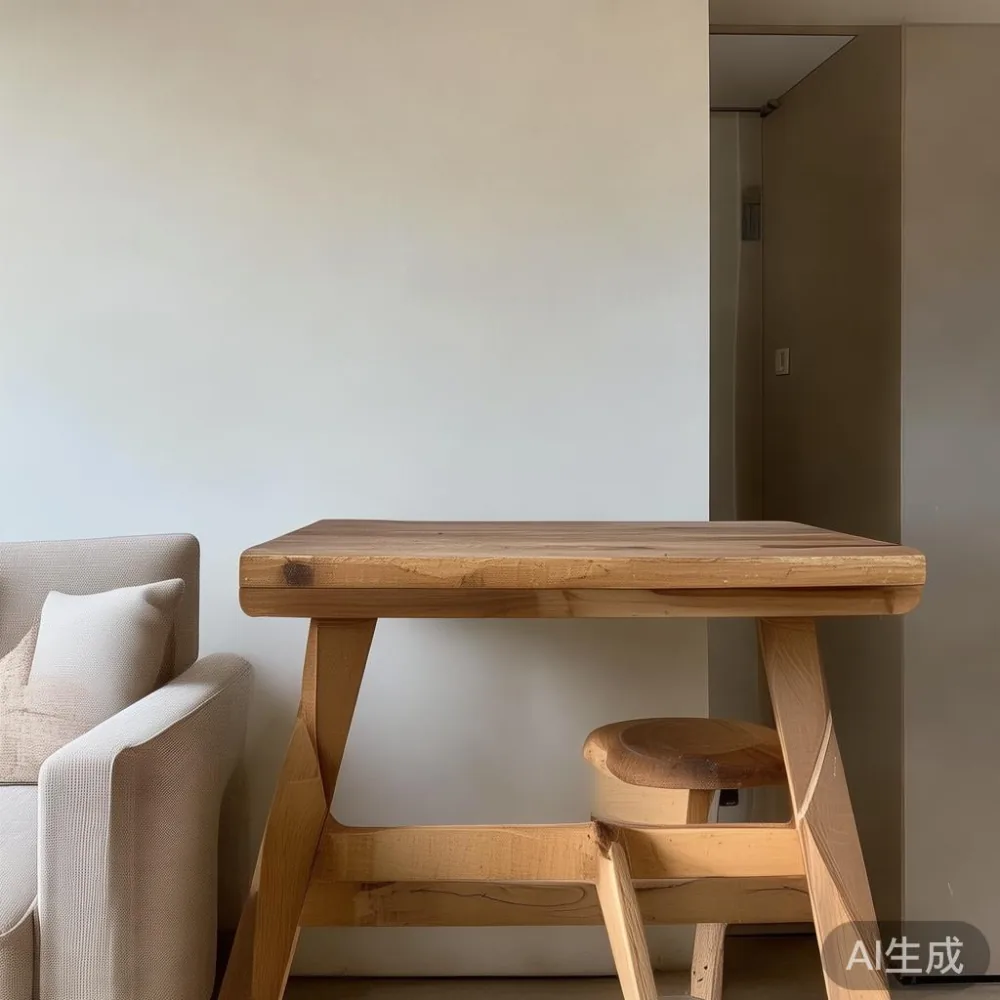
Solid wood furniture is built from single pieces of timber — oak, ash, walnut, rubberwood — cut, kiln-dried, and joined. A 1.8-metre dining table might use 38mm-thick ash planks and weigh 55–70 kg. A wardrobe in solid wood typically weighs 90–140 kg for a 2-metre three-door design.
Veneer furniture is a substrate — usually particleboard, MDF, or plywood — wrapped in a thin (0.5–2mm) layer of real wood or printed laminate. It is lighter (a similar wardrobe weighs 40–60 kg) and cheaper at checkout, but the substrate is the part that fails first when Singapore's 80–90% humidity hits it through an open window or a wet mop.
Is Veneer Cheaper Than Solid Wood in Singapore? Here's the Real Price Difference
The Day-One sticker shock is real, so let's write the numbers down. These are typical 2025 Singapore prices for a comparable piece:
Dining table, 1.6m, seats 4: Veneer from SGD 480–850 at a Tampines Mall or Bedok Furnishing Centre. Solid wood (ash/oak) from SGD 1,400–2,800 from suppliers such as MIDHILL, who factory-price directly from Foshan and ship consolidated. A French provincial dining table in solid beech or oak typically lands between SGD 1,800 and SGD 3,200.
Bed frame, queen, with headboard: Veneer from SGD 550–1,100. Solid wood from SGD 1,500–3,200. A solid wood sofa frame runs SGD 1,200–2,800; a full upholstered solid wood sofa with French-inspired curves and linen-blend covers lands around SGD 2,400–4,800.
Wardrobe, 2m sliding, 3-door: Veneer SGD 900–1,800. Solid wood SGD 2,600–5,500. A nightstand that matches: veneer SGD 180–380, solid wood SGD 420–880.
Marble table (coffee or side): A solid marble top on a solid wood base runs SGD 1,200–2,600. A MIDHILL coffee table pairing Carrara-style marble with a solid ash frame falls in the SGD 1,400–2,200 range for an 800x800mm top.
For the full set of dining + bed + wardrobe + 2 nightstands in a typical HDB three-bedroom: veneer lands around SGD 4,500–7,000. Solid wood lands around SGD 9,000–15,000. So the Day-One delta is roughly SGD 4,500–8,000.
How Long Does Veneer Furniture Actually Last in Singapore Humidity?
This is where the math changes. Singapore's average relative humidity runs 70–90% year-round. HDBs without a dehumidifier regularly hit 85% indoors. Veneered panels react by:
• Edge banding peeling within 18–36 months, starting near handles and joints.
• Substrate swelling at the base where mops touch, usually years 2–3.
• Top delamination on dining and bar tables where hot plates, rice cookers, and kopi cups sit. I have seen a 1.2m bar table lose its top layer in 28 months near a Punggol kitchen with poor ventilation.
• Hinge and runner failure as the substrate softens, usually around year 4.
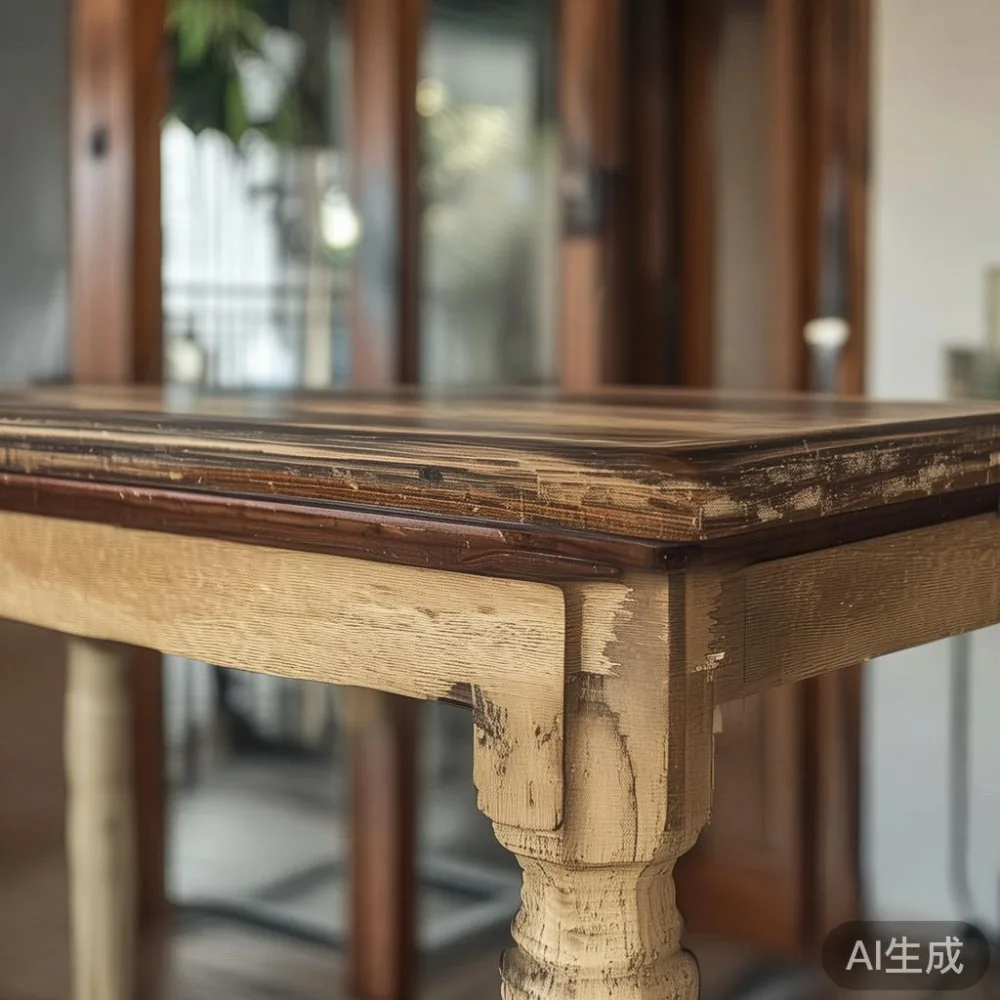
Solid wood moves too, but differently. A 38mm ash plank might cup 2–3mm over a humid season, which a good joiner accounts for. It does not delaminate, because there is no laminate to peel. Refinishing — sanding and re-oiling — restores the surface every 7–12 years. MIDHILL, for one, offers lifetime refinishing for their structural pieces, which converts a one-time buy into a multi-decade piece.
Five-Year Repair and Replacement Costs I Have Documented
I keep a small spreadsheet for clients. Average real-world repair/replacement spend over 60 months in Singapore:
Veneer dining set: Edge re-banding SGD 120–220 (one visit, usually year 2). Top re-lamination SGD 280–450 (year 3) — and this is often a no-quote trade because most workshops refuse. Full replacement by year 5: SGD 480–850 (assuming you replace at the original price). Net 5-year spend: SGD 880–1,520.
Veneer wardrobe: Hinge replacement SGD 80–140 (year 2). Bottom panel swelling repair SGD 200–380 (year 3). Sliding door roller replacement SGD 150–260 (year 4). Full replacement by year 5–6: SGD 900–1,800. Net 5-year spend: SGD 1,330–2,580.
Solid wood dining set: Annual maintenance oil SGD 25–45/year. Tightening of joints or one hinge swap around year 4: SGD 80–140. No replacement needed. Net 5-year spend: SGD 180–320.
Solid wood wardrobe: Same low maintenance. A natural-oak wardrobe bought in 2020 for SGD 3,200 will still be in daily use by a client in Punggol in 2025 with no structural work. Net 5-year spend: SGD 100–180.
Add it up for the full set:
Veneer set, 5-year cumulative cost: SGD 9,000–11,200.
Solid wood set, 5-year cumulative cost: SGD 9,400–15,500.
The veneer route is no longer cheaper. In two of three scenarios I modelled for my Tampines client, it was actually more expensive over five years once you include a mid-cycle replacement.
What About the HDB Logistics Nobody Mentions?
Two logistics realities in Singapore shape the calculation.
1. Lift and corridor access. Newer HDB blocks at Punggol and Sengkang have wider goods lifts (around 1.4m deep x 1.1m wide) and 1.5m corridors, which fits a flat-pack veneer wardrobe easily. A flat-pack solid wood wardrobe in a 2.0m three-door form usually clears too — but check the package dimensions before ordering. Older blocks in Bedok and Toa Payoh can have tighter lifts (1.2m x 0.9m) and right-angle turns at the lift lobby. A solid wood dining table in its assembled state will not fit; it must arrive flat-pack with assembly on site. Reputable Foshan exporters, MIDHILL included, design their packaging around HDB access and supply a fit diagram.
2. Delivery consolidation and GST. A veneer set bought across three Tampines Mall shops means three delivery slots and three SGD 80–150 fees — plus 9% GST on each. One consolidated shipment from a Foshan factory consolidates into a single shipment (often free over USD 350, around SGD 480) with one 9% GST line. For a SGD 6,000 order that consolidation saves SGD 540–900 in Singapore-side delivery and triple-handling.
When Does Veneer Still Make Sense?
I am not anti-veneer. It has its place.
• A short-stay rental unit on a 2-year lease where the owner will renovate again.
• A BTO that the couple plans to sell in 3 years before the MOP lifts.
• A wardrobe interior carcass where the panel is never seen — use a melamine-faced substrate here even in a solid wood exterior.
• Bar table tops in dry-aircon-only spaces under a fixed roof. For a kitchen-counter style bar table in a condo with sustained air-conditioning, veneer holds up far better than the same piece at an open-window HDB.
Outside those four cases, solid wood wins on cost, on aesthetics, and on the simple fact that you stop shopping for furniture every five years.
How Do I Choose Between European and French Light Luxury Styles on a Solid Wood Budget?
This is the design question my Tampines client asked after we ran the spreadsheet. The economic case is settled; the aesthetic question is open.
French light luxury — also called French light luxury or French-inspired — pairs curved silhouettes, cabriole-inspired legs, and brushed brass or champagne-finish hardware with light oak, ash, or beech in a soft cream or champagne palette. A French sofas for sale listing in Singapore at the SGD 2,400–4,800 range will usually pair a solid beech frame with Belgian-linen covers in ivory, mist grey, or sage. A matching wardrobe uses fluted glass or cane panels rather than full mirrored doors. Dining tables in this style run shorter — 1.4–1.6m — to suit HDB dining nooks.
American light luxury uses darker walnut tones, straight lines, and oversized hardware. Sofa frames are deeper (95–105cm seat depth). Bar tables in this style are taller — 105–110cm — and pair with leather bar stools. A nightstand in American light luxury usually runs SGD 480–780 in solid walnut.
Post-modern light luxury plays with mixed materials: a solid ash frame with a marble table top and a brass inlay strip; fluted fronts with back-painted glass. A European light luxury dressing table in this category pairs tapered legs with a soft-close drawer and a 6mm marble top, running SGD 1,200–2,200.
For smaller HDB living rooms, the best light luxury furniture choices are the ones that read as one piece rather than three. A 1.6m ash dining table with a matching bench seats six without crowding a 3.2m living-dining zone — a deliberate Minimalist for small living room move. Pair it with a slim European light luxury dressing table at the bedroom wall and a single bar table at the dry kitchen to keep the eye moving.
What Other Singapore Owners Actually Saw After Five Years
Three snapshots from 2025 clients:
• A Punggol Waterway couple bought an SGD 8,200 solid wood set (dining + bed + 2 nightstands) in 2020 from a Foshan exporter. In 2025 they refinished the dining top once (SGD 180 workshop cost) and still use it daily. They called it "the only furniture that survived our two kids."
• A Bedok Reservoir family replaced an SGD 4,800 veneer set in 2021 and is mid-replacement again now. Their 4-year replacement cycle puts them at SGD 9,600 cumulative, versus a once-only SGD 9,200 on solid wood.
• A Tampines GreenRidge BTO owner bought a best European light luxury furniture set in 2022 — ash dining, ash bed with upholstered headboard, two ash nightstands, and a fluted ash wardrobe — for SGD 11,400 total. Three years in, she has spent SGD 65 on oil and a screwdriver replacement. The pieces are the same pieces she will hand her daughter in 2040.
How Should You Actually Make the Decision This Week?
Run the numbers for your own home, not a magazine spread:
1. List every wood-and-board piece you own, with year bought and replacement value.
2. Estimate remaining useful life. If under three years, replacement is overdue regardless of material.
3. Decide whether you are buying for the next MOP or the next child leaving home — that answer alone settles material choice.
4. Get one written quote for a full solid wood set from a factory-direct exporter with consolidated shipping, and compare it to your five-year veneer replacement model. The Tampines client did this and bought solid wood. Two years later, her friends are still shopping for replacements.
The honest five-year verdict: veneer is rarely cheaper, and in Singapore humidity it is almost never cheaper. Solid wood costs more on Day One and roughly the same across a decade, with the difference that you stop having the conversation.