Solid Wood vs Veneer: A 5-Year Cost Comparison for Singapore Bar Tables
A bar table is often treated as a decorative accent, yet in a compact Singapore home it becomes a daily meeting point, breakfast station, laptop desk, and display surface. For residents of HDB flats in Tampines, Bedok, and Punggol, the choice between solid wood and veneer is not simply about appearance. It involves lift access, corridor turning space, humidity, maintenance, replacement parts, and the cost of having a bulky table carried into the home.
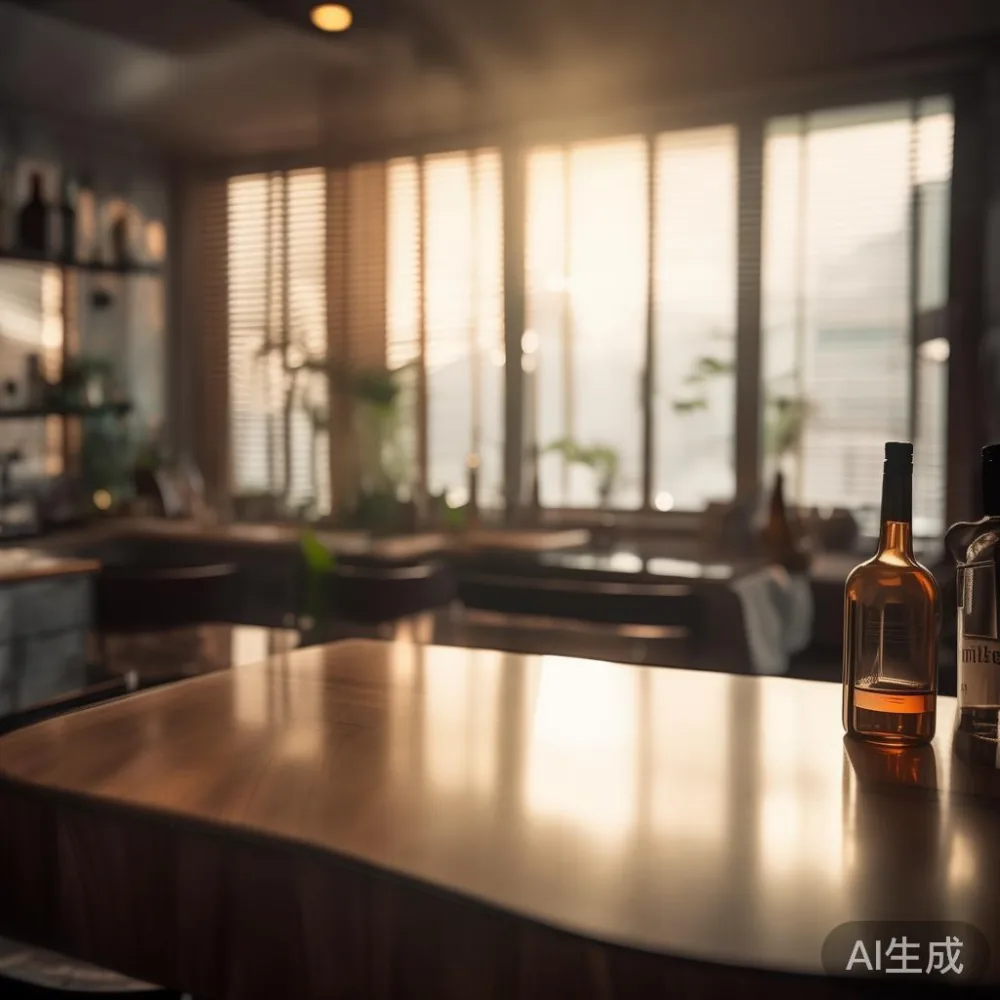
This comparison follows one practical scenario: a 120 cm wide, 75 cm high bar table with a solid timber top or a wood-veneer top on an engineered base. Prices are stated in SGD, include a normal 9% GST assumption where relevant, and focus on a 5-year ownership period. Delivery estimates refer to Singapore addresses; the time needed to reach the warehouse may vary by production schedule and destination.
MIDHILL has built bar tables since 2008 and ships to more than 15 countries. Each piece carries a 10-year structural warranty, while refinishing support remains available for its lifetime. These terms matter here because a long service life changes the arithmetic: the cheaper purchase price does not always produce the lower 5-year cost.

What is the real difference between a solid wood bar table and a veneer bar table?
A solid wood bar table uses timber through the visible top and, in well-made examples, structural components. A veneer bar table uses a thinner layer of decorative wood bonded to plywood or another engineered substrate. Veneer can reproduce convincing grain and warm colour because real timber slices are used, but the layers below the face differ from solid wood.
For the example used in this comparison, the solid wood bar table is priced at SGD 1,280 and weighs approximately 38 kg. The veneer bar table is priced at SGD 760 and weighs approximately 29 kg. Both have a 120 × 75 cm top, with a 60 cm clearance below for dining chairs. The 9 kg weight difference may save one worker roughly 15 minutes during unpacking, but it does not guarantee easier access through every corridor.
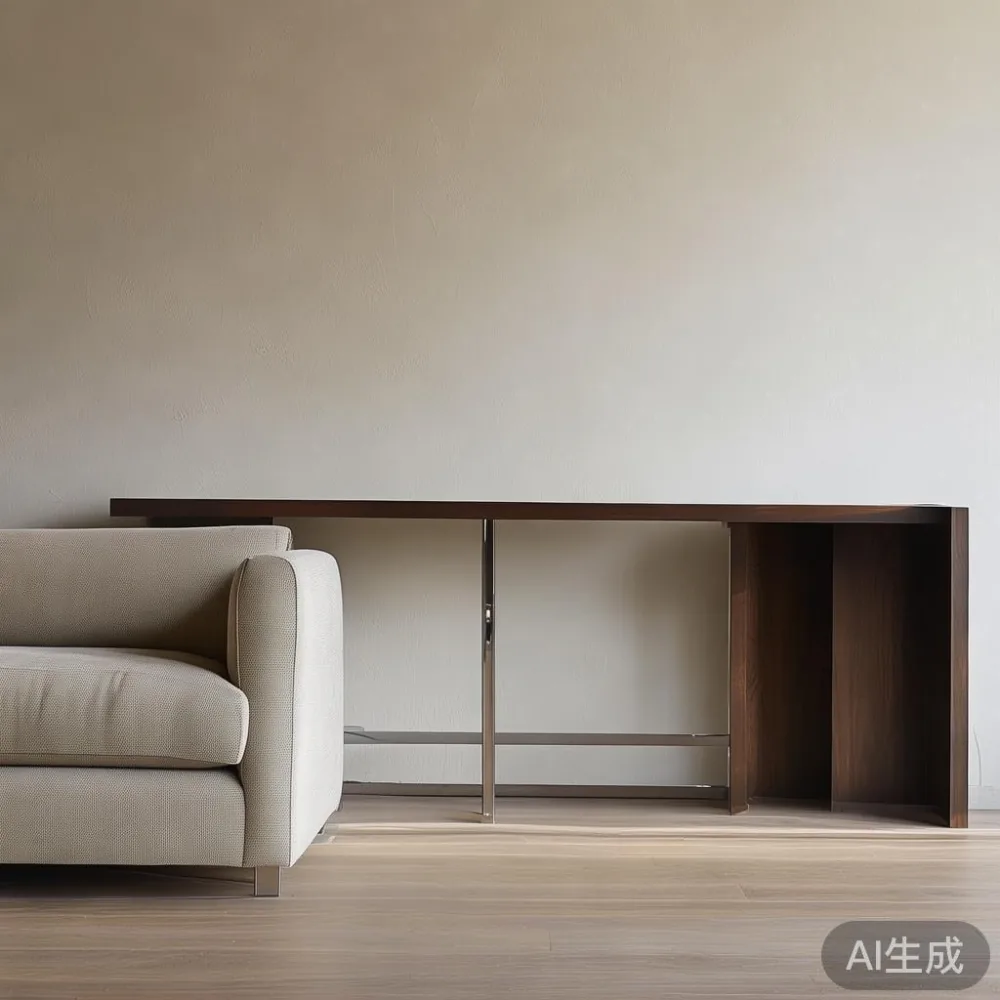
A 120 cm top can be carried through a standard HDB lift if its diagonal and packaging fit within the lift car and doorway. Many newer Tampines and Punggol blocks provide suitable access, while older Bedok blocks may have narrower corridors, sharp turns, or a lower ceiling. Measure the lift car, lift door, staircase width, and the narrowest turn before ordering. A table that fits the lift length but fails at the corner can still add an extra delivery day.
Solid wood generally reacts more visibly to humidity. In Singapore, where indoor relative humidity often ranges from 60% to 80%, a 5 cm solid timber top may expand by roughly 2–4 mm across its width over seasonal changes. A quality plywood core is more dimensionally stable, so a well-made veneer bar table may have less movement. The trade-off is that a damaged veneer edge cannot be repaired as convincingly as a chipped solid timber edge.
This distinction also shapes the language used in furniture retail. French light luxury tends to celebrate carved timber, gentle profiles, and crafted joinery; American light luxury often favours clean geometry and understated solid wood. Post-modern light luxury may pair a timber top with metal or coloured forms. A solid wood bar table fits the first two approaches particularly well, while a carefully detailed veneer bar table can suit a more graphic post-modern room.
How much do the two bar tables cost over 5 years?
The initial solid wood bar table costs SGD 1,280. Adding delivery in Singapore at SGD 80, GST of about SGD 123 on the table, and a delivery GST charge of SGD 7 brings the delivered total to approximately SGD 1,490. The veneer bar table costs SGD 760, with SGD 80 delivery, about SGD 73 GST, and SGD 7 delivery GST, for a total near SGD 920.
Maintenance assumptions are intentionally modest. Solid wood receives 2 careful refinishing and conditioning treatments in 5 years at SGD 95 each, plus SGD 40 for consumables and minor hardware checks. Veneer receives edge and surface maintenance once per year at SGD 35, for 5 visits totaling SGD 175. Solid wood also carries a possible repair allowance of SGD 120 for one edge or joint incident; veneer carries SGD 80 because edge work may require replacement rather than a simple fill.
On these assumptions, solid wood reaches roughly SGD 1,890 over 5 years before any claim. Veneer reaches approximately SGD 1,175. The opening difference is therefore SGD 570, not merely SGD 520 at the checkout.
| 5-year item | Solid wood | Veneer |
|---|---|---|
| Table | SGD 1,280 | SGD 760 |
| Delivery | SGD 80 | SGD 80 |
| GST and delivery GST | SGD 130 | SGD 80 |
| Planned maintenance | SGD 230 | SGD 175 |
| Repair allowance | SGD 120 | SGD 80 |
| 5-year total | SGD 1,840 | SGD 1,175 |
Those figures assume both tables remain in the same home and receive ordinary care. The solid wood table costs about SGD 665 more over the period, or approximately SGD 133 per year. At the same time, its higher residual value changes the economic result. A sound solid wood bar table may retain about 55–65% of its initial retail value, while a used veneer table may retain roughly 20–35%, depending on substrate condition and appearance.
If resale value is included at year 5, an estimated SGD 704 solid wood resale value and SGD 235 veneer resale value narrow the net ownership gap to about SGD 296. That is still a meaningful difference, but it should not be treated as a guaranteed sale price. Used furniture depends on condition, platform demand, photographs, and local pickup.
Is a solid wood bar table worth the extra SGD 520?
The answer depends on how often the table is used and whether it is intended to remain in place for at least 5 years. A family using the bar table every day for meals, homework, drinks, or work creates more wear than a display table used twice a month. Solid wood can be sanded and refinished, provided the repair follows the grain and the remaining finish is compatible.
Last month I visited a Punggol condo where the owners had replaced a failing veneer breakfast bar with a 120 cm solid oak bar table. Their original table had swollen at one veneered edge after a nearby air-conditioning condensate leak. The replacement fitted the lift car with 4 cm to spare and cleared a 90 cm corridor turn. Delivery took 7 days from order to arrival, including one day reserved for a failed first delivery attempt caused by a parked trolley in the lobby.
The owners’ experience highlighted a less obvious point: the substrate matters as much as the face. Veneer is not a weak material in every construction, and a poor solid wood table can still move or split. The better comparison is between a sound engineered core and a sound solid timber table, not between good veneer and poor timber.
For a temporary rental apartment, a veneer bar table can be sensible. For a family expecting to keep the same table through 2 children, 2 house moves, and at least 1 repair, solid wood offers more repair options. Its warmer response to touch also suits the French light luxury styling often used around a home bar, while restrained proportions can carry an American light luxury aesthetic.
Buyers researching adjacent furniture should also apply the same material logic to a solid wood sofa, bed frame, dining table, wardrobe, nightstand, or marble table. A marble table may provide a cool, durable surface with different maintenance needs, while a dining table experiences heavier loads than a bar table. A wardrobe has large moving panels, and a nightstand has little room for edge repair. The most useful purchase is the one whose material and construction match its daily demands.
What can happen to each bar table during normal Singapore use?
Solid wood is vulnerable to scratches, heat, standing water, and rapid moisture changes. Place coasters under a warm mug and use a trivet beneath a hot pan. Wipe spills within 10 minutes and avoid leaving a damp glass overnight. A humidifier set near 50% relative humidity can reduce seasonal movement, though Singapore’s climate makes this optional rather than mandatory.
A veneer bar table needs similar discipline. Water can travel beneath the veneer edge and weaken the adhesive bond, causing lifting or swelling. Avoid using steam, soaking the surface, or applying solvent directly. Use a pH-neutral cleaner and a soft microfibre cloth. For kitchen or bar use, a felt-backed coaster is inexpensive at SGD 8–15 and may prevent a ring that becomes difficult to polish away.
Move either table by lifting the frame rather than pulling it by the top. For a 38 kg solid wood bar table, use 2 people if stairs are involved. For the 29 kg veneer version, 2 people are still advisable through narrow corridors because awkward shapes remain awkward even when the weight is manageable.
Transport damage should be understood before delivery. Confirm whether packaging, insurance, and return collection are included. A 2% damage allowance on the solid table is about SGD 26; on the veneer table it is about SGD 15. If insurance is charged separately, add the quoted premium to both totals rather than assuming it is free.
MIDHILL provides a 14-day return window and lifetime refinishing for eligible solid wood purchases. The refund terms and condition requirements should be checked before accepting the table. A returned table that has been installed may have different collection charges from one left in its packaging.
How does delivery affect the cost of a bar table in an HDB flat?
Singapore delivery may cost SGD 80 for a normal urban address, but stairs, carrying distance, and restricted parking can add charges. A lift fee might be SGD 10–30; a second-floor walk without a lift might add SGD 40–80. These amounts should be requested in writing because a “free delivery” message elsewhere on a site can refer only to qualifying orders over US$350.
For this comparison, a quoted SGD 80 assumes a lift and clear corridor access. If the residence lacks a lift, the solid table could add SGD 60 because of its weight, while the veneer table may add SGD 40. Over 5 years, that difference becomes SGD 20, far smaller than the purchase and repair gap.
Measure the packed bar table rather than the bare product. Allow at least 4 cm around diagonal sections and check that the carton can stand in the corridor without blocking a fire door. For a condo, add the parking-to-lobby distance and any loading bay reservation charge to the quoted amount.
Production and delivery commonly require 20–35 days, although stock, finish choices, and peak periods can shift the schedule. The delivered table should be checked within 48 hours for dents, veneer lifts, loose joints, and finish marks. Photograph all sides before assembly. This record takes about 5 minutes and helps resolve transit issues more quickly.
Should a bar table buyer choose solid wood or veneer?
Choose veneer when the priorities are a lower initial budget, lighter handling, consistent appearance, and minimal seasonal movement. Choose solid wood when the table will be used daily, moved occasionally, kept for many years, or repaired rather than discarded. A 5-year calculation supports veneer for short-term use and solid wood for long-term ownership, although resale value narrows the difference.
The decision also depends on the style vocabulary of the room. Searching for the best French provincial sofa for 2026 can introduce soft curves and pale timber, while a solid wood bar table can provide a useful vertical anchor. A guide to light luxury sofa vs Italian light luxury sofa is a separate choice, but both conversations often reward tactile natural materials rather than plastic imitations. For storage, the best Rustic wardrobe for 2026 and best Coastal wardrobe for 2026 show how solid wood can suit different palettes, while Industrial for dining room design benefits from a bar table with visible structure and durable surfaces.
In hospitality, Italian light luxury for hotel projects often requires repeatable finishes, precise dimensions, and serviceable materials. The same principles suit a Singapore family: good joinery, replaceable hardware, moisture-aware construction, and realistic maintenance planning. A hotel-grade marble table may resist stains but requires specialist handling, so it should not be judged against timber without separating function, weight, and care.
For the 120 cm example, solid wood costs about SGD 1,840 over 5 years before resale and approximately SGD 1,136 after estimated resale; veneer costs about SGD 1,175 before resale and roughly SGD 940 after estimated resale. Solid wood is the stronger long-term option for frequent use, while veneer is the clearer budget option for a temporary setting.
Check access before ordering, ask for the full delivered price, and keep the finish and maintenance instructions. Those details can prevent a few surprising dollars from becoming the most expensive part of the bar table purchase.