Unveiling Price Factors in Solid Wood Furniture
Solid wood furniture does not have one universal price. A 120 cm dining table can cost several times more than a superficially similar model because the timber grade, joinery, finish, dimensions, and maker all affect the final invoice. The same applies to a solid wood sofa, bed frame, wardrobe, nightstand, and marble table. For Singapore buyers furnishing HDB flats and condos in Tampines, Bedok, and Punggol, delivery logistics and space constraints matter as much as the catalogue price.
MIDHILL has manufactured solid wood furniture in Foshan since 2008 and exports to more than 15 countries. Its 10-year structural warranty and lifetime refinishing service show why furniture pricing must cover long-term support, not merely the object visible in a showroom. Below is a practical breakdown of what creates price differences, with figures that make comparisons easier.
Why do two solid wood dining tables have such different prices?
The material label is only the starting point. A dining table may use solid timber across the top, frame, and legs, or combine solid wood with plywood, engineered boards, metal fittings, or stone. Those constructions can appear similar in photographs but behave very differently over 10 years.
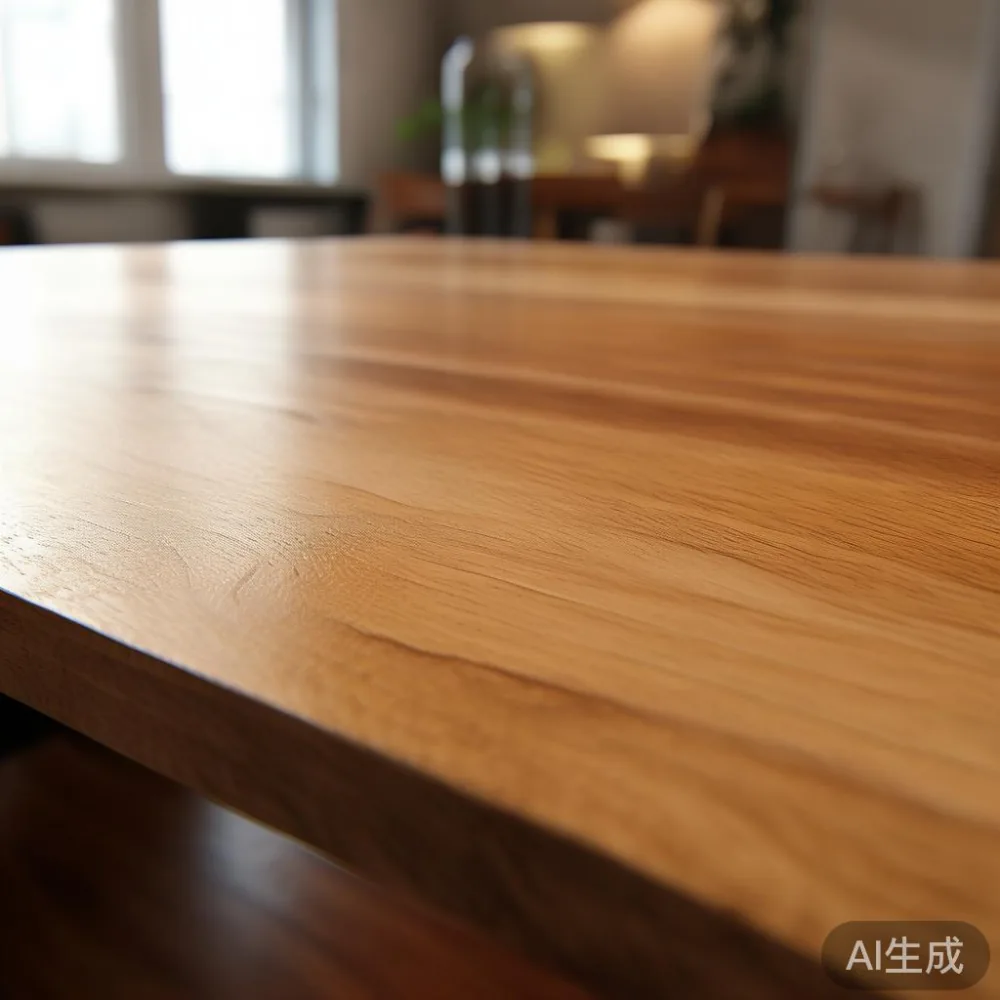
Consider a 180 × 90 cm dining table with a 4 cm top. If one version uses a 4 cm solid slab and the other uses a veneered surface over 18 mm engineered board, the hidden difference may account for SGD 600 to SGD 1,800 of the price. A full solid construction may use around 65 kg of timber; a mixed construction could use 40 to 50 kg. Weight is not proof of quality, but it can reveal whether substantial parts have been replaced with lighter cores.
Timber species and grade matter too. Oak, ash, beech, walnut, and rubberwood have different working properties and market prices. Within one species, select-grade boards with consistent colour and grain usually cost more than boards with knots, repairs, or wider tonal variation. The board thickness also influences cost: increasing a table top from 20 mm to 30 mm may add roughly SGD 250 to SGD 700 before labour and finishing.
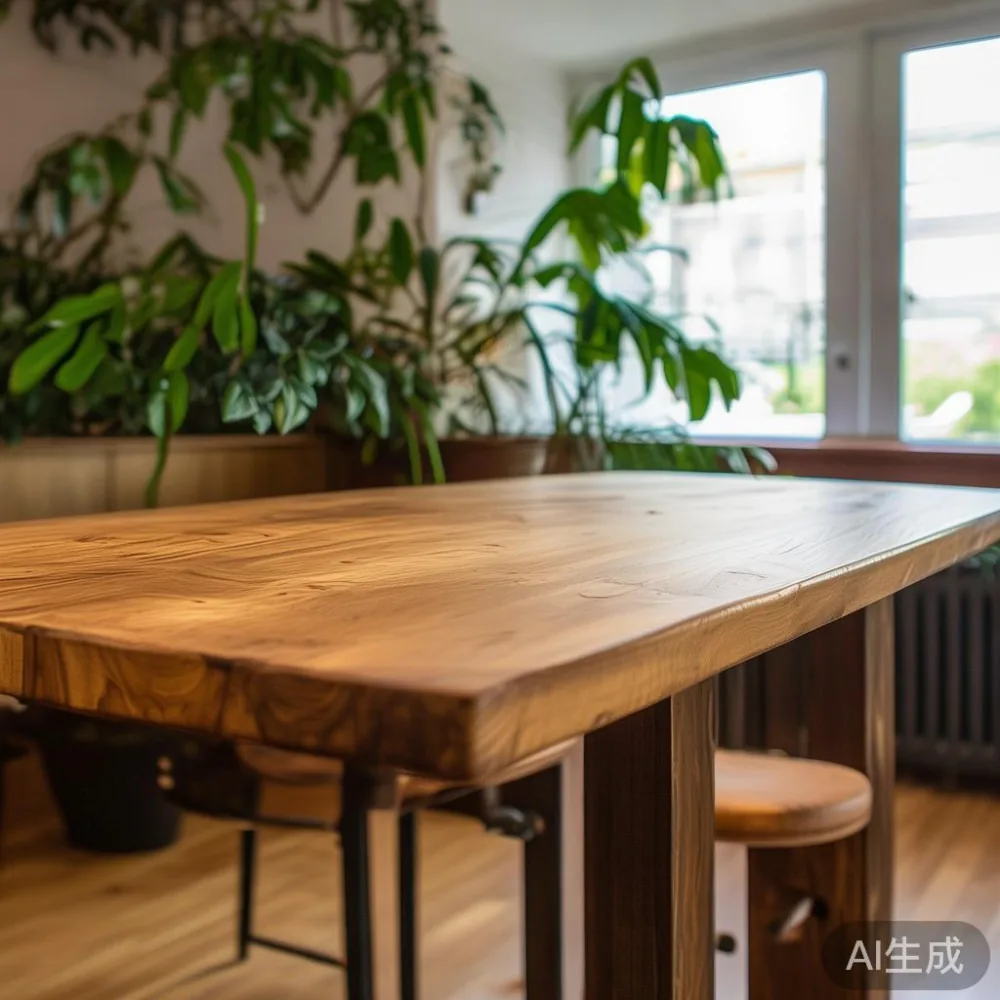
Joinery is another measurable factor. Mortise-and-tenon joints, dovetails, and properly fastened rails resist movement better than short screws driven into chipboard. A qualified maker should identify the joints used, explain any engineered components, and provide structural drawings where available. If two tables share the same dimensions and wood species, the one with stronger joinery and a more controlled finish may reasonably cost SGD 300 to SGD 900 more.
Finish should be treated as a separate line item. Water-based polyurethane, hardwax oil, lacquer, and natural oil each have different labour times, repair methods, and maintenance demands. A hardwax-oiled top may require periodic care; a lacquered surface may be easier to wipe clean but harder to repair locally. Tested surfaces, clear pricing, and a written care guide are more useful than vague claims such as “premium finish”.
How much should solid wood furniture cost in Singapore?
Useful ranges are more informative than a single number. Prices below are typical retail planning ranges before GST, although promotions, custom sizes, and unusual timbers can change them.
- A 120 cm solid wood dining table commonly falls around SGD 900 to SGD 1,800.
- A 180 cm solid wood dining table with substantial joinery may range from SGD 1,600 to SGD 3,200.
- A 160–180 cm solid wood bed frame usually falls around SGD 1,100 to SGD 2,600.
- A 90–120 cm wardrobe with engineered backing may cost SGD 1,300 to SGD 2,800; a fully solid version can reach SGD 3,500.
- A 45–55 cm nightstand generally sits between SGD 320 and SGD 850.
- A 100–140 cm bar table with a solid wood top may be around SGD 600 to SGD 1,500, depending on height, bracing, and finish.
- A 3-seat solid wood sofa may range from SGD 2,400 to SGD 5,500, while a 4-seat version can reach SGD 7,000.
These figures should not be compared without checking like-for-like specifications. Two dining tables at SGD 1,200 may differ by 10 mm in top thickness, 15 cm in length, the timber grade, and whether the legs are solid or assembled from smaller components. Two bar tables can also differ because one has a 100 cm counter height and the other has a 75 cm dining height.
Singapore pricing also includes GST. For a SGD 1,500 table, 9% GST adds SGD 135, giving a payable total of SGD 1,635. A 5% GST calculation mistake can make a high-value piece appear deceptively affordable.
Buyers comparing options can use the exact phrase for sale Industrial furniture when checking marketplace listings, but should verify timber species, solid-versus-veneered panels, and construction details. Low marketplace prices sometimes exclude delivery, assembly, or damage claims for narrow HDB corridors and older lifts.
Does a larger order automatically give me a lower furniture price?
Volume purchasing can improve unit economics, but not every large order receives a lower percentage. A maker may reduce a 5-piece dining set by 8% while keeping delivery as a fixed charge. A bar table purchased with matching stools can still require separate packaging and two bulky cartons. The saving depends on packing density, factory routing, and whether local assembly is included.
Here is a simple comparison. Three bar tables at SGD 850 each total SGD 2,550. A 10% set discount lowers that to SGD 2,295, saving SGD 255. If delivery to a Bedok condo is SGD 180, the saving is still visible. However, if each table travels separately and freight rises by SGD 120, the net benefit becomes SGD 15.
Material is often more influential than order size. Changing one 120 cm bar table from rubberwood to oak can add SGD 350 to SGD 900. Adding a thicker top may add another SGD 180 to SGD 420. Upgrading from standard lacquer to a more repairable hardwax oil might add SGD 90 to SGD 250. These costs often remain even when several pieces are ordered together.
Request a written quotation showing the item price, discount, GST, delivery, assembly, and any access-related charges. A percentage saving sounds attractive, but the final payable total is the figure that should guide the decision.
How do Singapore homes affect the price?
Access is a major factor that online-only sellers may overlook. A standard HDB lift interior may be about 100–110 cm wide and 120–140 cm deep, though building-specific measurements differ. A sofa packed at 210 cm long cannot always turn through a 90 cm landing and enter the lift. A bar table boxed at 145 cm can be impossible to manoeuvre down a common stairwell even if it would fit flat inside the unit.
I visited a Punggol condo last month to inspect a dining table delivery. The lift was 110 cm wide, but the turning clearance near the lobby was only 95 cm. The original 190 cm table carton had to be opened in the loading area and the top and base carried separately. That added 25 minutes of labour, although the normal delivery charge remained SGD 160. Had the table not been flat-packable, the service could have cost another SGD 120 to SGD 250.
In Tampines, narrow corridors can also rule out a wide wardrobe assembled in one piece. A 180 cm wardrobe might need to enter as two 90 cm modules, then be fixed inside the bedroom. This is a design advantage for modular products, but hinges, fasteners, and alignment must still be engineered properly. A low-cost wardrobe with weak drawer runners may cost more to operate over 5 years than a better-made unit with durable runners.
Buyers should measure the lift door, cabin depth, hallway corners, stair turns, and bedroom doorway before ordering. Give the supplier the carton dimensions, not just the finished furniture dimensions. MIDHILL offers free shipping above US$350, but the threshold uses a different currency from a Singapore retail price; local GST and delivery terms should therefore be confirmed in writing.
What role do light-luxury styles play in the price?
Light luxury does not mean “cheap with fancy names”. French light luxury often uses pale oak, cream upholstery, gentle curves, and restrained brass details. American light luxury tends to combine substantial proportions, deep seats, and darker stained woods. Post-modern light luxury may introduce sculpted edges, mixed materials, and carefully controlled contrast.
Each style can affect cost through labour and material selection. French light luxury may require a softly shaped solid wood sofa frame, higher-density foam, and pale finishes that demand more sanding. Post-modern details may add CNC work, hand finishing, or a marble table surface. A marble top on a 100 cm bar table may add SGD 500 to SGD 1,400 because slabs vary in thickness, vein pattern, weight, and wastage.
For wardrobes, door profiles and drawer counts matter more than decorative handles. A 180 cm wardrobe with six doors, soft-close hinges, and solid timber drawer fronts may cost SGD 2,600 to SGD 4,200. A similar-looking model with printed surfaces and basic hardware may be SGD 900 cheaper, but it may not offer the same feel, repairability, or movement control.
Search terms such as best light luxury wardrobe for 2026 can help identify current visual references, yet buyers should still inspect the actual construction. Style labels cannot replace a timber sample, hardware specification, or showroom test.
How much should I pay for a solid wood sofa or bed frame?
A solid wood sofa combines a timber frame with suspension, foam, fibre, fabric or leather, and craft labour. The visible frame may represent only part of the cost. For a 3-seat model, the frame and internal suspension may account for roughly 35% of retail pricing, upholstery for 25%, mechanisms and foam for 25%, and packaging, delivery, and overhead for the balance.
Buyers searching for the best Japandi sofa for 2026 should focus on seat density, frame joints, and removable covers rather than low-profile appearance alone. A 210 cm sofa with kiln-dried solid wood framing and high-resilience foam may cost SGD 3,200 to SGD 5,800. Lower-cost versions can use plywood or mixed timber frames, thinner foam, and fixed covers. Those differences affect comfort and serviceability, not just price.
A bed frame follows similar logic. A 160 cm solid wood bed frame with a slatted base may fall around SGD 1,300 to SGD 2,500. A thicker headboard, centre support leg, and under-bed drawer can add SGD 250 to SGD 900. Those structures are useful in compact Singapore bedrooms, where a queen bed may occupy 153 × 198 cm of floor area.
Readers evaluating the best Scandinavian bed for 2026 should check clearances and slat spacing, especially if buying a mattress separately. The same knowledge applies when working out how to choose Japandi bed: match the frame’s internal width to the mattress, confirm centre support for heavier users, and leave at least 5 cm between the frame edge and nearby walls where possible.
What should a fair structural warranty include?
A warranty protects the buyer only when its scope, exclusions, and claim process are clear. A 10-year structural warranty is meaningful if it covers the timber frame, joints, and load-bearing rails. It should distinguish structural defects from ordinary movement, finish wear, accidental damage, and wood checking. Some makers require photographs, order records, and an assessment before approving repair or replacement.
Lifetime refinishing is another long-term value proposition, but check what is included. Does it cover one refinishing service, or repeated refinishing? Are transport, labour, and new materials charged? Can a customer replace a scratched bar table top after 7 years? A service without a written process may hold less practical value than it first appears.
MIDHILL’s lifetime refinishing offer and 10-year structural warranty are useful points to compare with other makers, but buyers should obtain the current terms in writing. Ask how a claim is made, how long an assessment takes, and whether parts will be replaced rather than merely repaired.
What return period and delivery details should I expect?
A 14-day return period can reduce the risk of ordering furniture sight unseen. Confirm whether the clock starts from delivery or order confirmation, whether custom pieces are excluded, and whether the customer or maker pays return freight. For a bar table with a marble top, special packing and return charges may apply because a stone component is less forgiving of impact.
Delivery should have a stated lead time. Common Singapore orders may take 3 to 7 days for stocked designs and 4 to 8 weeks for made-to-measure furniture. Custom wardrobes may need 6 to 10 weeks, plus 1 to 3 days for local delivery. These are planning ranges rather than promises; peak periods, approvals, and shipping conditions can affect timing.
Check whether delivery includes carrying the carton to the door, bringing it into the room, assembly, and removal of packaging. A fee quoted only for doorstep delivery can add SGD 80 to SGD 250 if the item must move through a corridor or be assembled in a tight space. Lift reservation, weekend service, and stairs may carry separate charges.
Before payment, compare the complete package: furniture specification, GST, delivery, assembly, access, returns, warranty, and after-sales support. A lower item price is useful, but the price of solid wood furniture is best understood as the total cost of materials, construction, finish, logistics, and long-term care. That is the difference between a photograph that looks appealing and a piece designed to remain useful for years.