Bar Table: Solid Wood Price Insights in Singapore
Solid wood furniture can range from a modest dining table to a carefully made wardrobe, yet the visible appearance often hides most of the price. Timber species, board construction, joinery, hardware, finishing, size and delivery logistics all affect the final figure. Understanding these variables helps Singapore buyers compare quotations fairly instead of judging by thickness alone.
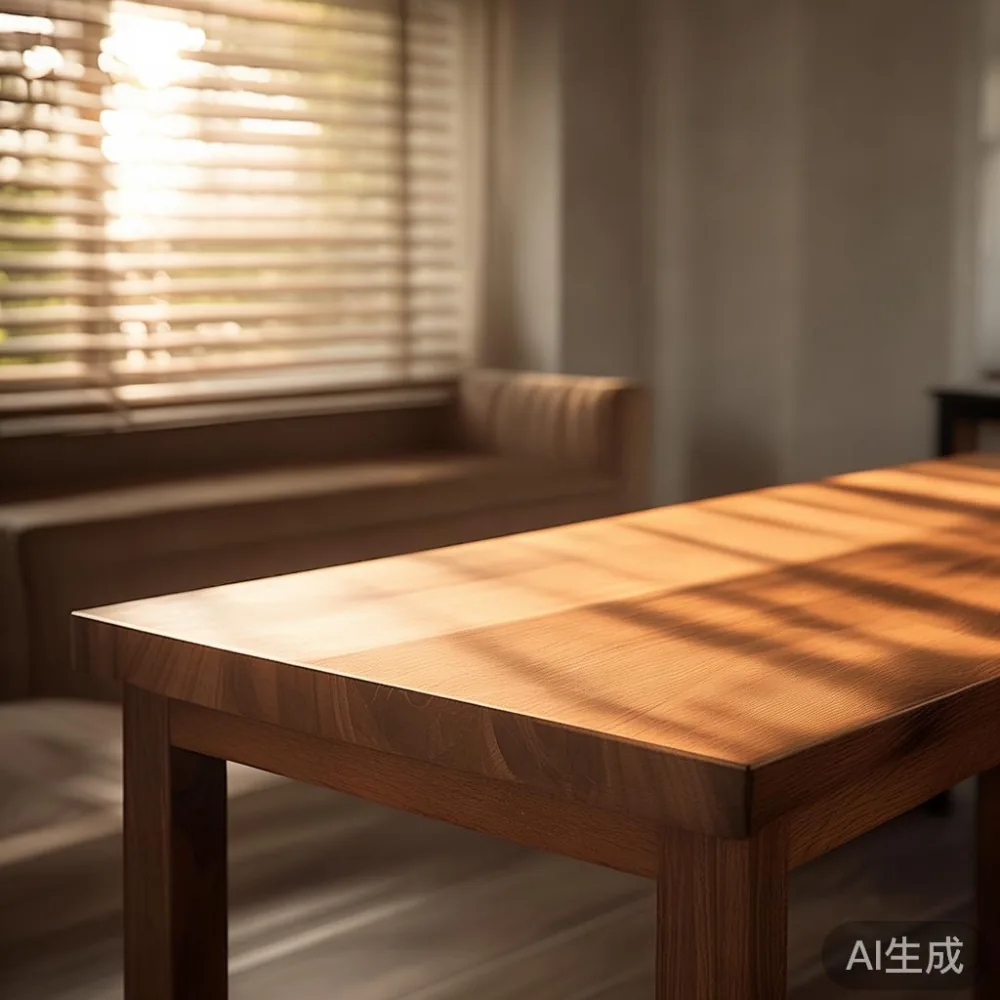
This guide focuses on solid wood bar tables and closely related pieces such as dining tables, bed frames, wardrobes, nightstands and sideboards. It also explains why solid wood sofa designs may use engineered components, why a marble table costs more than its timber equivalent, and how to assess an under 2000 Japanese furniture budget in Singapore.
Why does a solid wood bar table cost more than a similar-looking table?
A solid wood bar table looks simple because its components are few, but each component carries a measurable cost. A typical residential model may be 120 cm long, 45 cm deep and 105 cm high, with a 20–25 mm top and legs made from 50–70 mm sections. The timber alone might account for 35–55% of the retail price.
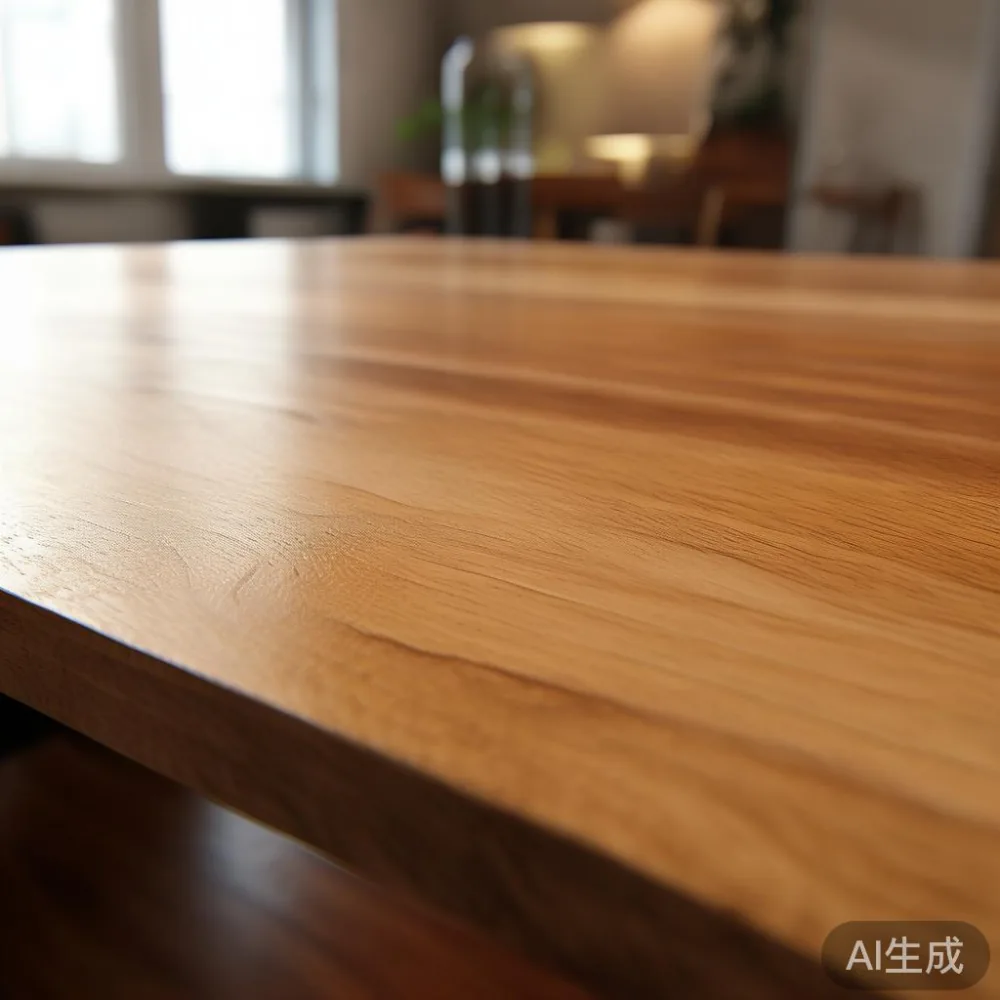
Species selection is one of the largest variables. Rubberwood and pine are more affordable, while oak, ash, walnut and cherry command higher prices because of supply, grain and processing demands. Moisture control matters too. For Singapore’s humid climate, responsible kiln drying targets roughly 8–12% moisture content for indoor furniture. Poorly dried stock may be cheaper at purchase but prone to warping, checking or joint movement later.
Construction determines whether the label “solid wood” describes the whole piece or only selected parts. A bar table with a solid timber top, solid apron and solid legs may cost more than a model with a veneered top and solid base. Veneer is not automatically inferior: a well-bonded 0.6 mm veneer can provide stability and an even appearance. However, it should be disclosed rather than presented as solid timber.
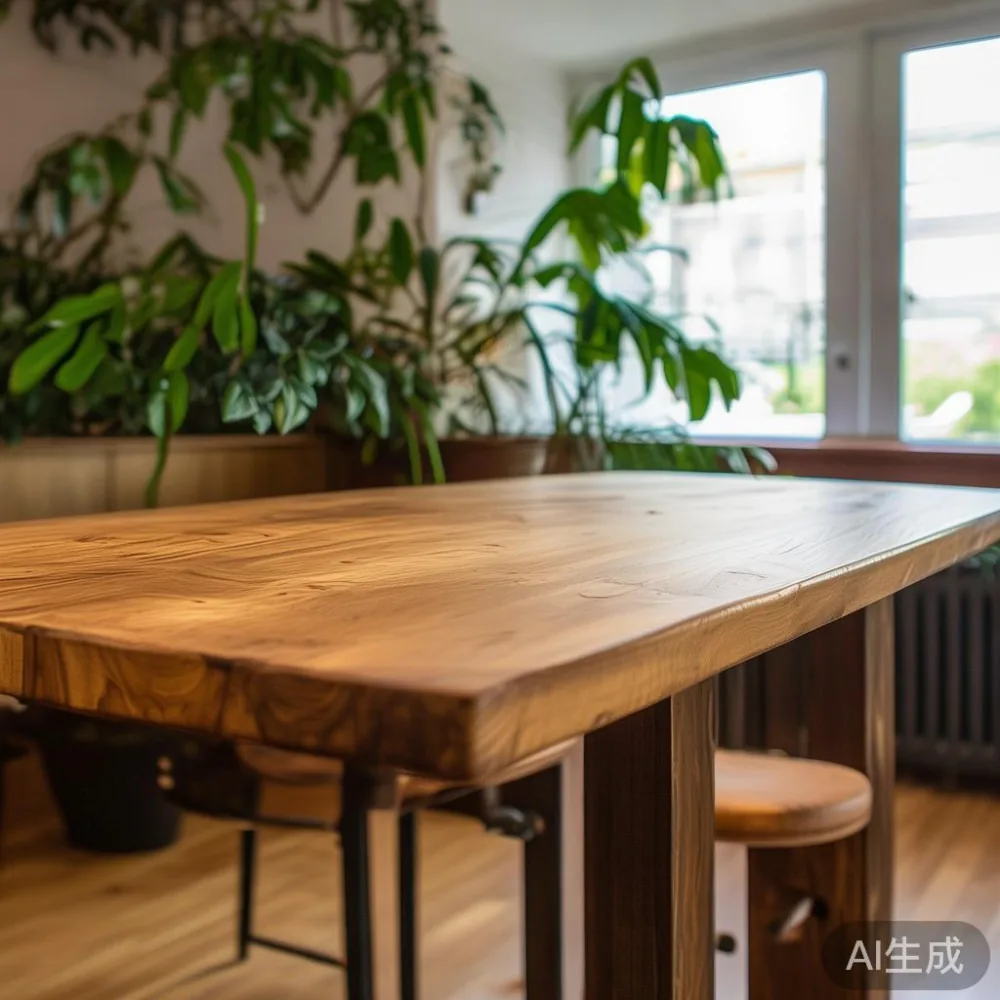
Joinery also affects price. Mortise-and-tenon joints, dowelled rails and reinforced corner blocks take more workshop time than simple screws hidden inside panels. The goal is not visual complexity but resistance to movement. A well-built 120 cm bar table should tolerate daily leaning, drinks and heat without wobbling.
Is timber thickness a reliable guide to furniture quality?
No. Thickness is useful, but thickness without construction can create a false economy. A 25 mm top made from poorly graded boards may be less durable than a 20 mm top with sound drying and tight joints. Board width, defects, grain direction and how the top is assembled all matter.
For a bar table, look for continuous grain where practical, restrained knots and controlled drying. Avoid severe filler use around knots, especially on surfaces that will receive hot pans or wet glasses. Ask the supplier which parts are solid wood and whether plywood, MDF or veneer appears anywhere.
Singapore households need practical measurements. A bar table placed against a dining wall might require 140–160 cm of width including circulation space. A common HDB lift interior is about 90 cm wide and 140 cm deep, while corridor widths can be only 100–120 cm. A 160 cm table assembled may not enter a 90 cm lift, even though its carton fits. This logistical constraint can add 20–80 SGD or require delivery outside normal hours.
My colleague last month visited a supplier workshop in Foshan and compared two almost identical oak bar tables. The 24 mm version had broad boards with two filled knots; the 20 mm version used narrower, better-graded boards and tighter joinery. The second table was about 90 SGD more and was clearly the better choice for a family home. That inspection made the price difference easier to understand than any material description alone.
How much should finishing and hardware add to the price?
Finishing is where quotations can become misleading. Water-based polyurethane, matte lacquer, oil and wax each have different labour, repairability and appearance. A clear matte coating may add 60–160 SGD to a bar table. A painted finish can add 80–180 SGD because preparation and multiple coats take longer than a straightforward clear coat.
French light luxury often favours pale oak, ash or walnut tones, fine profiles and quiet contrast rather than heavy carving. Post-modern light luxury may use rounded edges, slender frames and mixed materials. American light luxury tends toward generous proportions, straightforward construction and durable surfaces that can tolerate frequent use.
Hardware should be specified by function. A tilting bar table may need steel brackets, locking hinges and a tested support frame. A stationary table may use concealed screws and wooden cleats. Solid brass hardware can cost 35–120 SGD more than zinc alloy, but the main issue is fit and load rating rather than the shiny finish.
Weight provides another clue. A 140 cm solid oak bar table may weigh 45–65 kg, while a lighter pine model might weigh 25–38 kg. Heavier pieces can feel stable, but excessive weight makes delivery difficult and can damage lift thresholds. Confirm that packaging is palletised or reinforced and that the installer has a clear route from the loading point.
Are custom sizes and shapes responsible for higher furniture prices?
Custom work costs more because the maker must reserve labour for measuring, cutting and fitting rather than repeat a standard production run. A non-standard bar table length may add 10–25% to comparable stock. Curves, bevelled edges, mitred corners and integrated cable management can increase the total further.
A standard 120 × 45 × 105 cm table gives a supplier a repeatable process and usually the strongest delivery schedule. A custom 155 × 50 × 106 cm table needs more timber, may not match a standard carton and may require an extra 3–7 delivery days. Singapore condo corridors and lift turns should be checked before ordering.
For the kitchen or dining area, a 150–180 cm dining table with 180–200 cm of surrounding clearance often works better than a narrow bar table used for every meal. A bar table with a 45 cm depth allows stools to slide under it, but people still need 60–75 cm behind seated users. Compact HDB dining zones may therefore suit a 100–130 cm table more than a 160 cm model.
Custom sizing can also reduce waste. If a wall measures 137 cm, ordering a 135 cm bar table may look more deliberate than forcing a 150 cm unit into the space. The cost is sometimes lower than expected because a customer pays for the exact dimensions rather than for excess timber.
What about solid wood sofas, bed frames and other products?
The same pricing logic applies across categories. A solid wood bed frame may range from 900 SGD for a simple pine design to more than 3,000 SGD for a hand-finished oak or walnut version with slats, a shaped headboard and upgraded hardware. The frame construction, support spacing and finish usually explain the difference.
Customers searching under 2000 Japanese furniture often focus on the visible timber and overlook the platform. A Japanese-style solid wood sofa may combine a timber frame with upholstered cushions, webbing or springs. A frame alone might cost 800–1,400 SGD; upholstery can add another 500–1,200 SGD. Fabric choice, foam density and removable covers affect both price and maintenance.
For a Japanese-inspired living room, a low solid wood sofa paired with a light oak bar table can create visual continuity without crowding a 9–12 m² HDB living room. If you are learning how to style Japanese sofa in room layouts, keep the palette to 2–3 materials and preserve at least 75 cm of walking space around the main seating area. Scandinavian for small living room planning similarly depends more on scale than decoration.
A solid wood sofa may refer to a timber frame, a timber frame with upholstered body, or a piece incorporating solid wood panels. These are not equivalent products. Likewise, an Italian light luxury sofa may command a higher figure because of its silhouette, upholstery and manufacturing standards, not simply because it is called “Italian.”
Is Mid-century modern bed worth it for a Singapore bedroom?
For many Singapore homes, it is worth considering if the proportions suit the room and the construction is sound. A Mid-century style solid wood bed frame with tapered legs, clean lines and a 140 × 200 cm mattress can support a compact master bedroom. The design gives visual space without making the room feel institutional.
The mattress and surrounding clearance still govern practicality. A queen mattress measuring 152 × 203 cm may be better in a 3.4 × 3.8 m bedroom than in a narrow HDB room where it leaves only 55 cm on one side. Bed frames with exposed timber rails should also be checked for stability, wall fixing and headboard height.
A mid-century solid wood bed frame may cost 1,100–2,200 SGD. Slim tapered legs can reduce weight, while a solid slatted base and reinforced centre supports improve long-term performance. The frame should be dried to suit tropical conditions and finished on all relevant surfaces, including edges that may encounter moisture.
Do not pay for style alone. A solid wood sofa with untreated joints, a bed frame with weak center supports and a bar table with particleboard cores all become expensive when they need early replacement. Value comes from material transparency, sound engineering and service.
Why do wardrobes, nightstands and marble tables cost more?
A 180 cm wardrobe may cost 1,600–3,800 SGD because a functional unit contains doors, drawers, rails, shelves, hinges and an interior system. Solid timber fronts add material cost, while a plywood carcass can offer dimensional stability. Soft-close hardware, mirrored panels and custom inserts can move the price by several hundred SGD.
Nightstands are smaller but not automatically inexpensive. A 45 × 40 × 55 cm solid oak unit with a drawer may cost 320–650 SGD. Hand-cut joints, dovetail drawers, premium slides and a lacquered top sit at the upper end. A simpler pine nightstand may cost 160–300 SGD.
A marble table introduces slab selection, sealing and weight. A 100 cm round marble table may weigh 35–55 kg, compared with 22–34 kg for a similarly sized oak table. Real marble varies in pattern, so a single slab cannot be treated like repeatable timber. The price difference may be 300–1,200 SGD, and delivery requires proper lifting equipment.
A light luxury coffee table can use marble, solid wood or both. A 90 cm version with a timber base and stone top may cost 650–1,500 SGD. Check edge protection, waterproofing, stain resistance and whether replacement is realistic. Marble is cool and durable, but acids, heat and impact still require care.
How do GST, delivery and warranties affect the final cost?
Singapore prices should be compared with GST clearly stated. Current GST is 9%; a 1,500 SGD pre-GST item becomes 1,635 SGD after tax. Some quotations include GST and others do not, so like-for-like comparison requires the same basis. If a furniture order spans a sale, clarify whether the quoted price includes the prevailing tax rate at payment.
Delivery is often more consequential than buyers expect. Standard access to a ground-floor Singapore home may be included, while carrying to the unit, lift reservation or upper-floor placement can add 40–120 SGD. Islandwide delivery commonly takes 7–14 working days after production; made-to-order pieces may take 21–45 days. Custom finishes can extend this by 5–10 days.
Measure the lift door and interior, not only the advertised floor area. A bar table carton longer than 135 cm may need to turn diagonally or be unpacked at the door. Compare the fully assembled and flat-pack dimensions. Installation can take 20–45 minutes for a table and 60–120 minutes for a wardrobe.
Warranty terms also reveal how a maker stands behind the product. MIDHILL provides a 10-year structural warranty and lifetime refinishing, which gives long-term value beyond a low entry price. The practical question is whether the supplier will document timber components, repair joinery and advise on care rather than replacing a structurally sound piece unnecessarily.
What should a Singapore buyer ask before paying?
Ask for a drawing showing every solid wood component, the timber species, the finish and the hardware. Then request the assembled dimensions, carton dimensions, weight, expected delivery period and warranty exclusions. These 8 details should appear in the quotation.
For a bar table, also ask about load stability, heat exposure and cleaning. For a wardrobe, check internal usable dimensions and hinge type. For a bed frame, ask the centre-support spacing. For marble, request sealing information and edge details. The answers should be specific enough to compare two offers.
Design style matters, but it should be balanced with architecture and circulation. French light luxury, American light luxury and post-modern light luxury all work in Singapore when scale and material warmth are handled well. A compact home may be better served by a 110 cm oak bar table than a 170 cm statement model, even if the larger version costs less per centimetre.
Price is driven by a chain of decisions: timber source, drying, machining, joinery, finish, hardware, dimensions, packaging and after-sales support. Once those links are visible, a higher quotation can be evaluated on evidence rather than assumption. MIDHILL’s export experience across 15+ countries and established workshop since 2008 also provide useful context when assessing operational capability, while free shipping above US$350 and 14-day returns are terms to confirm against the Singapore order total.
Buyers searching for midhillco should compare the complete specification rather than rely on a product photograph. A 20 mm solid oak bar table with well-dried boards, tight joinery and a repairable matte finish may represent a wiser purchase than a thicker model with weak construction. The most useful price is the one that remains sensible after 1, 5 and 10 years of use.