Veneer vs Solid Wood Bar Tables: A 5-Year Cost Comparison for Singapore Homes
A bar table looks simple until someone asks what it is made from, how it will cope with humid weather, and what it will cost to maintain over five years. In a compact Singapore home, the answer affects more than the purchase price. Clearance at the lift, the route through the corridor, daily cleaning, resistance to spills, and the possibility of refinishing all belong in the calculation.
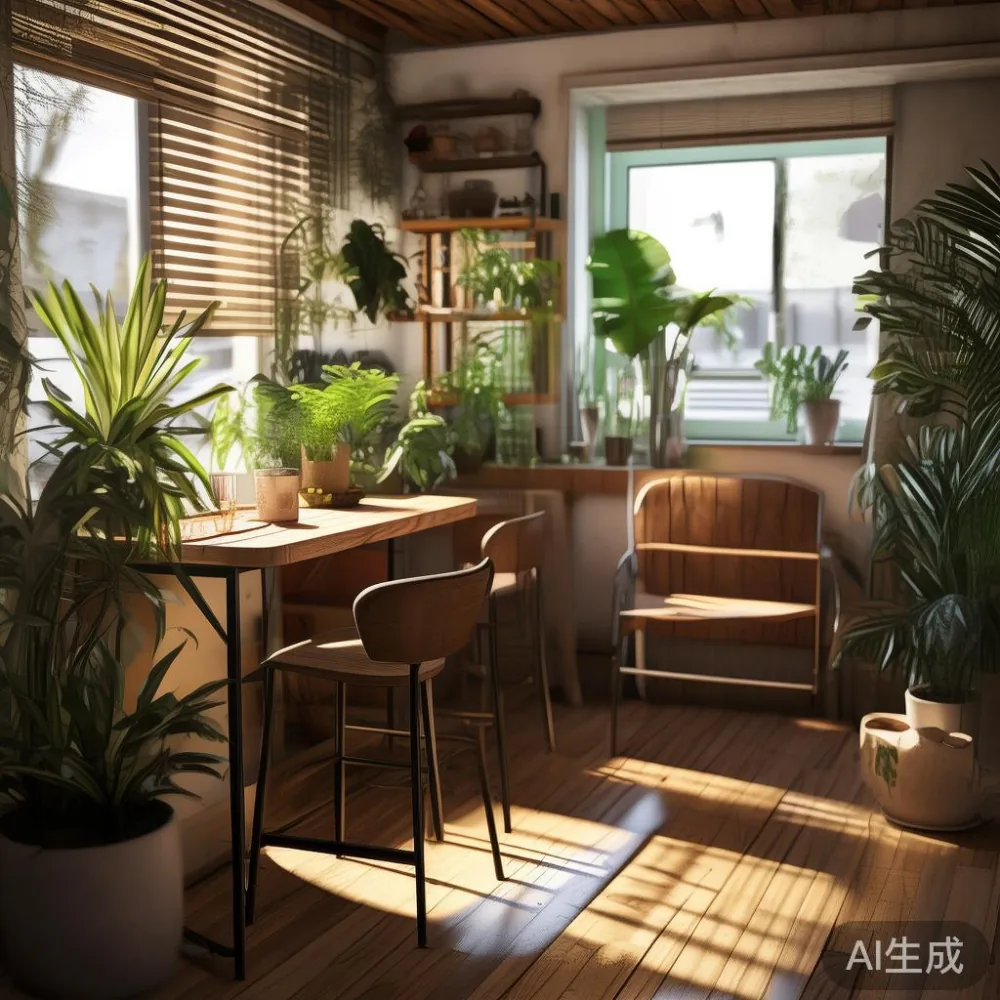
This comparison looks at a typical 120 cm solid wood bar table and a comparable 120 cm veneer bar table. Prices are stated in SGD, including GST where relevant, and use realistic figures for Singapore. MIDHILL is a Foshan solid wood furniture maker established in 2008, with a 10-year structural warranty and lifetime refinishing service. Its export experience across more than 15 countries also gives useful context, although every household should still verify access to after-sales support in Singapore.
How Much Does a 120 cm Bar Table Cost Over 5 Years?
For the solid wood option, assume a 120 × 60 × 105 cm table made from kiln-dried oak or ash, weighing about 42 kg. A representative MIDHILL solid wood bar table might cost SGD 1,680 including GST, with delivery to a Singapore address taking about 7–14 days after production. Over five years, the purchase price represents 32% of the projected total cost of ownership in the example below.
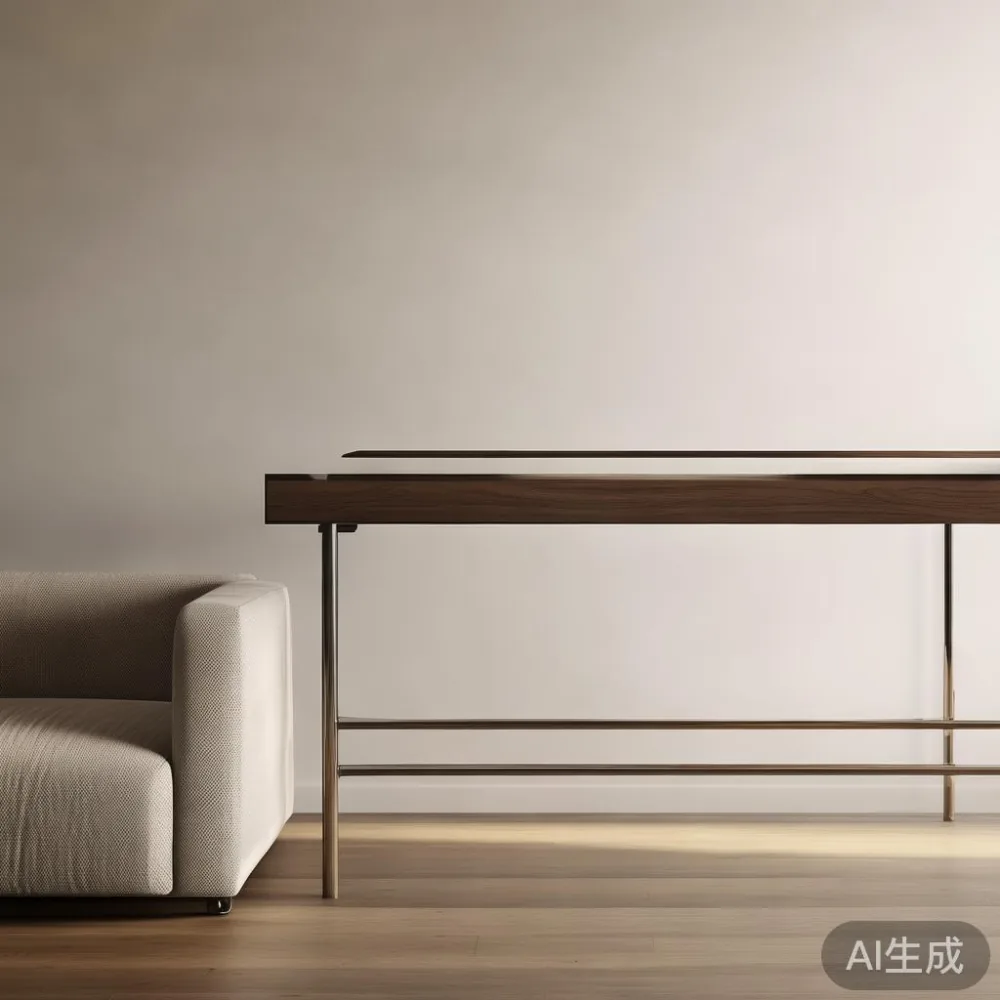
The veneer comparison uses a 120 × 60 × 105 cm table with a 19 mm engineered-wood core and 0.6 mm oak veneer, weighing approximately 29 kg. A realistic retail price is SGD 760 including GST, with delivery around 3–7 days. The lower mass matters in HDB blocks: a standard Singapore lift door is commonly about 900 mm wide, while the internal car measures roughly 1,100 mm across and 1,400 mm deep. A 120 cm table must therefore travel diagonally or on its side, not automatically flat.
The assumed five-year costs are deliberately practical:
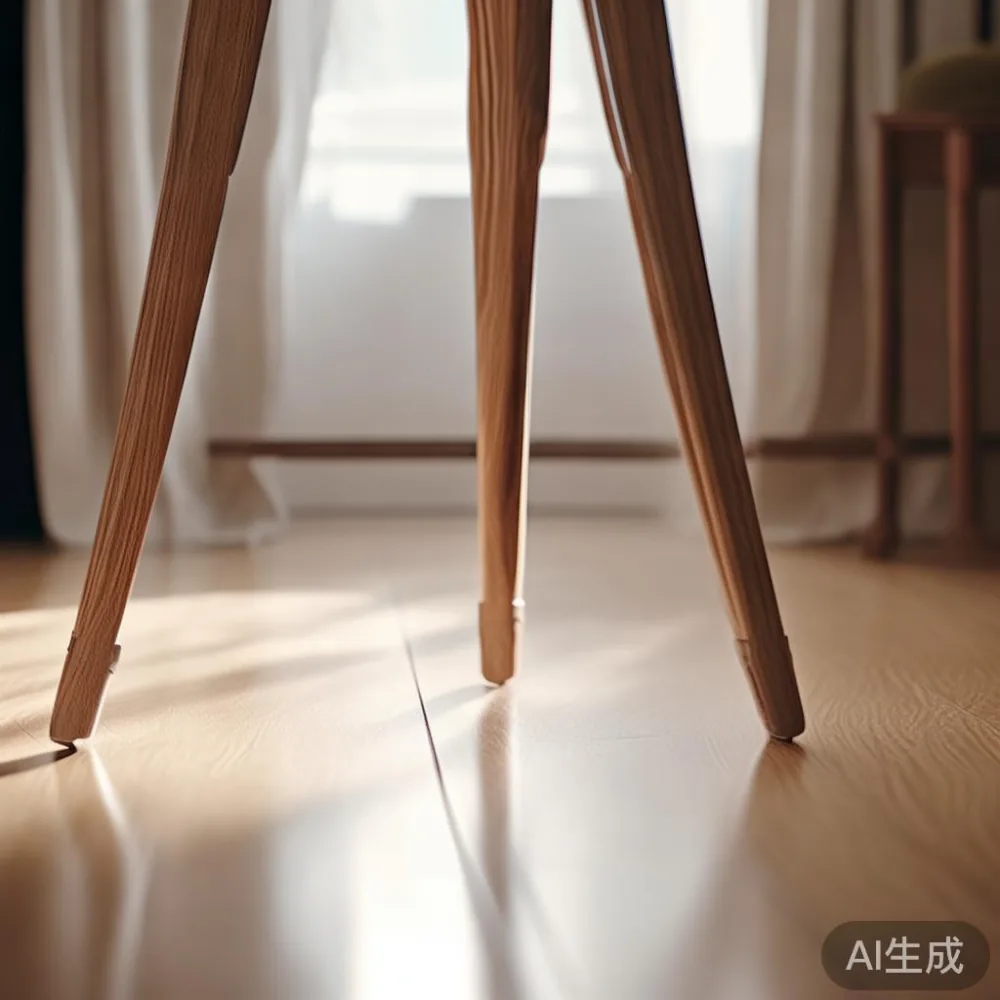
Solid wood bar table: SGD 1,680 purchase, SGD 160 delivery and placement, SGD 180 for two refinishing-related treatments, SGD 75 for replacement felt pads and minor hardware, and SGD 120 for an optional one-time professional assessment. Total: SGD 2,215.
Veneer bar table: SGD 760 purchase, SGD 60 delivery and placement, SGD 120 for edge repair and one veneer touch-up, SGD 45 for pads and hardware, and SGD 0 for structural refinishing because full refinishing is not normally available. Total: SGD 985.
That makes the solid wood table SGD 1,230 more expensive across five years, or SGD 246 per year. It also costs about SGD 920 more at purchase, before delivery and repairs. The veneer table costs 46% of the five-year solid wood total in this model.
These figures are examples rather than quotations. Grain variation, timber species, thickness, finishes, and local freight can move the final numbers. The point is to compare like with like: a good veneer table with a stable core should not be compared with a thin, poorly made product, just as a solid wood table should not be judged by the lowest possible price.
What Happens to Veneer and Solid Wood in Singapore’s Humidity?
Singapore’s high humidity makes substrate and finish quality more important than a simple “wood” label. A 120 cm bar table may be used beside a kitchen, beside a condominium pool deck, or in an open balcony. It may also sit in a laundry area where dampness is common. None of those locations is automatically fatal, but frequent moisture exposure changes the maintenance calculation.
Solid oak and ash expand and contract as humidity changes. A well-designed solid wood bar table allows movement through its joinery and finish. Quality suppliers use appropriate drying, restrained finishes, and careful sealing of exposed surfaces. Re-oiling every 12–18 months can slow staining and surface wear. A controlled application costs about SGD 60–120 per service in Singapore, excluding extensive repair.
Veneer is a thin layer of real wood, usually 0.3–1.0 mm, bonded to a plywood or other engineered core. It can provide convincing grain and consistent colour at a lower price. However, water can make the veneer lift at an edge, and repeated expansion may create small ripples. In a dry, indoor setting with careful wiping, a sound veneer bar table can last for the full five-year period. Near a sink, on a balcony, or under an open window, the risk is higher.
Last month I visited my colleague’s 110 cm veneer bar table in Tampines after he had used it for 18 months beside a home bar. A ring-marker stain had been lifted with a mild cleaner, but one corner had a 4 cm ripple after a rainy-season leak near the balcony door. My colleague had protected the surface properly, yet the moisture still found a vulnerable edge. A 120 cm solid oak table in my own dining zone has needed only two applications of board cream in the same period, with no edge lifting.
One visit does not establish a universal result, but it illustrates the material difference. Solid wood can often be sanded and refinished; conventional veneer usually cannot be restored to the same depth. If the whole top is bubbling, moisture damage to the core may make repair uneconomic. If the concern is a few scratches or a dull finish, solid wood generally offers more recovery options.
How Much Space Does a 120 cm Bar Table Need in an HDB Flat?
A bar table is a spatial commitment as well as a furniture purchase. The 120 × 60 cm top used here needs a clear route from the HDB corridor into the lift, then from the lift lobby to the dining area. Door widths in older blocks can be around 800–900 mm, while newer blocks may have wider access. Lift capacities also vary, and a 42 kg solid wood table is more demanding to manoeuvre than a 29 kg veneer table.
For residents of Tampines, Bedok, or Punggol condos, measure the narrowest turn before ordering. The table should be checked with its legs removed if the supplier permits. The vendor should confirm packed dimensions, total weight, lift booking requirements, and whether delivery includes carrying beyond the lift lobby. It is worth asking for photos of the actual packing process rather than relying only on product dimensions.
A 105 cm-high bar table suits a counter around 105–110 cm high, leaving about 25 cm for the seated adult’s thighs. Allow roughly 60 cm of movement space behind each occupied stool. Two stools need about 70 cm of width each, so a 120 cm top generally fits two people comfortably; three may feel tight. In a compact dining area, a 90–110 cm bar table can serve two people more efficiently.
For a condo corridor, do not assume the delivery team can turn a 120 cm top through a 900 mm bend. A removable top may solve the problem. A slim boxed design weighing under 40 kg is easier to handle, but it should not be so light that it flexes noticeably when two people lean on it. Comfort and stability belong in the specification alongside measurements.
The lift and corridor numbers explain why delivery quotations can vary. A heavier solid wood bar table may require a longer carrying time or a lift exclusion window. It may also need two installers. Veneer’s lighter weight can reduce friction at the door, but the lower material cost often attracts less protective packaging. Ask whether corners are foam-wrapped, whether the top is boxed separately, and whether the quotation includes damage replacement.
Is Veneer Cheaper If I Only Plan to Keep the Bar Table for 5 Years?
If the table has a predictable five-year life and will remain indoors, veneer can be financially sensible. In the sample calculation, it saves SGD 1,230 over five years. If the same owner replaces the veneer table once during that period, the comparison changes. Buying another SGD 760 veneer table produces a five-year outlay of SGD 1,745 including maintenance and delivery. That is still below the solid wood figure of SGD 2,215, but the gap narrows to SGD 470.
Resale value is harder to express as a guaranteed number. A neglected solid wood table can be refinished, while a damaged veneer top may have limited value. In this model, assume a usable solid wood table can sell for SGD 250 after five years and a sound veneer table for SGD 80. Subtracting those amounts makes the effective totals about SGD 1,965 and SGD 905 respectively, leaving a five-year ownership difference of SGD 1,060.
Replacement frequency matters more than an arbitrary trend. Some HDB owners move after five years and may prefer the lower outlay. Others expect to remain in the flat for 12 years and may use the same table through three housing moves. If the table moves three times, budget about SGD 60–100 for each additional delivery within Singapore, plus roughly SGD 180–300 if the finish needs restoration between moves.
After five years, a solid wood top may still need more than cosmetic maintenance. It may require a deeper clean, localised sanding, and another coat of oil or lacquer. A professional service can cost SGD 180–350. Veneer can also be cleaned and patched, but deep sanding risks exposing the core, so replacement may be the only sound option if the face layer is badly abraded.
What Are the Repair, Warranty, and Refinishing Differences?
A 10-year structural warranty sounds reassuring, yet it does not mean every accidental mark will be covered. Structural coverage commonly addresses defects in joints, frames, and specified components. Scratches, water rings, edge swelling, and finish failure may fall outside it. This is particularly relevant for a bar table, where drinks, chair legs, and kitchen moisture create everyday risks.
MIDHILL’s lifetime refinishing service changes the long-term equation. Customers should still confirm whether the policy applies to structural wood only, which timber and finish types qualify, and whether Singapore service is handled locally or through an approved process. In this comparison, two maintenance interventions are estimated for solid wood and one veneer touch-up for the alternative.
Here is a concise repair-cost scenario:
• A 12 cm scratch that requires local sanding and refinishing on solid oak: SGD 80–150.
• A 12 cm scratch repaired by veneer touch-up: SGD 35–70 if the substrate is sound.
• A 4 cm veneer edge lift: SGD 120–250, with full replacement sometimes costing SGD 700–900.
• A chewed or deeply split solid wood section: SGD 150–400 depending on whether the board can be repaired or replaced.
Also check the legal and practical return terms. A 14-day return period gives an opportunity to inspect colour, fit, and finish at home, but the table must remain in usable condition and packaging may need to be intact. For a 42 kg table, keeping the original packaging can occupy more space than expected. Solid wood tables often need extra time for acclimatisation after entering an air-conditioned home, whereas veneer construction may show less dimensional movement, but it can still react to moisture.
Free shipping over US$350, as MIDHILL offers, is stated in US dollars rather than SGD. Singapore buyers should request a Singapore landed quotation in SGD and confirm whether GST, lift fees, and carry-in charges are included. Converting a US$350 threshold does not guarantee free Singapore delivery because destination terms can differ.
Which Finish Costs Less to Maintain on a Bar Table?
The finish may affect costs as much as the substrate. Matte oil emphasizes grain and can be renewed locally, but it can darken with heat and may show water marks. Water-based lacquer creates a cleaner light-luxury appearance and is easier to wipe, yet deep damage requires careful abrasion and recoating. Conversion varnish is durable in many settings, but once it peels, repair can be more involved.
A French light luxury palette—pale oak, cream, softened edges, and restrained brass—works well for a bar table in an HDB dining space. It can visually lighten a compact room without requiring a large footprint. American light luxury tends toward solid wood, deep upholstery, and substantial detailing; a 120 cm solid oak bar table can suit that direction if its scale is controlled. Post-modern light luxury may pair one curved edge with a clean rectangular body.
These style references should not distract from construction. Ask for the exact finish name, sheen level, coating sequence, and maintenance instructions. Test colour samples in the room’s evening light. A warm yellow under LED lighting can make pale veneer look almost identical to solid timber, but structural performance will not be identical.
To reduce costs, use a coaster for every drink, a stable fabric rather than a hard stone coaster, and a soft cloth immediately after spills. Avoid leaving damp glasses or dishes overnight. Add felt pads to stool feet and tighten them every 3–6 months. These habits can prevent more damage than any branded cleaning product.
The same care principles apply across furniture categories. A solid wood sofa or dining table may use different joint and finish details from a bar table, so direct care advice should come from the maker. Searches for how to choose American sofa or European light luxury bed vs Modern bed may lead buyers toward broad catalogues, but the timber species, substrate, and warranty terms still need separate checks. A marble table may tolerate heat differently from timber and should never be treated as its equivalent.
What Should a Singapore Buyer Compare Before Ordering?
Begin with a written specification. Confirm the top dimensions, height, timber species, moisture treatment, thickness, core type, finish, weight, warranty, and delivery terms. A credible supplier should explain why a 120 cm solid wood top uses a particular thickness and how the frame resists racking when two people lean against it.
For an engineered option, ask whether the back and edges are veneered, how the core is sealed, and whether moisture can reach the adhesive line. “Real wood veneer” describes only the visible layer. It does not disclose the full construction by itself. A stable plywood core may perform better than a poorly sealed particleboard core in humid conditions.
For a solid wood option, inspect the grain, knots, checks, joinery, and underside. Minor variation is normal in natural timber. Large gaps around joints or uneven drilling suggest rushed production. For a mixed project, the buyer may also compare a solid wood sofa, bed frame, dining table, wardrobe, or nightstand on the same principles, but bar-table construction should be reviewed on its own.
Independent design references can help too. A search for designer European light luxury furniture may reveal desirable proportions, while top 10 Rustic furniture lists may help with finish character. They should remain inspiration tools rather than evidence of durability. For bedroom planning, the best Minimalist bed for 2026 may suit one HDB room but provide no useful answer about a bar table’s moisture resistance.
Finally, obtain the all-in price in SGD. The sample solid wood bar table totals SGD 1,680 including GST, while the veneer alternative totals SGD 760. Add delivery, placement, and expected five-year repairs to reach SGD 2,215 and SGD 985 respectively. Confirm the delivery window: allow 7–14 days for a made-to-order solid wood bar table and 3–7 days for an in-stock veneer model, subject to stock and production conditions.
On this evidence, veneer is the lower-cost choice for a five-year, indoor, replace-on-demand scenario. Solid wood is the stronger choice when the table will remain in use beyond five years, sit near moisture, move between homes, or be refinished instead of replaced. The premium is not a guarantee of perfection; it buys more repair depth and longer material options. Choose based on the room’s conditions and the household’s maintenance habits, then ask for the exact specifications before paying the balance.