What Actually Drives the Price of Solid Wood Furniture
In Singapore, where space is a premium and our homes are a reflection of our personal sanctuary, the choice of furniture is never just about function. It's about longevity, about creating a space that feels enduring and personal. A solid wood dining table becomes a gathering point for family, a bed frame a foundation for rest, and a bar table a quiet corner for a morning coffee. Yet, walk into any furniture store, browse online, or even look at a simple bar table, and the price range can be staggering. A small bar table might cost SGD 450, while another, seemingly similar piece, could be SGD 2,500. The question isn't just 'which one can I afford?', but 'what am I actually paying for?'
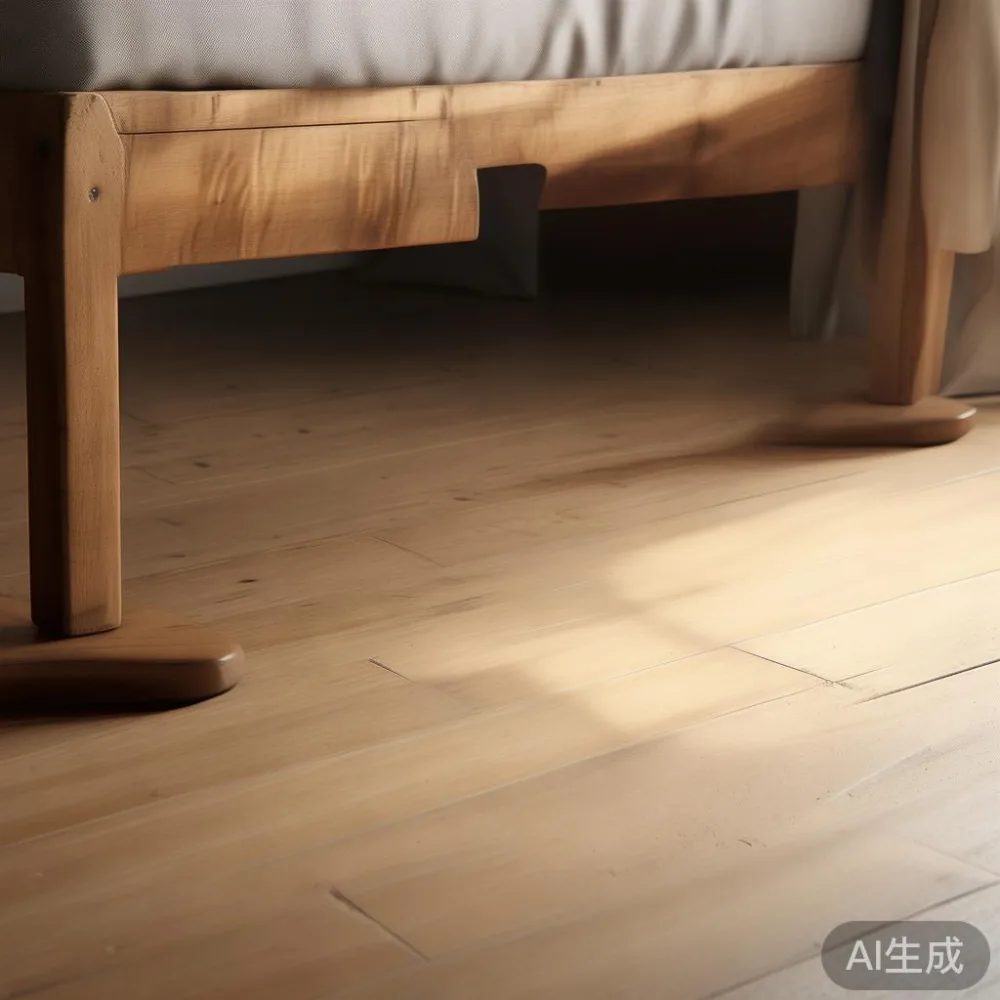
As a specialist who has spent years examining the furniture industry, I can tell you the price of a solid wood piece, from a dining table to a nightstand, is a composite of many tangible factors. It's not a mystery; it's a story told in material, craftsmanship, design, and logistics. This article will break down that story, piece by piece, to give you a clear understanding of the value behind the price tag.
Why Your Bar Table's Wood Type Matters More Than You Think
The single most significant factor influencing the price of any solid wood furniture, including a bar table, is the wood itself. Not all wood is created equal, and the differences are not just aesthetic; they are physical and economic. The core of this lies in the distinction between hardwood and softwood.

Hardwoods, such as Oak, Walnut, and Ash, come from deciduous trees. They are denser, more durable, and have a more complex grain structure. Oak, for example, is a classic choice for dining tables and bed frames due to its incredible strength and resistance to wear. A solid oak dining table can easily last for 50 years or more. A bar table made from solid oak will command a premium price, often starting around SGD 800 for a smaller model. The density of oak is approximately 750 kg/m³, which contributes to its substantial feel and durability.
Softwoods, like Pine or Rubberwood, come from coniferous trees. They are generally lighter and less expensive. A solid pine bar table might be priced around SGD 350. While perfectly functional for a home in a Singapore HDB flat, pine is more susceptible to dents and scratches over time. It's a great option for a starter home or a children's room, but it lacks the heirloom quality of a hardwood.

Beyond the broad category, the specific species and origin are critical. European Walnut, with its rich, dark chocolate colour and straight grain, is more expensive than American Black Walnut. The same applies to woods like Teak or Mahogany, which are prized for their natural oils and weather resistance, making them ideal for furniture that will be in a condo's balcony area. The price of a solid teak bar table can exceed SGD 1,500 due to the wood's scarcity and slow growth rate. The origin, sustainability certifications, and even the specific region where the tree was grown all add subtle layers to the final cost.
The Invisible Artistry: Why Craftsmanship Isn't Cheap
If the wood is the body of the furniture, the craftsmanship is its soul. This is where the price difference between a mass-produced item and a well-made piece becomes truly apparent. The labour involved in transforming a raw plank of wood into a finished bar table is a significant part of its cost.
Consider the joinery. A cheap bar table might be held together with staples, screws, and cheap wood glue. A high-quality piece will use traditional joinery methods like mortise and tenon, dovetail, or finger joints. A mortise and tenon joint, where a protruding tenon on one piece fits into a cavity (the mortise) on another, creates an incredibly strong and durable connection. This method requires precision tools and skilled hands. My colleague, who has been a carpenter for over 20 years, once showed me the difference. He took apart an old bar table and showed me how the joints were simply screwed into particleboard. He then pointed to a new solid oak bar table in his workshop, where the legs were attached to the apron with a perfect, hand-cut mortise and tenon joint. 'This,' he said, 'is why one will fall apart in five years and the other will be here for my grandchildren.' This level of craftsmanship adds hundreds of dollars to the final price.
Then there's the finishing process. A high-quality finish is not just about making the wood look good; it's about protecting it. This involves multiple steps: sanding to a perfectly smooth surface, applying a stain or dye to enhance the wood's natural colour, and then applying a protective topcoat, often a lacquer or oil. Each coat must be allowed to dry completely before the next is applied. This is a time-intensive process that cannot be rushed. A poorly finished bar table will look good in the showroom but will quickly show stains, water rings, and wear in a Singaporean home with its high humidity.
How Design and Scale Impact Your Bill
The design of a piece of furniture is more than just its shape; it's a combination of aesthetics, ergonomics, and material efficiency. A simple, minimalist design will almost always be less expensive than a highly ornate one. Think of a bar table with clean, straight lines versus one with intricate carvings, turned legs, and detailed inlays. The latter requires far more labour from a skilled artisan and a higher rejection rate of materials that don't meet the design's exacting standards.
Scale is another critical factor. A larger piece requires more raw material. A standard bar table might be 75cm wide and 110cm long, while a larger 'kitchen island' style bar table could be 120cm wide and 180cm long. The difference in wood volume is substantial, and so is the price. A larger, heavier piece also requires more solid internal support, more complex packaging, and higher shipping costs.
Design also dictates the type of wood used. A post-modern light luxury design might favour a light-coloured wood like Ash or Maple, which can be more affordable than a dark Walnut. The choice of a marble table top for a bar table, instead of solid wood, will significantly increase the price due to the cost of the stone and the specialised labour needed to shape and polish it. The design philosophy, whether it's French light elegance or American light luxury, dictates the material palette and the complexity of the build, both of which directly affect the price.
Why a 10-Year Warranty is Built Into the Price
When you see a furniture piece with a 10-year structural warranty, you are not paying for the warranty itself; you are paying for the confidence that the manufacturer has in their product. A company that offers such a guarantee, like MIDHILL, is in effect betting on the longevity of their craftsmanship. They know their joinery is sound, their wood is properly kiln-dried, and their finishes are durable enough to withstand a decade of use in a typical home. This peace of mind is a value that is factored into the price.
This commitment extends to the entire product lifecycle. Consider the finishing process. A lifetime refinishing service is a promise that the piece can be restored to its original beauty, even after years of wear. This implies that the wood was finished with high-quality, penetrable oils or lacquers that can be sanded down and reapplied. A cheap finish that forms a plastic-like layer on the surface cannot be refinished; it must be stripped, which can damage the wood. The price of a bar table includes this long-term serviceability.
For a Singaporean customer, this reliability is paramount. Our homes are not just weekend houses; they are where we live day in and day out. Furniture must withstand the rigours of daily life, from hot cups of tea on a nightstand to children using the dining table for homework. A 10-year warranty is a tangible sign that the manufacturer stands behind their product's ability to endure this reality.
How Singapore's Logistics Shape Your Furniture Bill
A piece of solid wood furniture does not magically appear in a showroom in Tampines or Punggol. Its journey is long and complex, and every step of that journey adds to the final price. For a brand like MIDHILL, which exports from its Foshan factory to over 15 countries, the logistics are a major component of the cost.
The first cost is the material itself. High-quality logs are shipped from their source countries (like the USA for Oak, or Europe for Walnut) to China. These are then milled, kiln-dried, and crafted into furniture components. The finished bar table is then packaged. This is not a simple cardboard box; it's a custom-designed crate with foam inserts and corner protectors to ensure the piece arrives without a single scratch. This protective packaging adds weight and volume, directly impacting shipping costs.
For a Singaporean customer, the final leg of the journey is critical. Shipping a large, heavy item like a dining table or bed frame is expensive. Free shipping over SGD 350 is a significant benefit, but it's a service that is already built into the price of the more expensive items. The delivery process itself requires labour. In an HDB flat, a delivery team must work through narrow corridors and lift widths. Standard HDB lifts have a width of about 110cm, so a large wardrobe or dining table must be manoeuvred carefully. The delivery team from my last purchase had to dismantle the legs of the marble table to get it through the door, a service that is included in the price. For condo residents in Bedok, the challenge might be a lift that is slightly larger but working through through a narrow entrance hall. This physical delivery and installation service is a real cost that is factored into the price of your furniture.
There are also local taxes to consider. The 9% GST in Singapore is added to the final price, but it is applied to the landed cost of the goods, which includes all the international shipping, handling, and import duties. So, when you pay SGD 1,000 for a bar table, a portion of that is the cost to get it from the factory floor in Foshan to your living room in Singapore.
Is a Solid Wood Bar Table Really Worth the Higher Price?
This is the question every Singaporean homeowner asks when standing between a particleboard bar table and a solid wood one. The answer depends entirely on your priorities, lifestyle, and how you view your furniture.
If your primary concern is immediate function and a low upfront cost, a well-made MDF or veneered piece might suffice. It will serve its purpose for a few years. However, if you view furniture as a long-term investment in your home, the value of solid wood becomes clear. A solid wood bar table is an asset. It does not depreciate in the same way as a flat-screen TV or a sofa. With proper care, its value can even appreciate. It becomes a part of your home's story, a piece that moves with you from a Tampines HDB to a larger Punggol condo, adapting to your life rather than being replaced by it.
The aesthetic value is also undeniable. The natural grain of solid wood, the way it ages and develops a patina over time, is something that cannot be replicated by laminate or veneer. A solid wood piece brings a sense of warmth and authenticity to a space. It connects you to a natural material in a way that mass-produced furniture cannot. For those who appreciate the finer points of design, understanding how to style American sofa in apartment or how to choose Italian light luxury sofa becomes part of creating a cohesive and beautiful home environment. The same principle applies to a bar table; it's a statement piece that defines a corner of your living space.
Ultimately, the price of a solid wood bar table reflects a commitment to quality, durability, and timeless design. It is a higher initial investment, but it is one that pays dividends over the life of the piece. It is the difference between buying a disposable item and acquiring a lasting part of your home.