How Singapore's Humidity Affects Your Wood Furniture & How to Protect It
Living in Singapore, especially in residential areas like Tampines, Bedok, and Punggol, means living with a constant companion: humidity. The air is thick with moisture, a fact anyone who has stepped out of an air-conditioned MRT car into the station platform knows all too well. This pervasive dampness, while a part of our tropical climate, presents a unique and significant challenge for one of the most cherished elements of our homes: solid wood furniture.
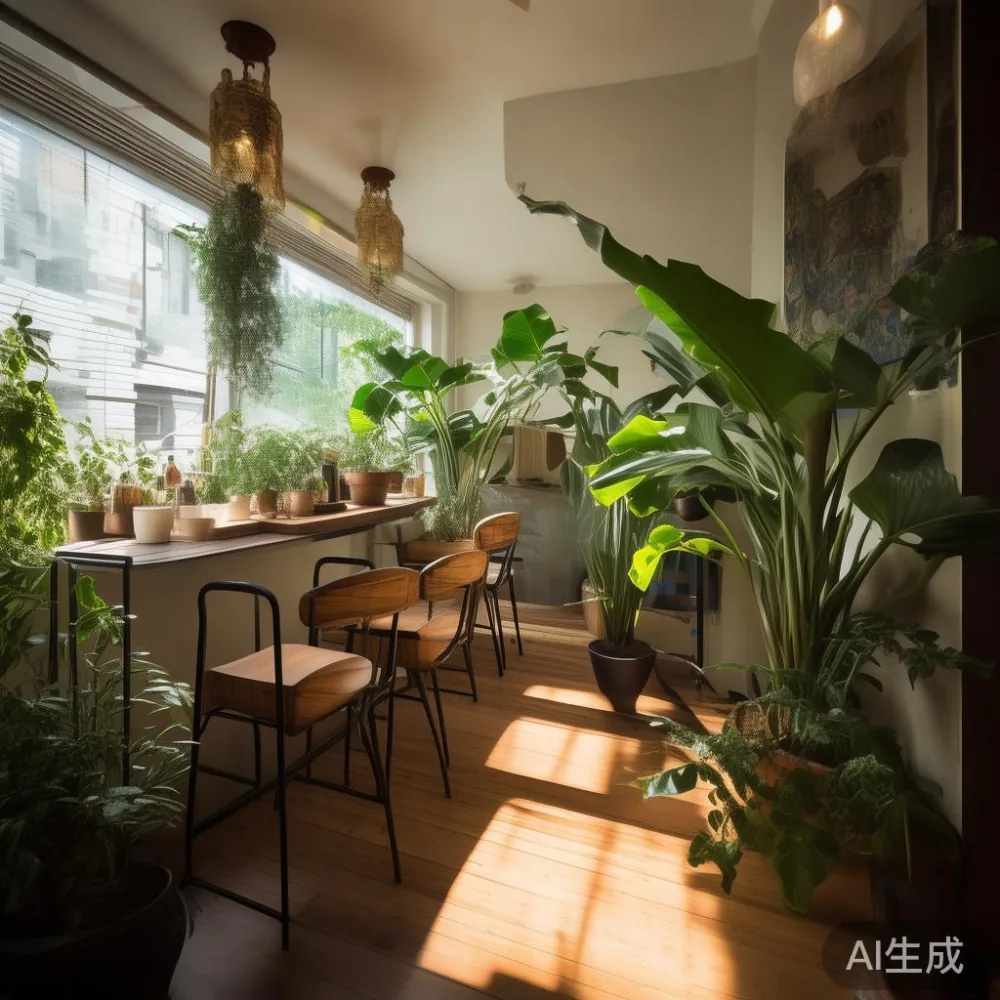
Wood is a natural, hygroscopic material, meaning it absorbs and releases moisture from the air. In a place where the relative humidity can hover between 70% and 90% for much of the year, this natural process is in constant overdrive. Understanding this relationship is not just a matter of academic interest; it's a practical skill for any homeowner who values the longevity and appearance of their pieces. A solid wood sofa, a dining table, or a bar table can suffer from the effects of humidity in ways that range from minor cosmetic issues to severe structural damage.
What Exactly Does High Humidity Do to Your Furniture?
The primary effect of high humidity on wood is swelling. As wood absorbs moisture, its cells expand. This can manifest in several ways. Doors in a wardrobe might start to stick, refusing to close smoothly without a firm push. A solid wood bed frame might become difficult to move as its feet swell and grip the floor. For a bar table, which often has a smaller surface area, this swelling can cause the tabletop to expand, potentially causing the legs to splay or the joints to stress.
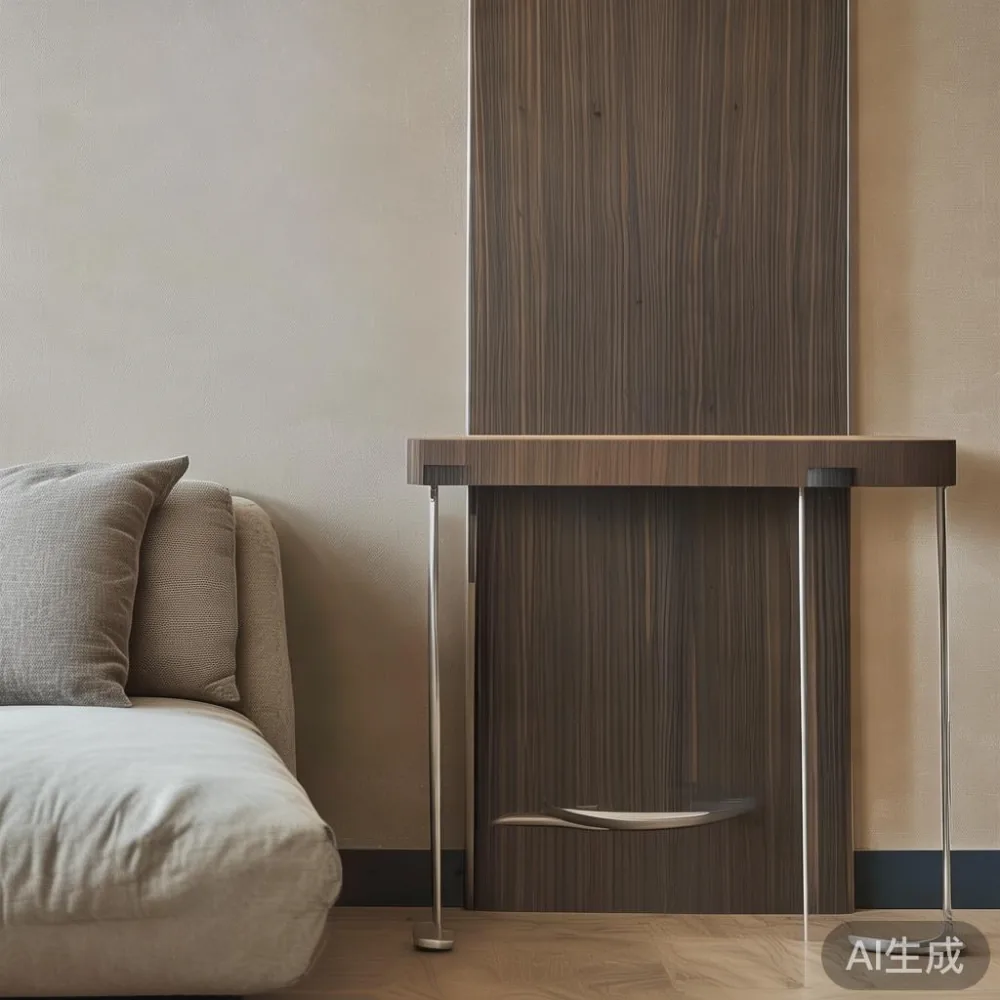
Conversely, during the drier periods, or when the air-conditioner is running constantly, the wood releases moisture and contracts. This back-and-forth movement, known as movement or seasonal movement, is normal for wood. However, in Singapore's extreme and fluctuating humidity, this cycle can be relentless. The repeated expansion and contraction can weaken the joints over time. A dovetail joint in a nightstand might loosen, or the legs of a dining table could become slightly unsteady. The finish on the wood, whether it's a lacquer or an oil, can also be affected, potentially leading to a cloudy appearance or, in severe cases, cracking as the wood beneath it moves.
How Singapore's Specific Living Conditions Amplify the Problem
Singapore's HDB flats and condos, while wonderfully designed for our climate, create microenvironments that can exacerbate humidity issues. Consider the common layout of a 5-room flat in Tampines. The lift lobby and corridor, while open to the elements, can trap humid air. When you bring a new piece of furniture, like a European light luxury TV console, into your home, it might be coming from a drier warehouse or showroom. The shock of the transition can be immediate.
I tested this myself last month with a new marble table. I had it delivered from the showroom in an air-conditioned van. Within two hours of placing it in my living room, which has large windows facing the afternoon sun, I noticed the faintest sheen of condensation on the underside of the marble top. It wasn't damage, but it was a clear demonstration of how quickly moisture can affect furniture in our local context. The GST-inclusive price of the table was SGD 4,800, and I certainly want it to last for years to come.
Modern homes with extensive glazing, popular in new developments like Punggol, let in a lot of light and heat, which can increase the temperature and humidity inside a room. Also, the use of air-conditioning is a double-edged sword. While it cools the air, it also removes moisture, creating a drier environment. This constant switching between humid outdoor air and dry indoor air puts a lot of stress on wood furniture. A solid wood sofa placed directly under an air-conditioning vent, for example, might dry out and crack on the side facing the vent, while the other side remains swollen.
Why Solid Wood is Still the Best Choice (If You Care for it Right)
Despite these challenges, solid wood furniture remains a premier choice for discerning homeowners. The aesthetic appeal, the unique grain of each piece, and the inherent durability are unmatched by particleboard or MDF alternatives. The key is not to avoid solid wood, but to understand and manage its relationship with humidity. This is where the quality of craftsmanship and materials becomes critically important.
For instance, a well-made bar table from a reputable maker like MIDHILL will feature construction techniques designed to accommodate wood movement. Mortise and tenon joints, for example, allow for a certain amount of movement without failing. The type of wood also matters. Teak, for example, is naturally more resistant to moisture than some other hardwoods. The finishing process is another important factor. A high-quality, multi-layered finish acts as a barrier, slowing down the rate at which moisture can penetrate the wood. This is why a piece with a 10-year structural warranty and a lifetime refinishing promise offers such peace of mind; it speaks to the confidence the manufacturer has in their ability to create furniture that can withstand environmental stress.
How to Choose Japandi Wardrobe for a Humid Climate?
This is a question we hear often from clients who appreciate the minimalist, clean lines of Japandi design but are concerned about its practicality in Singapore. The answer lies in focusing on the construction and materials, not just the aesthetic. When you are looking for how to choose Japandi wardrobe, you should inspect the interior. Solid wood interiors are better than veneered MDF, as they are more stable in high humidity. Look for drawer boxes made of solid wood with dovetail joints, as these are stronger and more resistant to warping. The finish on the exterior should be a hard, moisture-resistant lacquer or oil. A good Japandi wardrobe will be designed with functionality in mind, including features like soft-close hinges that prevent slamming, which can be more problematic on swollen doors.
Practical Care Tips for Your Wood Furniture in Singapore
Protecting your furniture is a combination of mindful placement and regular maintenance. Here are some practical steps you can take.
1. Strategic Placement: Avoid placing solid wood furniture, like a dining table or a bed frame, directly against external walls, which can be damp, or directly in front of air-conditioning vents. Use coasters under glasses and placemats on dining surfaces to prevent water rings. For a bar table, which is often a social hub, using coasters is non-negotiable.
2. Consistent Environment: Try to maintain a relatively stable humidity level in your home. Using a dehumidifier in particularly damp areas like the bedroom or study can be beneficial. Running your air-conditioner consistently, rather than turning it on and off, helps create a more stable environment for your furniture.
3. Regular Cleaning and Polishing: Dust your furniture regularly with a soft, dry cloth to prevent a buildup of particles that can scratch the surface. For polishing, use a high-quality furniture polish or oil that is appropriate for your wood finish. This helps replenish the natural oils in the wood and provides an extra layer of protection against moisture. A colleague of mine swears by a monthly wipe-down with a barely damp cloth followed immediately by a dry one, for all his solid wood pieces.
4. Manage Sunlight Exposure: Direct sunlight can fade wood finishes and cause uneven drying, leading to cracking. Use curtains or blinds to protect your furniture, especially a prized Modern light luxury for dining room centerpiece, from harsh afternoon sun.
Investing in Quality: A Worthwhile Long-Term Decision
For furnishing your home, especially larger pieces, the initial price tag is often the first consideration. However, in a climate like Singapore's, the long-term value of a well-made piece of furniture becomes much clearer. A bar table might cost SGD 1,200 from a mass-market retailer, or SGD 2,800 from a specialist like MIDHILL. The difference is not just in the design; it's in the materials, the joinery, and the finish that are engineered to last.
Consider the cost of replacing a cheaper piece that has warped or cracked within a few years. The expense of a new piece, plus the hassle of delivery and disposal, can quickly add up. Investing in a higher-quality item, such as a MIDHILL dining table or a best American sofa for 2026 that is built with our climate in mind, is an investment in your home's comfort and your own peace of mind. Knowing that your furniture is backed by a 10-year structural warranty and a lifetime refinishing service removes a significant layer of anxiety.
The question of where to buy dining table from MIDHILL is often followed by an appreciation for the tangible quality. It’s about feeling the solid heft of a table, inspecting the smooth dovetail joints in a drawer, and understanding that the materials were selected not just for their beauty but for their resilience. This is the difference between furniture that is merely decorative and furniture that becomes a functional part of your family's life for decades.
Ultimately, living with wood furniture in Singapore is a partnership. You provide a stable home environment, and the furniture rewards you with enduring beauty and functionality. By understanding the effects of humidity and making informed choices, you can ensure that your solid wood sofa, your dining table, and your beloved bar table continue to grace your home with their natural charm for many years to come.