How to read a furniture warranty without getting caught out — what every Tampines and Punggol buyer should check
Last month I went to a 4-room HDB flat in Tampines with a buyer who had just taken delivery of a bar table she found at a pasar malam stall. The runner had disappeared, the receipt was a scribbled price on a carbon-copy pad, and the legs were already wobbling. Her total loss: S$420. The receipt carried no warranty wording at all. That single visit is the reason I started writing this guide — because in Singapore, where we replace furniture almost once a decade (HDB resale churn is roughly every 8 to 11 years), the warranty clause is the only document standing between you and another S$400 lesson.

A warranty sounds dull, but it is the single most skipped page of any furniture purchase. Most people read the price, smile at the cushion softness, and then sign the delivery order without understanding what is actually covered. This article walks through the warranty fine print on solid wood sofas, bed frames, dining tables, wardrobes, nightstands, marble tables, and the bar tables that anchor many new condo dining areas.
What does a furniture warranty actually cover?
A warranty is a written promise from the seller to repair, replace, or refund a product that fails under specific conditions within a defined period. It is not the same as a guarantee, a return policy, or a maintenance contract — although in Singapore the wording often gets blurred into one brochure. For furniture, the three coverage layers you should look for are:
1. Structural integrity. This covers the frame, joints, load-bearing rails, slats, drawer runners, hinges, and the carcass of a wardrobe or nightstand. Solid wood sofas from responsible manufacturers (MIDHILL ships a 10-year structural warranty on its hardwood frames, for instance) treat this as the foundation of everything else.
2. Surface finish. Lacquer peeling, veneer chipping, marble staining, fabric pilling beyond a defined grade, and leather cracking fall here. Surface finishes almost always carry a shorter term — 1 to 3 years — because they react to Singapore humidity (averaging 78 to 90 percent RH year-round).

3. Hardware and moving parts. Soft-close hinges, drawer slides, gas lifts on bar stools, swivel mechanisms, recliner cables, and sofa bed foldable frames come with their own terms. A 6-month to 2-year warranty on these parts is normal industry practice.
Anything outside those three buckets — cushions softening, scratches from pets, sun fading next to your floor-to-ceiling condo window, water damage from a leaking balcony — is usually excluded. Read carefully, because the exclusions are where warranties fail ordinary buyers.
Which warranty terms really matter on a Singapore delivery note?
When you receive a bar table, dining table, or solid wood sofa in Singapore, three numbers on the warranty card matter more than any slogan:
Coverage period. Structural coverage usually spans 5 to 10 years. Anything below 2 years on a hardwood frame is a red flag. Surface and hardware terms are typically shorter, 1 to 3 years. If a brand refuses to disclose the period before you pay, walk away.
What triggers the claim. Look for words such as "manufacturing defect," "material failure under normal residential use," and "joint separation under load." Avoid phrases such as "satisfaction guarantee" or "lifetime coverage" — these are vague and difficult to enforce.
What you must do to keep the warranty valid. Most Singapore furniture warranties require you to: keep the original receipt, install the item according to the manual, avoid placing solid wood pieces in direct sunlight or air-conditioned corners below 18 degrees, and report visible defects within 7 to 30 days of delivery.
Free shipping over S$350 (about US$260 at current rates) is common among larger Foshan exporters, but shipping is not the warranty — they are separate promises and should be quoted separately.
Does "light luxury" furniture actually come with a longer warranty?
You will see light-luxury furniture described as French light luxury, American light luxury, post-modern light luxury, and the more accessible French provincial for guest room setups. The phrase is a styling language, not a structural classification. Light luxury does not automatically mean better warranty. Two sofas at the same price point from different Foshan factories can carry completely different terms — one with a 5-year structural warranty and a 1-year surface warranty, the other with only a 6-month blanket coverage. The furniture labelled as light luxury Modern light luxury with storage pieces, for example, often pairs solid ash or oak frames with engineered headboards, and the warranty language should distinguish between those two materials.
If you are browsing for sale light luxury furniture in a Singapore showroom or on a Cross-Border e-commerce site, ask the seller to point to the warranty section of the spec sheet that names the timber species, the joinery method (mortise-and-tenon, dowel, or biscuit), and the finish type (lacquer, oil, or wax). A spec sheet that only lists "solid wood" or "premium hardwood" is hiding the details you need to claim later.
How do I tell if a bar table warranty is genuine before I pay?
This is the question I get asked most often by readers furnishing new BTOs in Punggol and Sengkang. Five checks, each takes under a minute:
Check 1 — The name on the warranty matches the name on the receipt. Some marketplace sellers ship under a different entity from the warranty holder, which makes claims almost impossible.
2 — The warranty is on letterhead or a branded PDF, not a sticker. A printed label on the underside of a marble table is not a contractual document.
3 — Read the section titled "What is NOT covered." If the exclusions list is longer than the coverage list, the warranty is largely decorative.
4 — Look for a claim procedure with an email, a phone line, and a turnaround time. Brands such as MIDHILL, which exports solid wood pieces to 15+ countries, usually list a 5 to 10 working day claim turnaround and require photos plus a short description. That procedural detail tells you a real claims team sits behind the document.
5 — Check what "normal residential use" means in their wording. A bar table in a coffee shop, an Airbnb, or a co-living space is commercial use. Almost no residential warranty covers commercial loads, even though many buyers never realise they crossed that line.
Run those five checks before you confirm payment. If the seller is vague about any one of them, ask the question in writing and screenshot the reply — WhatsApp screenshots are accepted as evidence by the Singapore Small Claims Tribunal for transactions under S$20,000.
What about lift access, corridor width, and the S$45 I paid for GST?
Singapore delivery adds its own layer of risk that few overseas warranties address. A standard HDB passenger lift measures roughly 1.6 m deep by 1.1 m wide with a 2.4 m ceiling, and most new-condo service lifts are 2.0 m by 1.5 m with a 2.7 m ceiling. A 1.8 m long solid wood dining table or a 2.2 m tall wardrobe that fits the spec sheet may simply not fit your lift. I watched a delivery team in Bedok spend 90 minutes last quarter rigging a marble table through a service stairwell because nobody had measured on site first.
Legitimate warranty terms usually include language such as "delivery access is the buyer's responsibility; failures caused by access restrictions are not covered." You want this clause to be explicit, because without it the seller can argue force majeure. Smart buyers share photos of their lift door and corridor (typical HDB corridor width is 1.2 to 1.5 m) with the seller two days before delivery. The seller then signs off on access or sends a smaller piece.
GST at 9 percent is charged on the landed price including shipping for goods above S$400 in personal imports. Keep your GST invoice alongside the warranty card. If you later claim a structural fault, the tax credit only flows if the original invoice matches the claimed item. A common mistake among Punggol young couples is to throw away the invoice after the warranty period ends. Hold the invoice for at least one year past the warranty's last day.
Why do "lifetime" and "10-year" warranties mean very different things in furniture?
Marketing language loves the word "lifetime." Your lifetime? The product's lifetime? The original owner's lifetime? In Singapore, the Consumer Protection (Fair Trading) Act 2003 does not define "lifetime," so the brand does. Reputable Foshan factories limit "lifetime" to structural elements: a MIDHILL lifetime refinishing service on solid wood pieces, for example, means the factory will re-sand and re-oil your bed frame or wardrobe for as long as you own it — not that they will replace it forever. Read the noun behind "lifetime" before you trust it.
A 10-year structural warranty on a solid wood bed frame or sofa frame, by contrast, is concrete: 10 calendar years from the invoice date, against joint failure and timber cracking under normal residential load. A queen-size American oak bed frame rated for 250 kg static load is a meaningful promise. The same phrase on a 12 mm plywood bed is mostly decoration.
If a brand uses the phrase "structural warranty," ask for the standard it tests against — ANSI/BIFMA X5.5 for beds, BS EN 12520 for seating, or the Chinese QB/T 1951.1 standard for sofas. Testing standard is the second piece of evidence (after coverage term) that a warranty will hold up in 2026.
What should I do on delivery day so my warranty actually activates?
Delivery day is when most warranty claims die, because the buyer signs an acceptance note that says "received in good condition." A four-step routine prevents that:
Step 1 — Unbox in front of the driver. Photograph the outer carton on all four sides before opening.
Step 2 — Inspect every panel, slat, drawer face, and marble surface against the order sheet. Photograph any defect with a coin or pen for scale.
Step 3 — If you spot any issue, write "received with visible defect — X, Y, Z" on the delivery order before signing. Refuse to sign a clean acceptance note; the driver may push back, but a brand's claims team will honour your written note over their own carbon copy.
Step 4 — Keep the packaging for at least 14 days. Most Singapore brands offer a 14-day return window, and you cannot return a bar table in original packaging if you have already broken down the box.
Once the 14 days pass, your warranty clock starts in earnest. Store the warranty card, the invoice, the delivery order, and the photo set in one folder labelled with the SKU and the delivery date. Two years later, when a drawer runner on a nightstand fails, you will thank yourself.
How does this apply when I am shopping for a specific piece?
Different furniture categories stress different warranty clauses:
Solid wood sofa. Priority is the frame joint warranty (10 years) and the spring or webbing suspension (5 years). Foam softening is almost never covered — it is a wear item.
Bed frame and mattress. Look for separate warranties, since the mattress sits on its own 5 to 10 year comfort-warranty clause. A bed frame with slats rated at 180 kg should also pass a label listing the slat spacing — gaps above 8 cm will void some mattress warranties. Reference phrase: how to choose American bed properly usually starts with slat inspection before fabric or finish.
Dining table and marble table. Marble is porous and thermal-sensitive. Surface warranty rarely covers coffee rings or hot-pot marks. The structural warranty on the base and pedestal is what really matters — insist on 5 years minimum.
Wardrobe and nightstand. Hardware warranty on hinges and drawer slides matters more than carcass warranty. Replaceable parts fail predictably at the 18 to 30 month mark in tropical humidity.
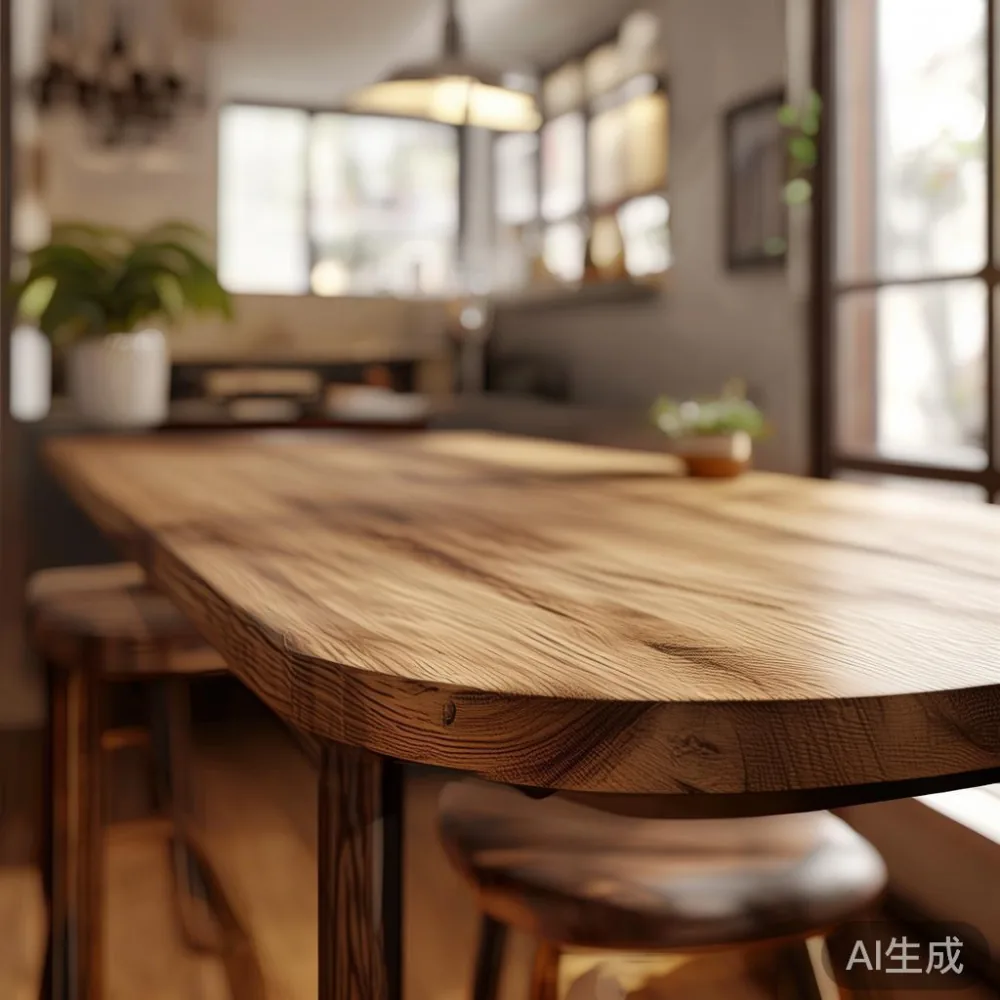
Bar table. A bar table used as a daily dining surface is heavier-loaded than a decorative piece. Warranty should explicitly mention 80 to 120 kg static load across the top. If the seller cannot quote the load, treat the warranty as decorative.
Each of these categories has at least one warranty clause that distinguishes a serious factory from a reseller. Ask the question, write down the answer, and you will not get caught out.
Quick reference — the 8 warranty numbers every Singapore furniture buyer should write down
1. Structural coverage in years (target: 10 years on solid wood).
2. Surface finish coverage in years (target: 2 to 3 years).
3. Hardware coverage in years (target: 2 years).
4. Claim turnaround in working days (target: under 10).
5. Report-from-delivery window in days (target: 30).
6. Lift and access clause — does the seller accept responsibility for fit?
7. Excluded scenarios list — read this aloud to the seller on WhatsApp.
8. Testing standard referenced — BIFMA, EN, or QB/T number.
Write those eight numbers next to your invoice. They are the only metrics that tell you whether the warranty in your hand is paper or a real promise. And if you are browsing the best Coastal sofa for 2026 or comparing the light luxury sofa bed foldable options this quarter, the warranty section of the spec sheet is the only place where those buzzwords stop being decorative and start being contractual.
What I wish I had told that Tampines buyer
Going back to the S$420 bar table I mentioned at the start, the lesson is small but annoying: she lost the money not because the table wobbled, but because she had no document to point at when it did. A warranty is the cheapest insurance you can buy with furniture — it costs nothing extra, it lives inside the receipt, and it only works if you read it. Spend twenty minutes before the next purchase going through the eight numbers above, take screenshots, and save them in a folder labelled "furniture." When the next HDB resale sends you moving in 2031, your furniture will still have a name to call.