A Sofa You Cannot Sit On? 12 Checks Before Buying in Singapore
Some sofas look impressive in a showroom but are difficult to use in a real home. The seat may be too deep, the arms too high, or the cushions too soft for an adult to rise comfortably. You may also discover that the sofa physically fits the showroom yet leaves no room to walk around it in a Singapore flat. Since you will live with the sofa for years, the dimensions, access route, comfort and construction deserve more attention than appearance alone.
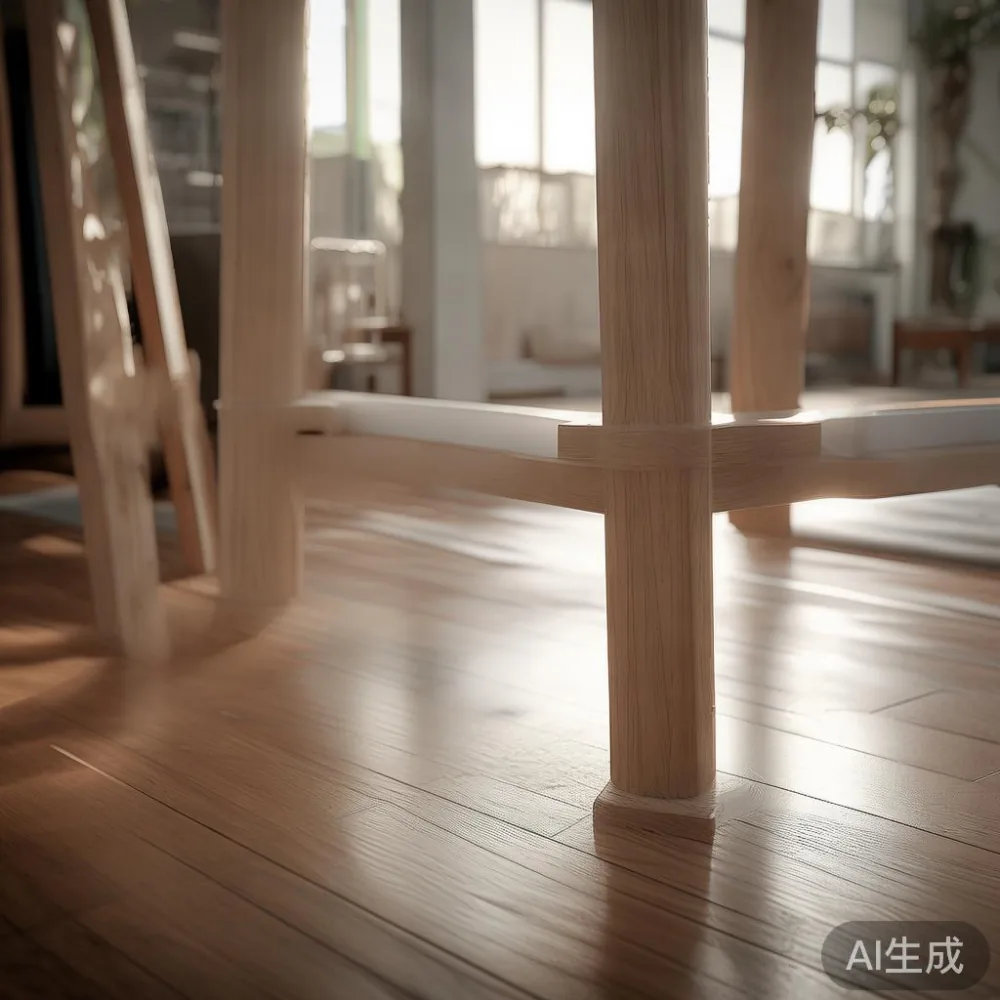
I tested one of these showroom surprises last month during a supplier visit. The sofa looked substantial, but its 96 cm-deep seat placed its occupants well beyond the back cushion. Two adults sat upright at the front edge rather than relaxing into it. The supplier called it “comfortable”; I called it a good reminder to check the geometry before buying. Measurements—not adjectives—should decide whether a sofa works for you.
This guide explains how to assess a sofa you cannot yet sit on, with particular attention to HDB flats and condos in Tampines, Bedok and Punggol. It also covers delivery, lift access, GST and practical signs of solid wood furniture. If your living room includes a bar table, the same planning discipline helps you create circulation space rather than crowd the room.
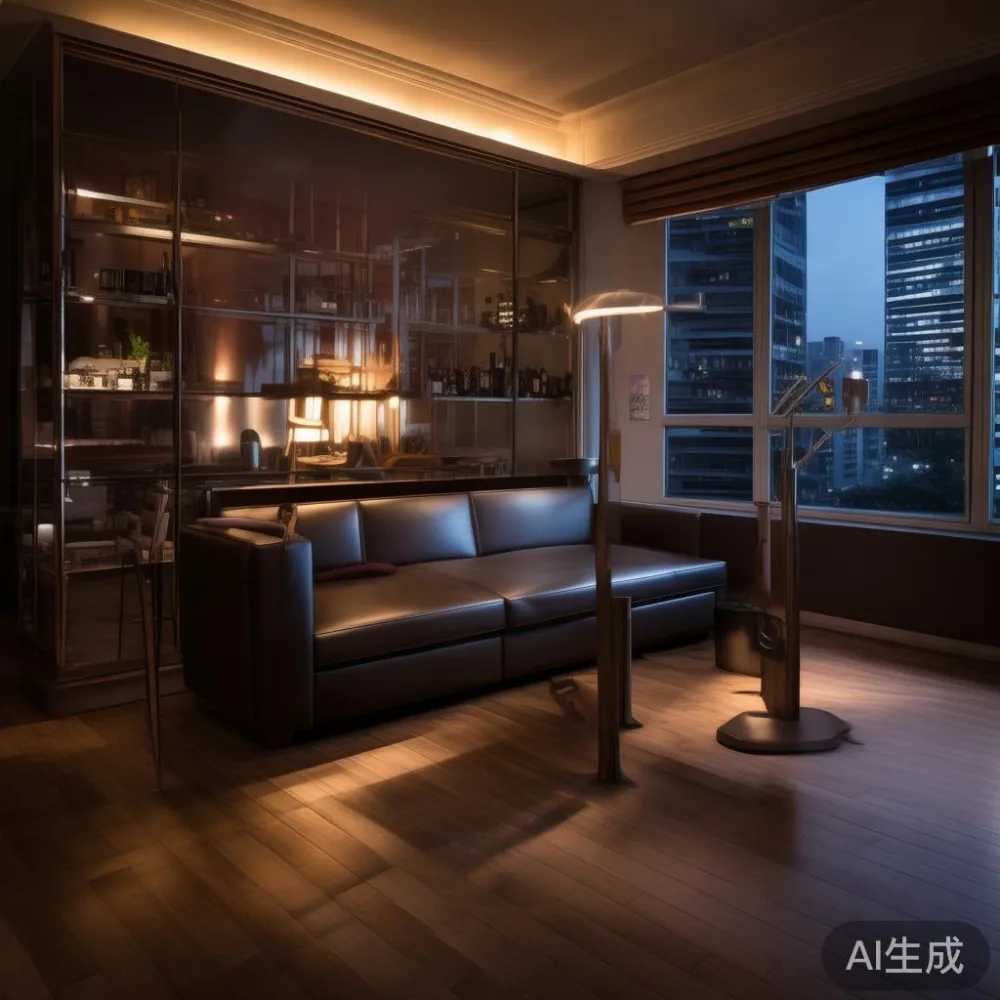
What dimensions should I check before ordering a sofa?
Begin with the dimensions of the actual seat, not merely the product. A sofa advertised as 210 cm wide may have an internal sitting width of only 168 cm after armrests and cushions reduce usable space. For two adults, look for roughly 140–170 cm of clear internal width. For a family sofa used by several people, the width of each usable place should be closer to 55–65 cm rather than the nominal 50 cm often shown in a catalogue.
Seat depth also affects posture. A usable depth of about 50–58 cm supports relaxed sitting for many adults, while 60–70 cm suits taller users who want to recline or cross their legs. A depth above 70 cm often turns into a chaise-like arrangement that requires a separate footstool. Before placing an order, sit on the sofa for at least 10 minutes and check whether your lower back is supported. If you must perch at the front edge, the seat may be too deep.
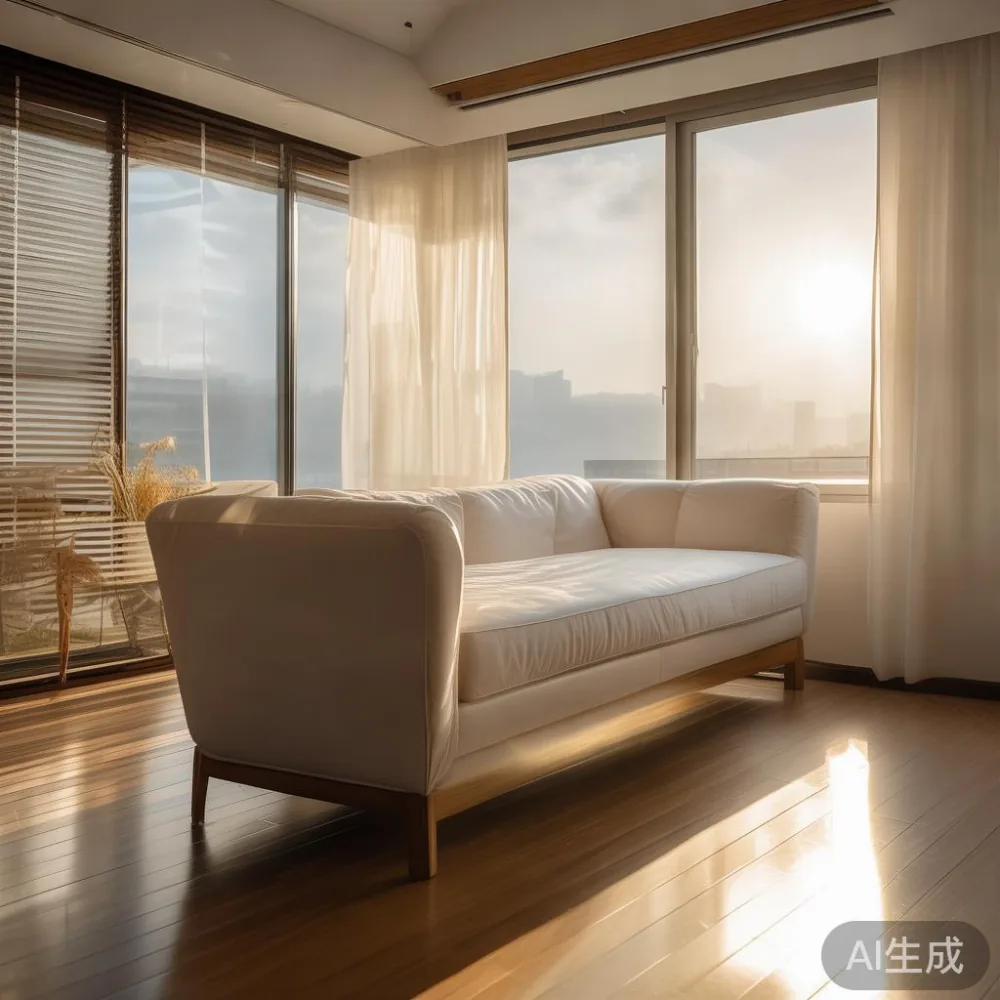
Check seat height too. Around 40–45 cm suits many adults, but 45–48 cm can make it harder to stand, especially for an older person. An ideal height allows the feet to rest flat while the knees remain near a 90-degree angle. Back height of approximately 75–90 cm provides useful support for the head and shoulders. Low backs may look sculptural but can leave the upper back unsupported during long conversations.
Arm height matters as well. A difference of 20–25 cm between the seat and armrest usually offers useful support. Armrests more than 25 cm above the seat can make it difficult to use the outer portion of the cushion. Inspect whether the sitting surface is level and whether the foam compresses excessively under one person’s weight.
For a small HDB living room, record the wall length, television console depth and coffee-table clearance before choosing a sofa. A 220 cm sofa against a 280 cm wall can leave only 30 cm on one side, which is too narrow for normal passage. A sofa of 180–200 cm may be more suitable if it leaves at least 60–75 cm along the main walkway. For a condo lounge, also account for the balcony door swing and the space needed to pass behind a bar table.
How do I know whether a sofa is comfortable without sitting on it?
You cannot reliably judge long-term comfort from a 2-minute showroom test. Look for a firm seat that still yields slightly under pressure, reversible or well-shaped cushions, and a backrest angled at approximately 100–115 degrees. Very soft foam may feel plush initially but can create pressure around the thighs and make standing difficult.
Press down on the front edge of each cushion with your hand. The surface should recover within several seconds rather than remaining deeply dented. Check the gap between the seat and back cushion: it should not be so large that a small cushion is required. Look for a seat foundation that does not sag in the middle and a back panel without visible rippling or loose stitching.
Remove or loosen one cushion if the supplier permits it. This lets you inspect the frame, suspension and foam rather than seeing only the upholstered shell. A sofa you cannot sit on in the shop may still be comfortable in principle, but you should not rely on hope. Request a physical swatch, a fabric specification and a close-up photograph of the underside.
Think about how the sofa will be used. A family sofa for daily television viewing may benefit from medium-firm cushions, while a guest-room sofa needs firmer support because guests sit on it for shorter periods. If the room also functions as a dining area, an upholstered seat may be less suitable than a dining chair because spills and food require more maintenance.
One point of confusion is the difference between a genuine solid wood sofa and a decorative timber-framed product. The visible legs may be solid wood while the internal structure uses plywood or metal. Ask for a frame drawing, timber species and the coverage of the 10-year structural warranty. Terms such as solid wood sofa, bed frame, dining table, wardrobe, nightstand and marble table describe related furniture categories, but they do not automatically disclose every internal component of one product.
Will the sofa fit through my Singapore lift and corridor?
Measure the whole route before ordering: the door, lift entrance, lift car, landing turns and the corridor outside your unit. Record the narrowest width and the diagonal length of the largest fixed part. A standard HDB lift may offer an internal door width of around 80–90 cm, although the usable diagonal can be more limiting than the width alone. If the sofa’s widest rigid section is 205 cm, it may not turn through a 90 cm opening even if it can enter.
For corner sofas, ask whether the sections separate. Two modules of 105–120 cm each are much easier to transport than one fixed 220 cm shell. However, multiple sections may create uneven gaps and add cost. A removable backrest and detachable legs reduce the transported height and make a rigid sofa easier to rotate. Measure the packaged dimensions, not just the showroom dimensions.
Note the lift weight capacity and building rules. Never allow a sofa to block an emergency exit or make a corridor inaccessible. If the goods cannot enter by lift, a hoisted delivery through a window may be considered only after the building management and owners have approved the method. Confirm whether the supplier arranges the hoist and whether the quoted price includes it.
For lift refurbishment or renovation periods, arrange delivery dates in writing. Midhill can quote delivery timing for Singapore orders, and the company’s stated 14-day return policy gives buyers a defined route if the item is unsuitable, subject to the published terms. Ask whether a restocking fee, assembly charge or freight surcharge applies.
Price comparisons should include GST. Singapore GST is 9%, so a sofa listed at SGD 2,000 becomes SGD 2,180 before delivery or access charges. Delivery timing can also change the total: a staged 7–14-day dispatch is different from a specific installation appointment. Request the final landed price with GST, lift handling and assembly itemised.
What construction details should I request before paying?
Ask for the frame material, joinery method, suspension type, foam density and leg fixing. A kiln-dried hardwood frame can be stable, but humidity control and the quality of the joints still matter in Singapore’s climate. Look for corner blocks or dowelled joints where appropriate. Screwed and glued joints should be described accurately; a photograph of only the visible leg does not verify the internal structure.
For upholstery, request the fabric composition, abrasion rating, seam construction and cleaning instructions. If pets or children are likely, compare the fabric with a tightly woven or performance material. High-density foam around 35–45 kg/m³ can offer a supportive feel, but the entire cushion construction must be assessed rather than one foam figure. A spring or webbing foundation may work well when combined with foam, provided the spacing and tension are correct.
Solid wood furniture should be protected against movement as the seasons change. Ask whether the sofa frame is solid wood or hardwood plywood, whether the legs are replaceable and whether the finish can be maintained. MIDHILL states a 10-year structural warranty and a lifetime refinishing policy, but the written warranty should clarify exactly which components and defects are covered. Product imagery, care instructions and a copy of the policy are more useful than a verbal assurance.
Check the manufacturing timeline and provenance. MIDHILL was established in 2008 and exports to more than 15 countries, information that can help frame the manufacturer’s production experience. Still, export reach does not replace inspection. When the sofa arrives, look for skewed legs, uneven cushion alignment, loose armrests, damaged corners and finish defects before accepting it.
Is a “sofa you cannot sit on” sometimes a bed frame in disguise?
Sometimes a low, broad seat is designed as a daybed. It may be marketed among bed frames and intended for occasional sleeping rather than everyday upright sitting. The distinction should appear on the product sheet. Check the stated load capacity, mattress or topper dimensions, sleeping surface height and whether the backrest is designed for lumbar support.
A daybed placed in a guest room can be practical, particularly in a compact studio. You can compare a European bed vs French provincial bed, and you might search for European light luxury for guest room when considering a guest-zone design. The same phrase also appears in ideas for European light luxury with storage, where a built-in daybed can include a drawer beneath the mattress.
Do not confuse a sofa shell with a complete sleeping solution. A useful daybed should include a specified mattress or topper, a stable headboard and a mechanism that remains level. If the question “is Japanese bed worth it” crosses your mind, note that a Japanese floor-oriented bed is usually lower and may require different headboard support than a conventional upholstered daybed.
For a multipurpose room, plan ventilation and access. A mattress stored permanently beneath the platform may need occasional lifting. Leave approximately 15–30 cm around access points where practical, and ensure drawers can open without hitting the bar table or a nearby dining table.
How should a sofa work with a bar table and dining area?
A bar table changes the way you must plan a living-dining zone. Its pedestal or two-post base affects chair placement, while the overhanging top can reduce knee clearance if positioned too close to seating. For a standard counter height of about 100–105 cm, allow roughly 25–30 cm of legroom beyond the table edge for a seated guest. A dining-height table usually sits around 72–76 cm and requires more careful chair movement.
Ask for the bar table’s exact top dimensions and overhang. A 120 cm-long top may accommodate two people at one side or two on each side if the space allows, but the chair positions must fit the actual room. In a compact HDB dining-living area, a 100–120 cm bar table can create a useful vertical boundary without taking up the footprint of a six-seat dining table. In a larger condo, a 140–160 cm bar table may suit three on each side, provided circulation remains at least 75–90 cm around key routes.
Mixing furniture styles is possible when scale and material remain coherent. A French light luxury sofa with curved edges may pair well with a clean-lined bar table; an American light luxury scheme can use straight profiles and warm timber. For a post-modern light luxury room, contrast a sculptural sofa with a restrained table, but avoid too many competing forms. A Modern light luxury dining table, for example, can act as a calm anchor beside a more upholstered piece.
Measure sightlines and maintenance access. Chairs pulled from a bar table should not touch the sofa, and a person standing at the counter should not block the main door. Wipeable finishes are useful near food and drinks. If a marble table is already in the room, consider whether its veining and weight visually balance a softer sofa and how its edge profile relates to the bar table.
What should the final product sheet contain?
Before payment, request a written product sheet with at least 12 numbered specifications. It should include width, depth and height; internal sitting width; seat depth and height; armrest height; backrest angle; frame material; suspension; foam details; upholstery composition; leg construction; weight; packaged dimensions; and warranty coverage. The declared weight helps the delivery team assess handling needs, while the packaged measurements prevent an access problem.
Ask how colour varies under showroom and home lighting. Request daylight and evening photographs, plus a fabric swatch. For a solid wood base, view the grain direction and finish across all visible parts. Also check that replacement cushions and legs are available after purchase, with realistic lead times of perhaps 2–6 weeks for non-stock components.
Review the service terms in writing. MIDHILL offers free shipping for orders over US$350, although the treatment of a Singapore order should be confirmed directly in SGD rather than assumed from an international threshold. The company also lists 14-day returns. Confirm the return condition, transport responsibility and refund timing before the sofa leaves the warehouse.
Finally, inspect the room with painter’s tape on the floor. Mark the sofa footprint, chair pull-out space, television viewing distance and the route from the lift. The purpose is not to make the room look styled in a photograph; it is to preserve everyday movement. A visually lighter sofa is not genuinely easier to live with if it forces someone to sit forward, squeeze past the bar table or avoid using half the cushion.