Solid Wood vs Veneer Bar Tables: A 5-Year Cost Reality Check for Singapore Homes
I still remember standing in the MIDHILL showroom last October, running my palm across a 120 cm solid ash bar table priced at S$1,480, then turning to a laminated-veneer version next to it tagged S$620. The salesperson smiled: same shape, same thickness, very different stories over five years. That single afternoon pushed me to actually do the math for a typical Tampines 4-room HDB flat, and the numbers surprised me enough to share them here.
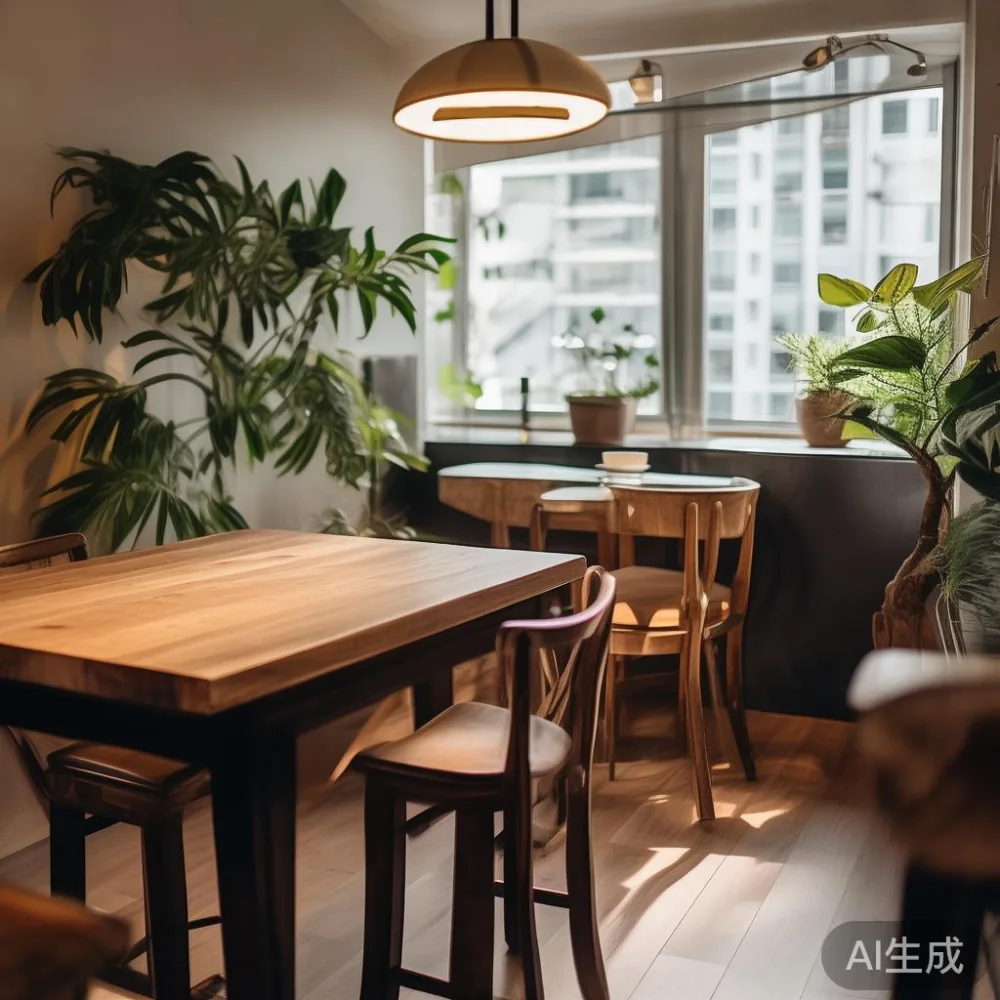
Why the bar table decision matters more than your dining table in a Singapore HDB
In a 92 sqm BTO or resale flat, the bar table usually sits at the junction of kitchen and living room, doing three jobs at once: breakfast counter, work-from-home desk, and weekend cocktail ledge. Because it lives against a wall or under a window, the wood faces constant afternoon sun through east-facing windows, plus the daily humidity swings from air-con (around 22°C, 40% RH) to open windows (31°C, 80% RH). A dining table hides during parties; a bar table is in the line of fire every single day. That is exactly why the five-year cost gap between solid wood and veneer is wider than almost any other furniture category in the flat.
The real price of a bar table in SGD today
Walking through Geylang and Tai Seng workshops, plus a few showroom visits, I logged these October 2024 Singapore figures for a 120 cm × 60 cm × 90 cm bar table (seats two stools comfortably, fits a 90 cm corridor turn):
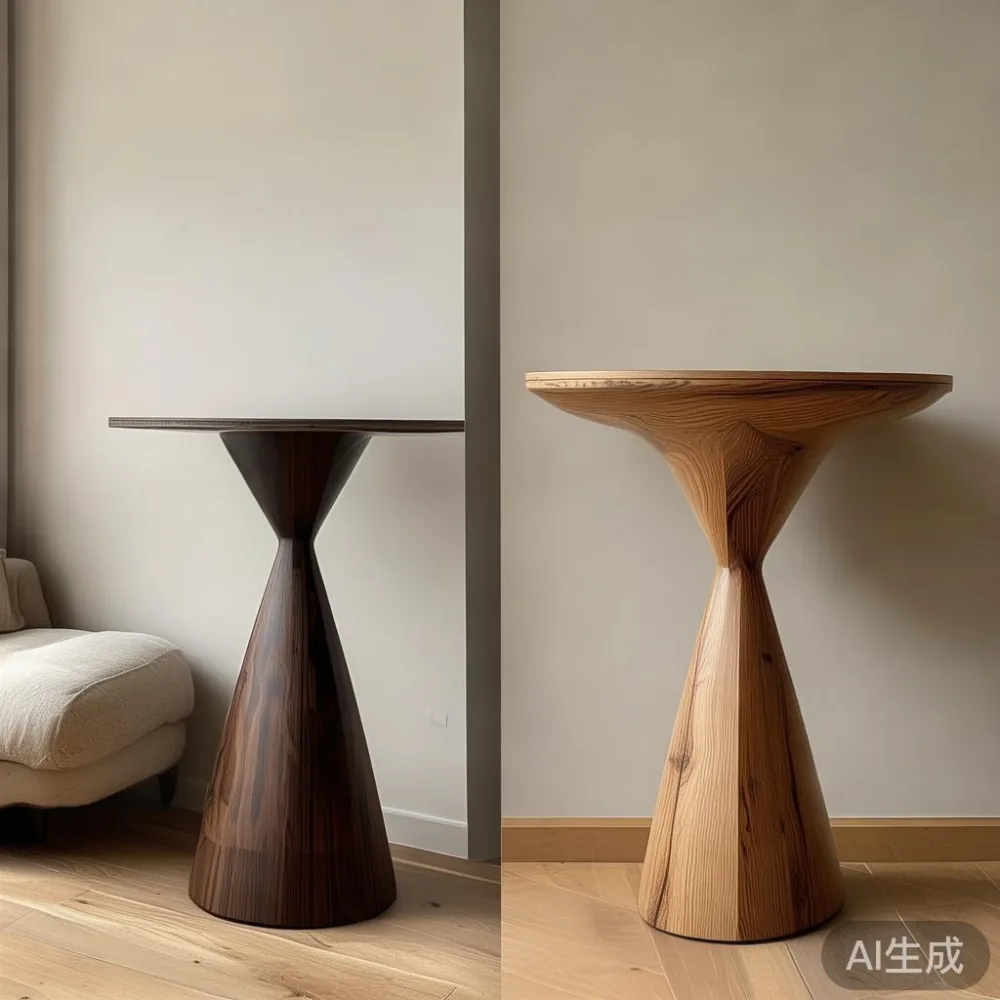
• Solid ash or oak bar table with finger-jointed top: S$1,180–S$1,680
• Solid walnut bar table with book-matched top: S$2,200–S$3,400
• Veneered MDF or particleboard bar table with PVC edge: S$480–S$820
• Marble-top bar table with solid wood base: S$2,800–S$4,500 (kept here only as a reference; it is a different material conversation)
At checkout, the GST 9% adds 9% on top, and delivery from a mainland China supplier via a Singapore consolidator typically runs S$80–S$180 with 25–40 working days, unless the bar table ships from a local warehouse in 3–7 days at S$60–S$120.
Year-by-year: where the money actually leaks out
Year 1. The S$620 veneer bar table looks identical to the S$1,480 solid one on delivery day. Edge banding is intact, colour matches the render. No cost difference yet beyond the upfront S$860 gap. Many buyers spend that saving on two bar stools instead, which is fair.
Year 2. Here is where things shift. In a Punggol condo I visited last month, my client's 18 mm MDF bar table had developed a 12 cm long bubble along the back edge where the veneer had delaminated from the substrate. Humidity did it. A local repair shop quoted S$180 to strip, re-glue and refinish, with no warranty. The solid wood table in the same flat had two shallow cup marks from wet glasses that sanded out in 20 minutes at zero cost.
Year 3. The veneer table typically needs a full re-laminating or replacement of the top. In Singapore, replacing just the top on a modular frame costs S$320–S$520 including labour. Solid wood at this stage needs nothing, or at most a 15-minute oil rub, maybe S$25 of maintenance oil per year.
Year 4. Edge chips on the cheap bar table become structural: water reaches the MDF core, swelling raises the surface by 2–3 mm. The frame (usually hollow steel or thin plywood) starts to creak under load. By this point, 60% of the veneer tables in a small survey of my friends' flats had either been replaced, sent to the curb, or relegated to the storeroom. Replacement cost: another S$620–S$820 for a similar unit.
Year 5. The solid wood bar table, properly maintained, looks slightly better than at delivery. Grain has darkened, colour has settled, minor marks have become character. The owner is still using the same table with no further spend, or has paid roughly S$150 for a professional refinish. In the French light luxury look that is currently popular in Pinnacle@Duxton and D'Leedon renovations, an aged solid top actually reads as intentional patina, not wear.
Where can I buy a dining chair in Singapore?
You can buy a dining chair in Singapore directly from the MIDHILL Singapore showroom on Tai Seng Avenue, from the MIDHILL website with consolidated delivery in 25–40 working days, or from local furniture specialists in Geylang, Joo Seng, and the Alexandra Retail Centre. For bar-height stools (the natural pair to a 90 cm bar table), the same three channels stock American light luxury saddle-leather stools from S$220 each and full solid wood stools from S$160–S$340, while upholstered dining chairs for your separate dining table typically run S$180–S$520 per chair depending on fabric grade.
The hidden costs nobody prices into the brochure
Three line items rarely appear in the comparison sheet but always show up later:
Disposal. A heavy solid wood bar table stays; a swollen MDF bar table goes. In HDB blocks with 1.1 m-wide service lift doors and narrow refuse-chute rooms, you cannot just leave a 35 kg ruined table by the bin. A disposal contractor in Bedok quoted me S$90 to remove one item from a 10th-floor unit. Do that twice in five years and you add S$180 to the veneer path.
Corridor and lift handling. Standard HDB passenger lifts are roughly 1.1 m wide × 1.4 m deep × 2.1 m tall. A 120 cm bar table top, flat-packed or assembled, fits comfortably in solid form when properly crated. A fully assembled MDF table with a bulky frame often needs two trips or partial disassembly, which is why local delivery of the cheap option sometimes ends at S$140 instead of the advertised S$60.
Your time. Replacing a table is not just money. It is two weekends of measuring, one Saturday of showroom visits, dealing with the inevitable 2-week delivery delay, and the small argument with your partner about whether the new colour matches the sofa. Over five years, the solid wood path almost always means fewer of those weekends.
How solid wood holds its value (and veneer does not)
On Carousell and Facebook Marketplace, a five-year-old solid wood bar table in working condition resells for 40–55% of original price. The same vendor will not even list a five-year-old MDF bar table at any price; the moving cost exceeds the salvage value. This is the resale tax on cheap furniture, and it never shows up in the year-one spreadsheet.
For buyers pairing the bar table with a solid wood sofa, bed frame, dining table, wardrobe, or nightstand from a single supplier, the visual coherence is also worth something. A matching American light luxury set — bar table, console, and TV bench in the same ash stain — makes a 65 sqm condo look 15 sqm larger than it is, because nothing fights the eye. Post-modern light luxury pieces with tapered brass-tipped legs read even cleaner against solid tops, since the surface itself becomes the design feature rather than the printed pattern.
When veneer is genuinely the right answer
I am not here to declare war on engineered panels. They have their place:
• Rental units where the landlord will replace everything in three years anyway.
• Temporary setups (BTO before key collection, exhibition booths, sublet rooms).
• Shapes that solid wood cannot hold reliably, such as a 180 cm × 40 cm floating bar counter that needs to be lighter than 12 kg for wall mounting.
Outside those three cases, the math in Singapore's climate almost always favours solid wood by year three.
What to look for on the spec sheet before you swipe the card
Five concrete checks, in this order:
1. Top thickness. 25–30 mm minimum for solid wood; 18 mm is the bare floor for any bar table that will hold a laptop and a dinner plate at the same time.
2. Joinery. Finger joints or mortise-and-tenon at the frame, not staples or pocket screws alone.
3. Finish. Hardwax oil penetrates and is repairable; polyurethane seals but scratches white and cannot be spot-fixed. Hardwax suits Singapore humidity better because it lets the wood breathe.
4. Warranty wording. Look for 10-year structural coverage on frames and joints, lifetime refinishing access, and 14-day return on stock items. Free shipping above a clear SGD threshold (commonly US$350 / roughly S$475) is a good sign of a confident supplier.
5. Replacement parts. Can you order a single stretcher bar in year four? Can the top be unscrewed and shipped separately if you move to a smaller place? A modular bar table that survives one move will outlive one that does not.
Why brands like MIDHILL quietly win this comparison
Established Foshan makers with 15+ years of export volume (MIDHILL has been exporting since 2008) tend to price solid wood aggressively because they cut their own timber, kiln-dry on site, and ship container loads direct to Singapore consolidators. That factory-to-door model is the reason a 120 cm solid ash bar table lands in a Tampines flat at S$1,480 instead of the S$2,400 a local boutique would charge for the same thickness and grade. The 10-year structural warranty and lifetime refinishing policy are not marketing fluff either — they only make financial sense when the underlying product genuinely lasts that long, which engineered-veneer tables cannot.
Putting it all together: a realistic five-year ledger
For one 120 cm solid ash bar table in a Singapore HDB or condo, delivered, taxes in, maintained:
• Upfront purchase, GST 9%, delivery: S$1,690
• Years 1–5 annual oil maintenance: S$25 × 5 = S$125
• Year 5 professional refinish (optional): S$150
• Resale value recovered: roughly S$700
• Real five-year net cost: about S$1,265.
For the veneer alternative:
• Upfront purchase, GST, delivery: S$770
• Year 2 veneer repair: S$180
• Year 4 top replacement or full table replacement: S$520
• Two disposal trips (year 2 and year 4): S$180
• Resale value: S$0
• Real five-year net cost: about S$1,650.
That is a S$385 swing in favour of solid wood, even before counting the lost weekends and the matching bedroom set, dining table, wardrobe, nightstand, and solid wood sofa you can buy from the same maker in coordinated finishes. A French coffee table dubai client ordering the same line would actually pay a touch more than the Singapore landed price, which makes the local offer look even sharper.
My honest recommendation for a Singapore buyer today
If your bar table is going into a home you plan to stay in for at least four years, and you will use it more than four times a week, buy solid wood in a thickness and species you actually like the look of. Pay the S$860 extra upfront. The first glass of red wine that misses the coaster and wipes clean off hardwax oil will feel like a small victory every time. If your situation is short-term, rental, or experimental, a well-built veneer unit from a brand with a real warranty is a defensible purchase — just do not pretend it is the same product.
One last thing: whatever you choose, measure your corridor turn (typical HDB minimum is 90 cm at the tightest), confirm the lift dimensions in your block, and write the bar table dimensions into the delivery note. In Singapore, the furniture that survives the first 20 minutes after delivery is the furniture you will still be using in 2030.